
Meta description: Discover how miniature boss figures enhance tabletop RPG encounters, build exciting boss battles with dice, choose compatible miniatures, and care for your collection.
1. What Is a Miniature Boss?
A miniature boss is a small-scale model representing a major enemy, powerful creature, or challenging opponent in a tabletop game. Common examples include dragons, demons, giant monsters, armored villains, and powerful spellcasters.
Miniature boss figures are popular among Dungeons & Dragons players, tabletop role-playing game enthusiasts, skirmish gamers, and miniature collectors. They provide a visible focal point for important encounters and can make an imaginary threat feel more tangible.
A miniature boss does not have to be a particular size, material, or sculpting style. Depending on the game and manufacturer, models may be sold assembled or unassembled, painted or unpainted, and with or without a display base.
Before purchasing a figure, check the actual product description for dimensions, material, assembly requirements, included accessories, and compatibility with your game.

2. Why Miniature Boss Figures Make Encounters More Engaging
A major encounter often needs more visual presence than an ordinary combat scene. A distinctive miniature helps communicate that the players are facing an unusual threat.
Create a visual centerpiece
A dragon with spread wings, a towering armored warrior, or a creature surrounded by sculpted terrain can immediately attract attention. Even a relatively simple model can become memorable when placed thoughtfully on the battlefield.
Make positioning easier to follow
Miniatures can help players and Dungeon Masters understand relative positions, obstacles, and movement. When combined with a battle map, they provide a shared visual reference for the encounter.
The exact rules for movement, reach, line of sight, and occupied space depend on the game and edition. A miniature's physical dimensions do not automatically establish its rules footprint.
Build memorable storytelling moments
A boss figure can signal a change in the narrative. Placing the miniature on the table at the beginning of a climactic scene can create anticipation before the first initiative roll.
Lighting, terrain, music, and descriptive narration can add atmosphere without requiring expensive accessories.
3. How to Design an Exciting Boss Battle With Dice
Boss battles work best when the encounter gives players meaningful decisions, not simply a large pool of enemy hit points.
The following ideas are system-neutral encounter-design suggestions. They are not universal rules for D&D or any other game.

Give the boss a clear identity
Choose a defining characteristic for the encounter: a heavily armored guardian, a mobile dragon, a summoner, or a monster that controls the battlefield.
The miniature can reinforce this identity visually. A winged creature might inspire a battlefield with elevated terrain, while an armored boss might suggest a defensive encounter with several ways to break through its protection.
Use dice to resolve meaningful uncertainty
Dice can determine attacks, damage, saving throws, random events, or other uncertain outcomes according to the rules of your game.
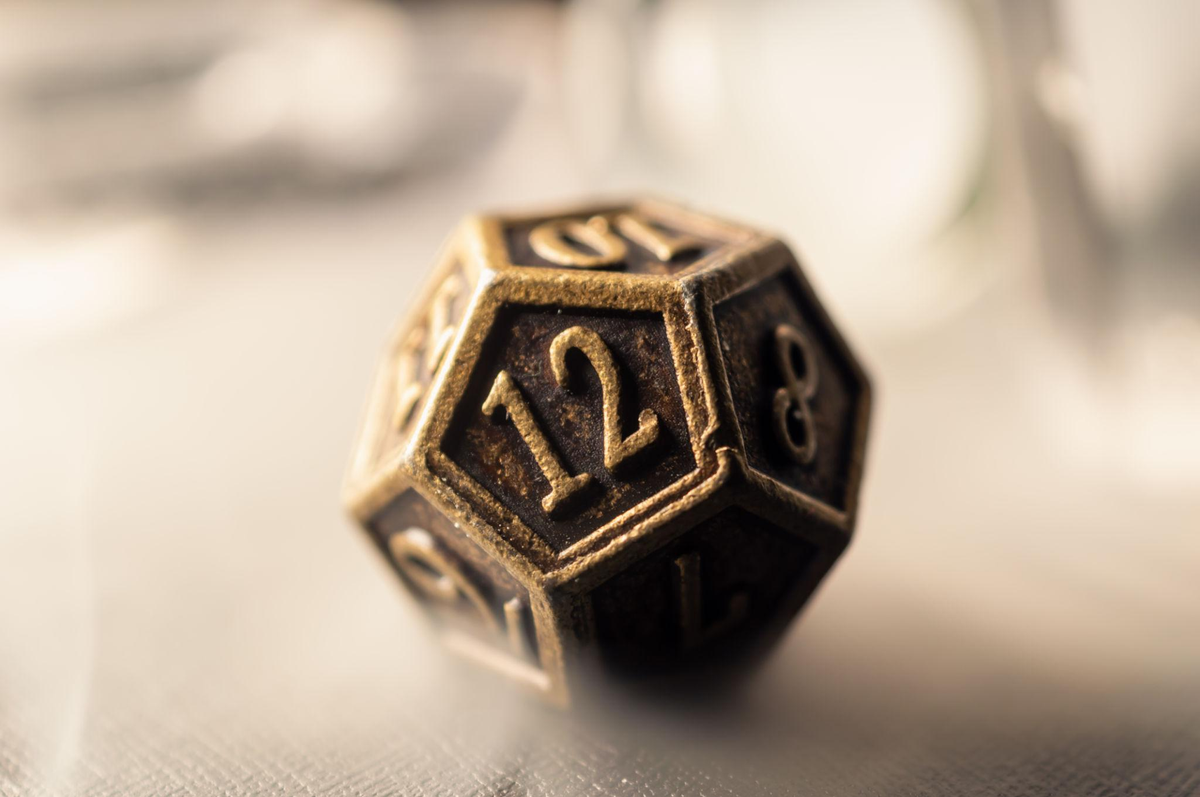
If you want to introduce a custom boss mechanic, make sure players understand what triggers it and how its result is determined. For example, a homebrew encounter could use a D12 to select one of twelve environmental events, provided the group agrees to that procedure.
A D4, D6, D8, D10, D12, or D20 can all be useful in a custom system. Choose the die according to the intended probability distribution rather than selecting one solely for its appearance.
Create changing encounter phases
A multi-phase boss encounter can change as the battle progresses. A monster might summon reinforcements, alter the terrain, or switch tactics after a narrative milestone.
In a custom design, a phase change might be triggered by a defined event, a hit-point threshold, or a specific round. The precise trigger should be stated in the encounter notes rather than assumed to be part of the game's standard rules.
Offer more than one solution
Interesting boss fights reward observation and teamwork. Include opportunities to exploit terrain, interrupt an ability, protect an ally, or pursue an objective beyond dealing damage.
These alternatives give different characters room to contribute and help prevent every turn from becoming the same sequence of attacks.
4. Pairing Dice With Miniature Boss Figures
Dice and miniatures serve different purposes, but they can work together to create a coherent gaming setup.
Match the visual theme
You might pair a dragon miniature with fiery-colored dice, an undead boss with cool or muted tones, or a magical guardian with bright, contrasting colors.
These are aesthetic choices, not gameplay requirements. The most important practical consideration is that the numbers on your dice remain readable.
Keep frequently used dice accessible
A boss encounter may involve several different rolls. Keep the dice you use most often within easy reach, while leaving enough space for miniatures, character sheets, cards, and other components.
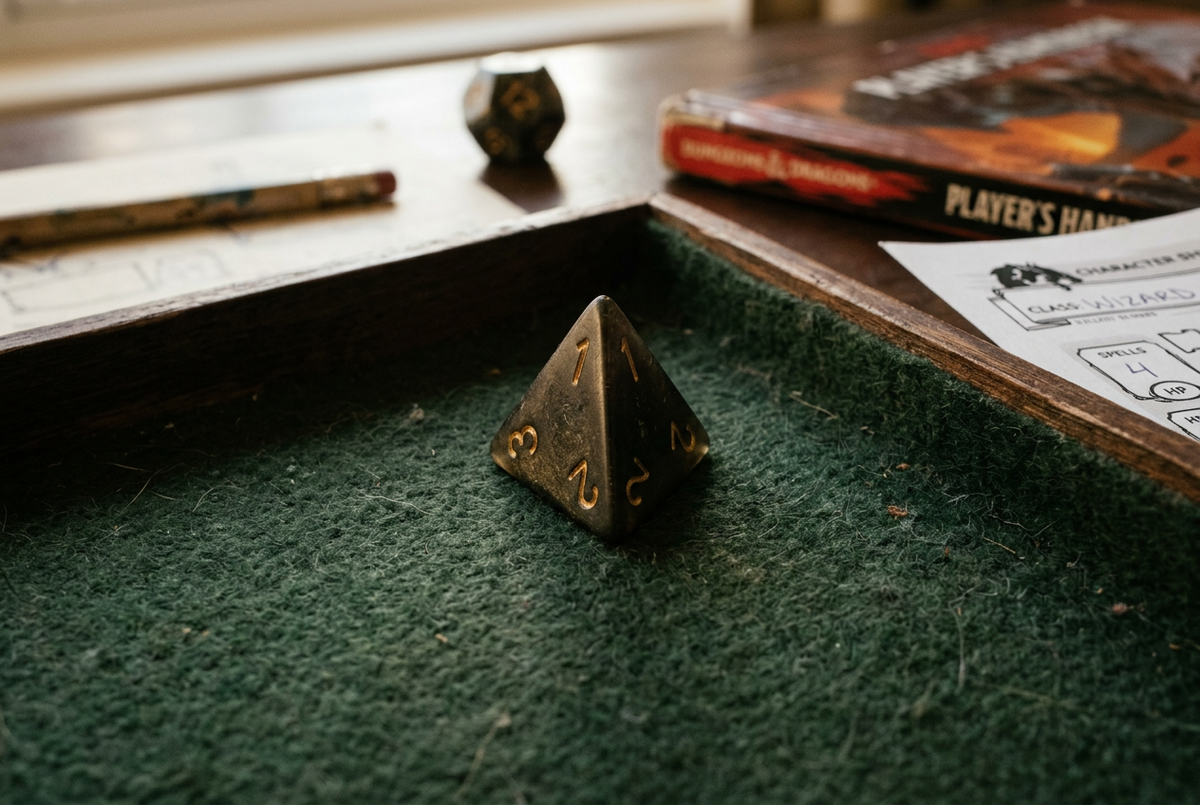
A dice tray can help contain rolls and keep dice from knocking over nearby figures. This is particularly useful when the boss miniature has extended wings, weapons, or other delicate features.
Coordinate the base and battlefield
Consider the miniature's base when planning the battle map. A broad base may require more space than a smaller figure, while a tall sculpt may need clearance from overhead shelves, scenery, or other stored models.
Check the game's rules for the appropriate footprint and placement. Visual size and rules size are not always identical.
5. Choosing a Miniature Boss for Your Collection
Before buying a miniature boss, think about how you plan to use it.
For tabletop play
Prioritize stability, practical placement, visibility, and compatibility with your game. A model that looks impressive in a product photograph may require more table space than expected.
Check the stated dimensions, base information, assembly instructions, and any handling recommendations.
For painting and hobby projects
Unpainted miniatures can provide a creative project for hobbyists. Before applying paint, confirm which preparation methods and paint types are suitable for the model's material.
Some models require assembly or surface preparation, while others arrive ready to use. Follow the manufacturer's instructions rather than assuming that every miniature uses the same process.
For display and collecting
Collectors may prioritize sculpt detail, pose, visual theme, and how a model fits into an existing collection.
A display miniature can also serve as an encounter centerpiece, but check whether its base, pose, or construction makes it suitable for repeated handling during play.

Explore a personalized model
If you have a particular character or boss concept in mind, explore Bear Dice's custom personalized 3D models. Review the product page for available options and confirm whether your planned design, dimensions, and intended tabletop use can be accommodated before ordering.
Before completing a purchase
Review the product listing for:
Model dimensions and base size, when provided.
Material and whether the model is painted.
Assembly requirements and included components.
Intended use, age guidance, and handling instructions.
Compatibility with the rules or tabletop system you play.
Do not infer a miniature's exact scale, material, or durability from its appearance alone.
6. Displaying and Storing Miniature Boss Figures
Miniature bosses often have delicate details such as horns, swords, wings, tails, or thin protruding elements. Good storage protects these features while keeping the collection accessible.
Choose a stable display location
Use a level shelf or display cabinet away from busy walkways and unstable surfaces. Leave enough room around tall or wide figures to avoid accidental contact.
If sunlight reaches the display area, consider reducing prolonged direct exposure, particularly for painted models or materials that may be sensitive to light.
Protect miniatures during transport
Use a suitably sized miniature case or a container with protective compartments. Foam, purpose-designed inserts, or other nonabrasive supports can help prevent figures from shifting.
Avoid forcing delicate parts into tight spaces. A model's wingspan or weapon position may require a larger compartment than its base alone suggests.
Keep dust under control
Remove dust gently with a soft brush. Pay attention to recessed details, textured bases, and areas beneath wings or other overhanging parts.
For painted models, avoid aggressive rubbing and unapproved cleaning chemicals. If a model has fragile components or an unfamiliar finish, check the manufacturer's care guidance.
7. Caring for Dice and Miniatures Together
A combined dice-and-miniature setup needs slightly different storage considerations from a dice-only collection.
Dice may move around inside a container and strike delicate model parts if stored together without separation. Keep them in dedicated compartments, separate pouches, or a divided case.

For routine maintenance:
Inspect dice and models for dust, loose parts, and visible damage.
Clean dice with methods appropriate for their specific materials and finishes.
Dust miniatures gently with a soft brush.
Store painted or fragile models so that protruding details are not under pressure.
Keep all accessories in a dry, organized location suited to the manufacturer's recommendations.
If a miniature has a loose part or a damaged base, avoid repeated handling until the issue has been assessed. Use a repair method appropriate for the model's material.
8. Frequently Asked Questions
What is a miniature boss in tabletop gaming?
A miniature boss is a model representing a major enemy or powerful opponent in a tabletop game. It often serves as the visual centerpiece of an important encounter.
Do I need a miniature boss to run a D&D boss fight?
No. D&D encounters can be run with miniatures, tokens, maps, or theater-of-the-mind descriptions. A miniature is an optional visual aid, and its use depends on the group's preferences and rules.
Which dice should I use for a boss battle?
Use the dice specified by your game's rules. Many tabletop RPGs use several polyhedral dice for different mechanics. Custom encounters can use other dice when the group agrees on the procedure and understands the probabilities.
How do I make a boss battle more interesting?
Give the boss a distinctive identity, introduce meaningful terrain or objectives, vary its tactics, and provide opportunities for teamwork. Balance the encounter for your group's characters and the rules system you are using.
Can I use any miniature boss in Dungeons & Dragons?
A miniature can often serve as a visual representation of a creature, but its size, base, and appearance may not match the game's official representation. Check the relevant rules and ensure that everyone understands how the figure is being used.
How should I store miniature boss figures?
Use a stable display area for long-term viewing and a suitably sized protective case for transport. Keep delicate details from pressing against foam, other miniatures, or loose accessories.
Can I clean painted miniatures with water?
Do not assume that water is safe for every model. Cleaning depends on the model's material, paint, finish, and construction. Start with gentle dust removal and follow the manufacturer's recommendations.
Can dice be stored in the same case as miniatures?
Yes, if the case has separate compartments that prevent dice from moving into the figures. Keeping dice and models separated helps reduce accidental impacts and scratches.
9. Final Thoughts
Miniature boss figures and tabletop dice can transform a routine encounter into a memorable gaming experience. The miniature provides a visual focal point, while dice help resolve uncertain outcomes and support the mechanics of your chosen game.
By choosing compatible models, planning meaningful boss encounters, and storing your accessories carefully, you can create a tabletop setup that works for both game night and long-term collecting.