
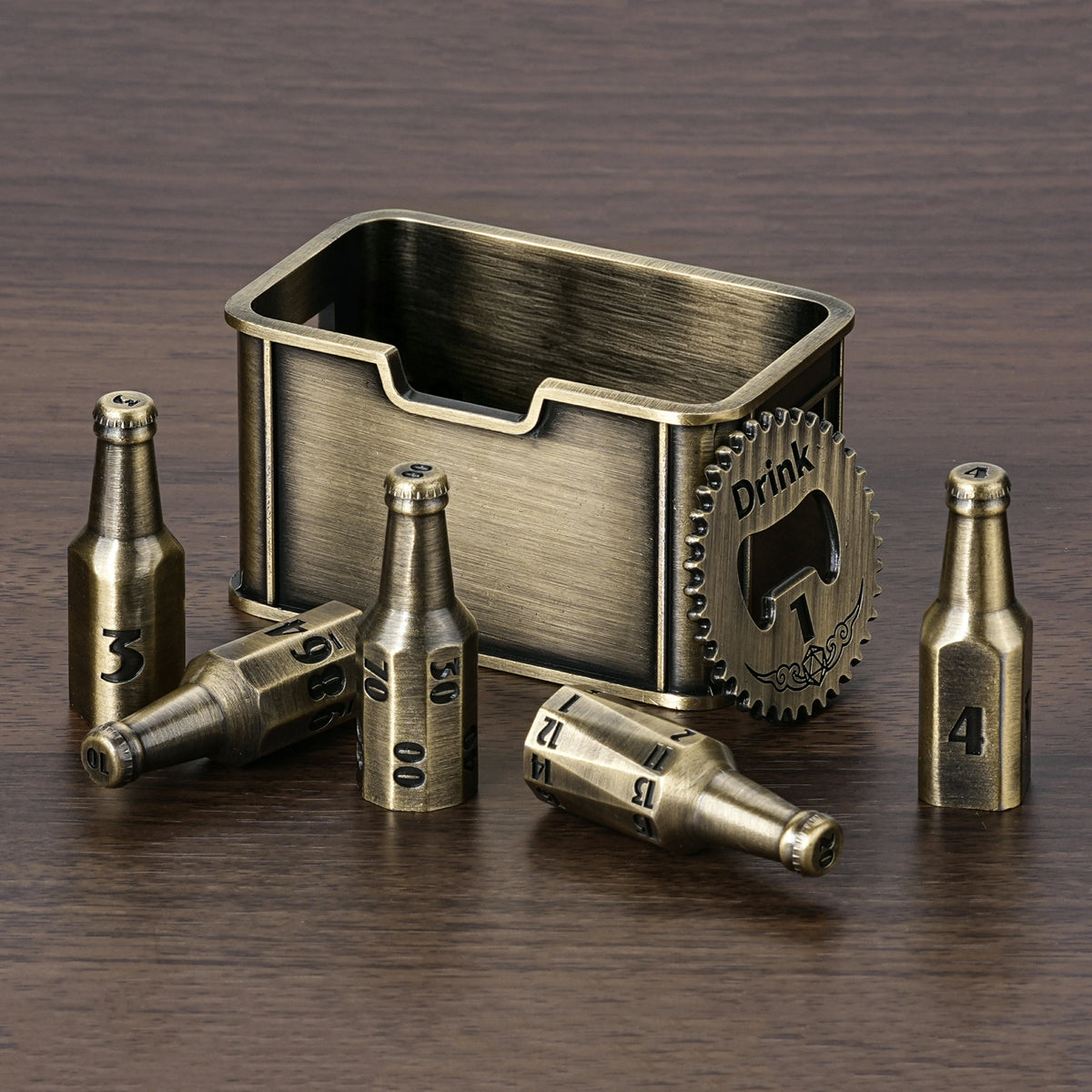
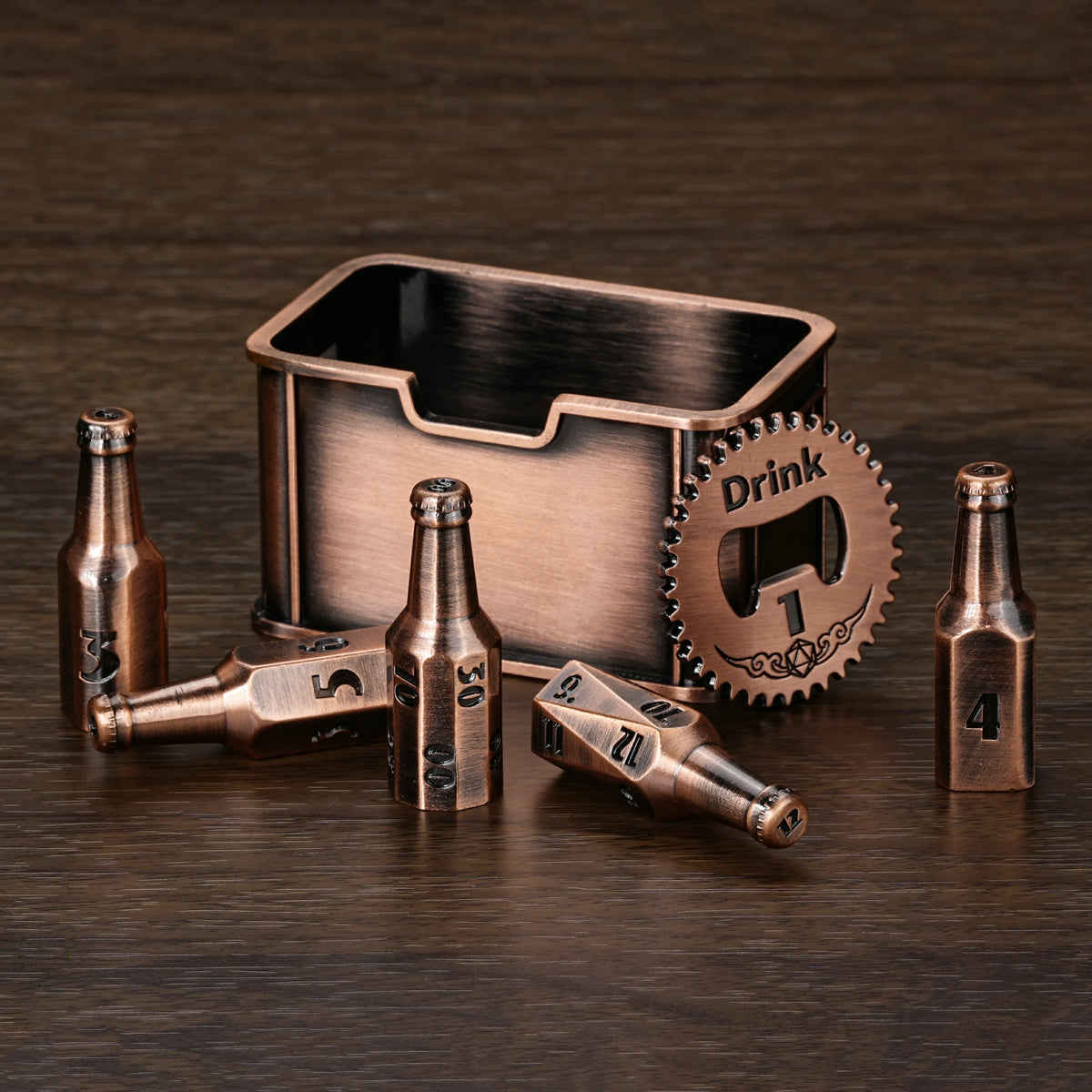
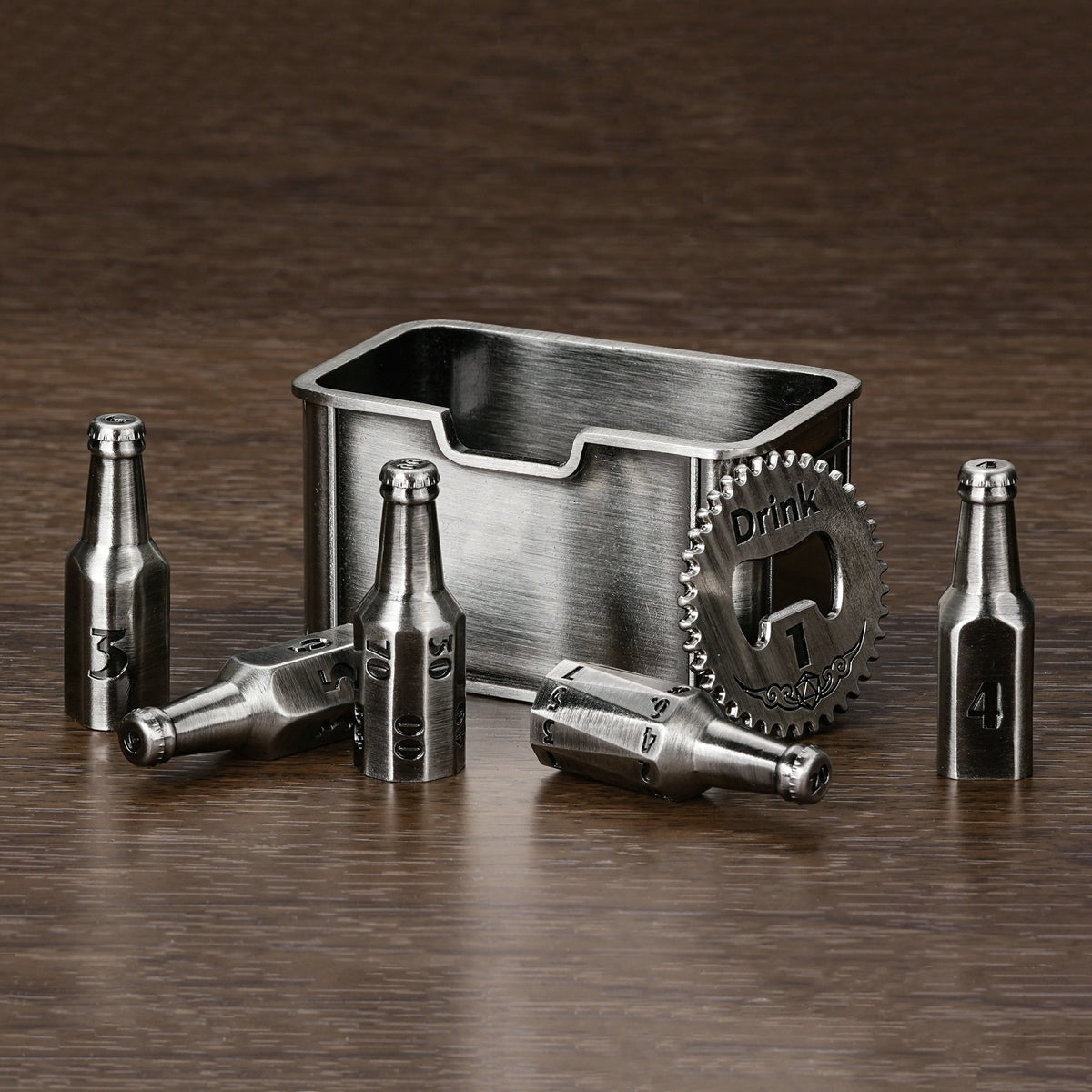
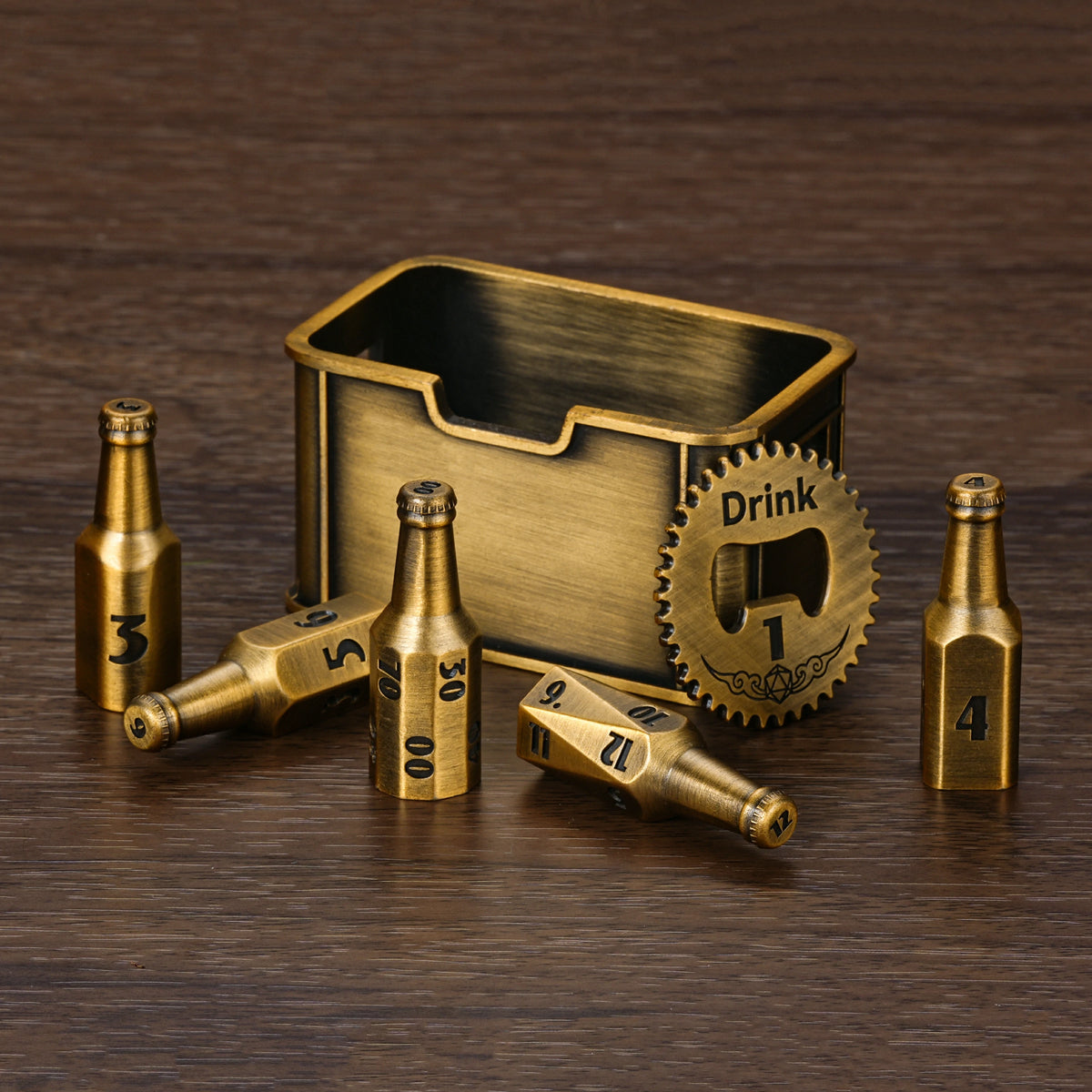


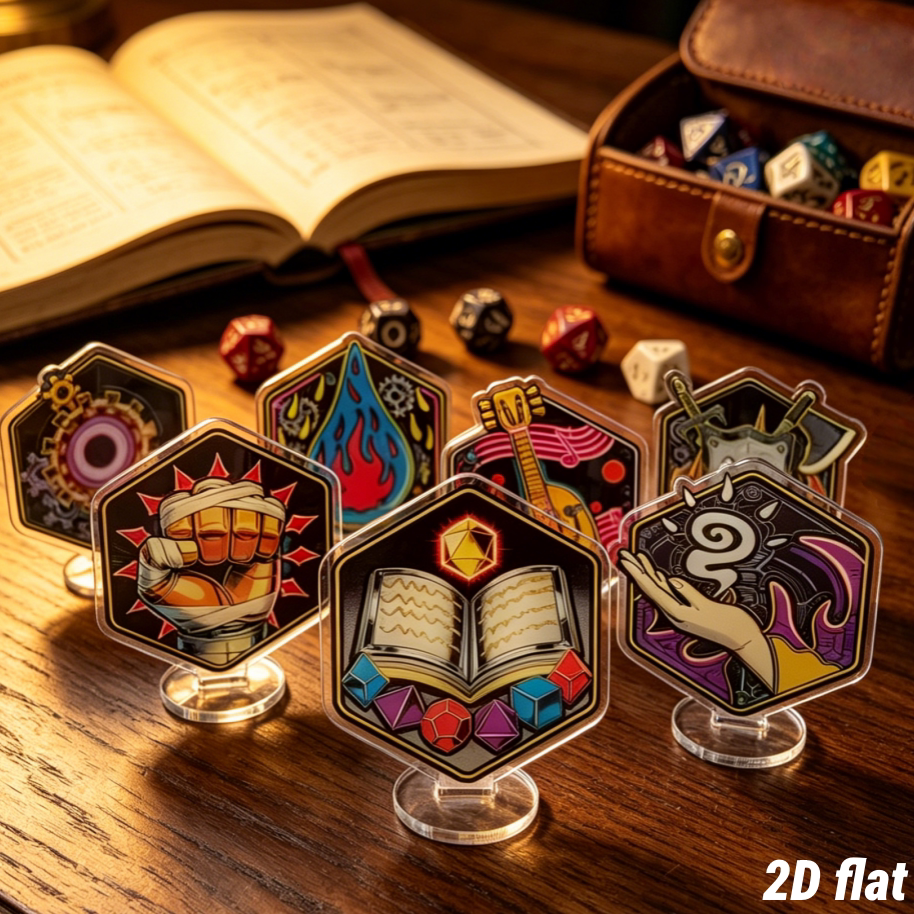
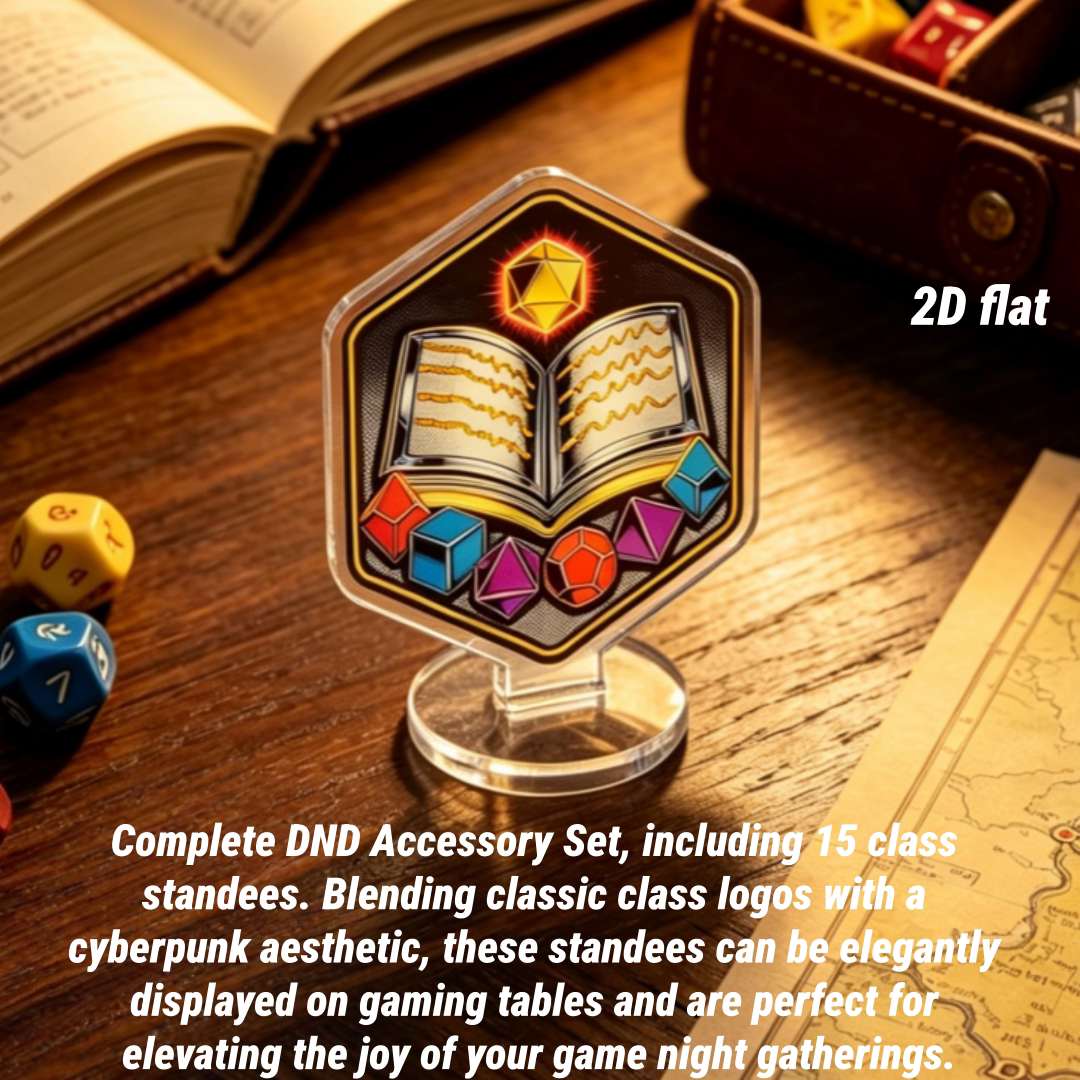
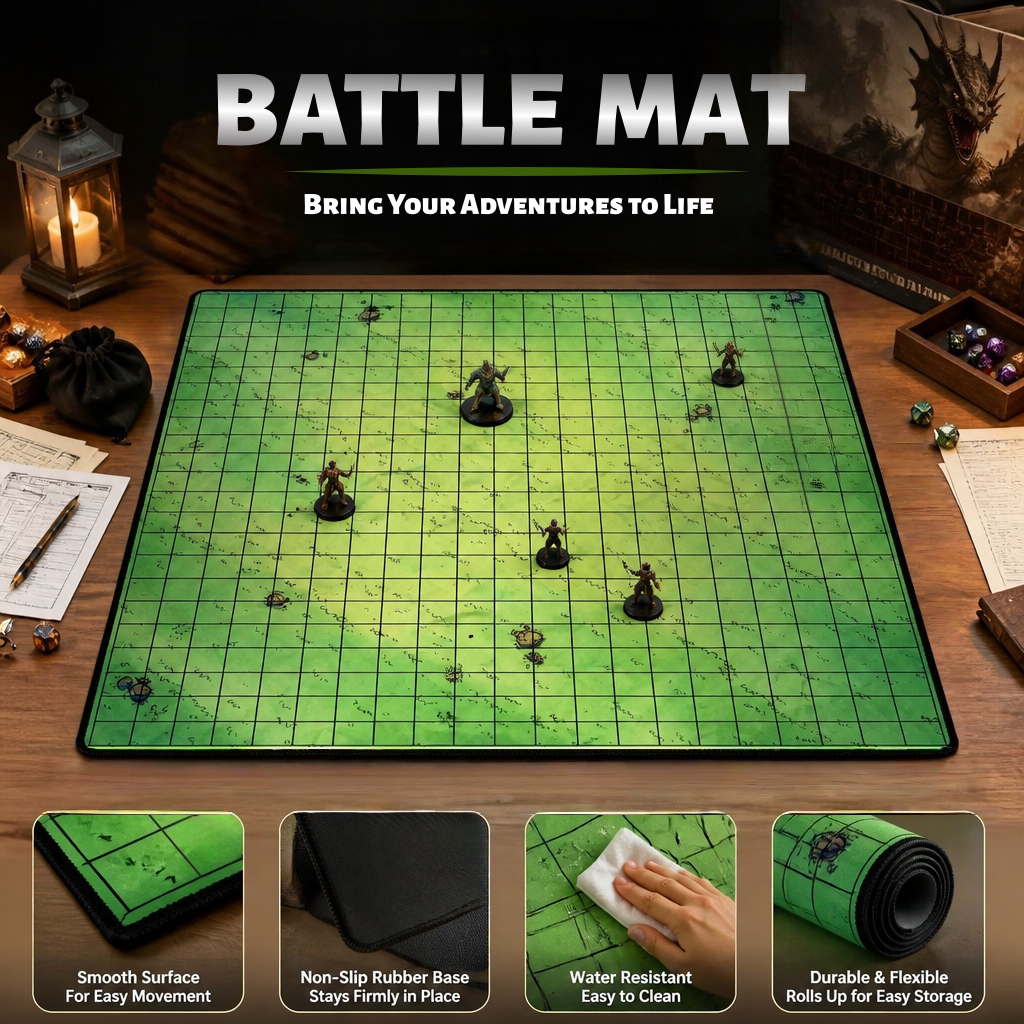
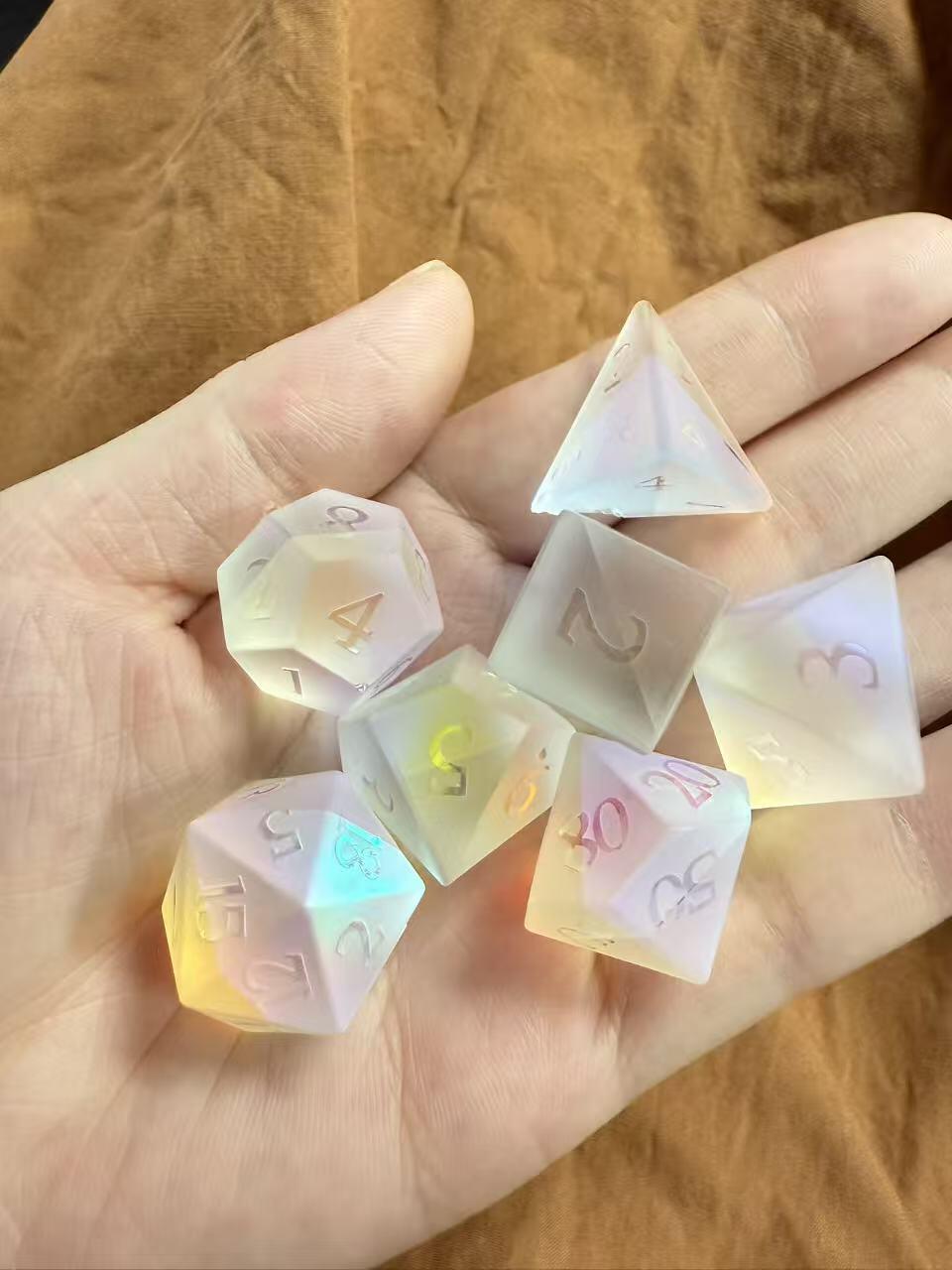
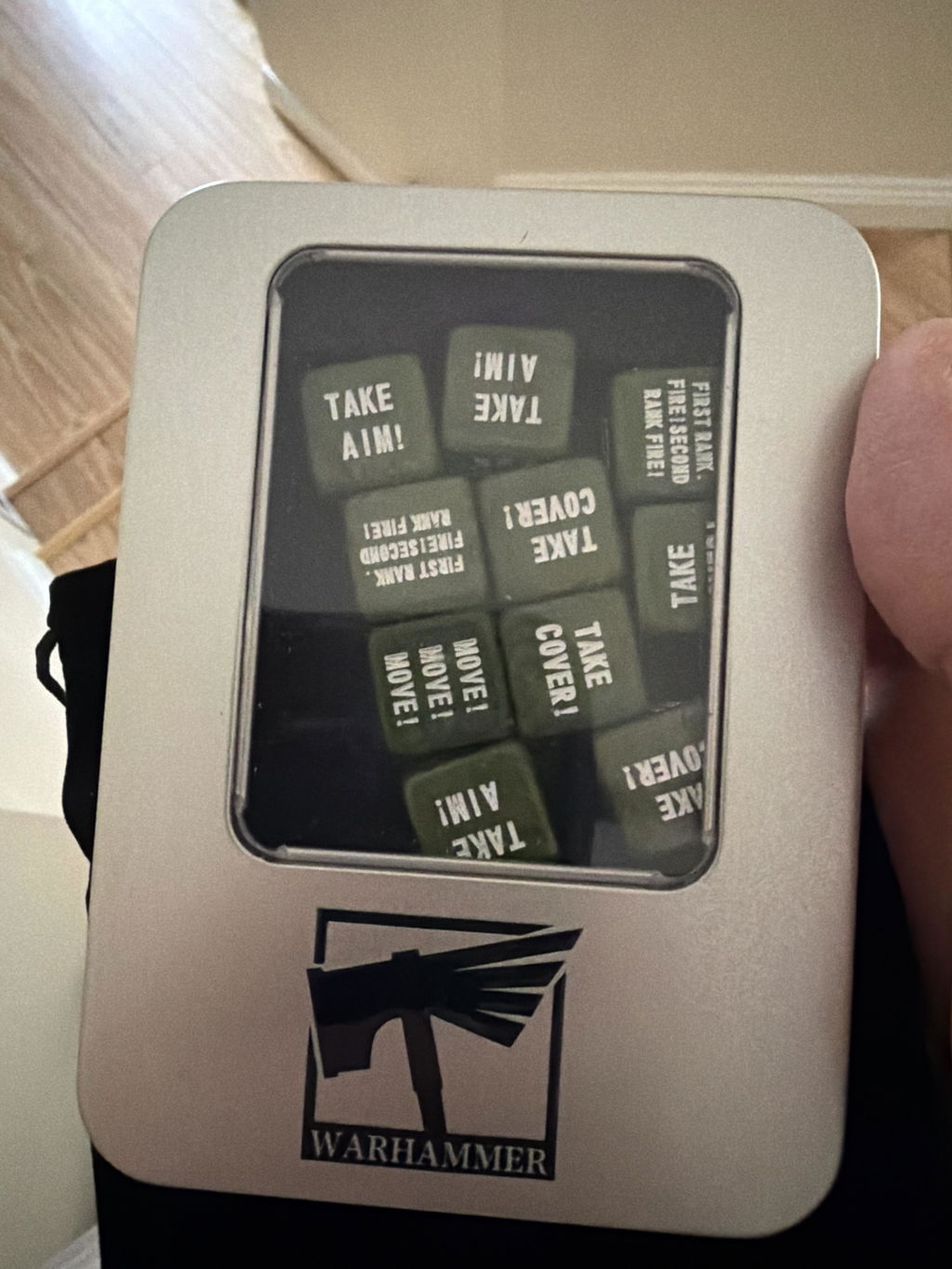
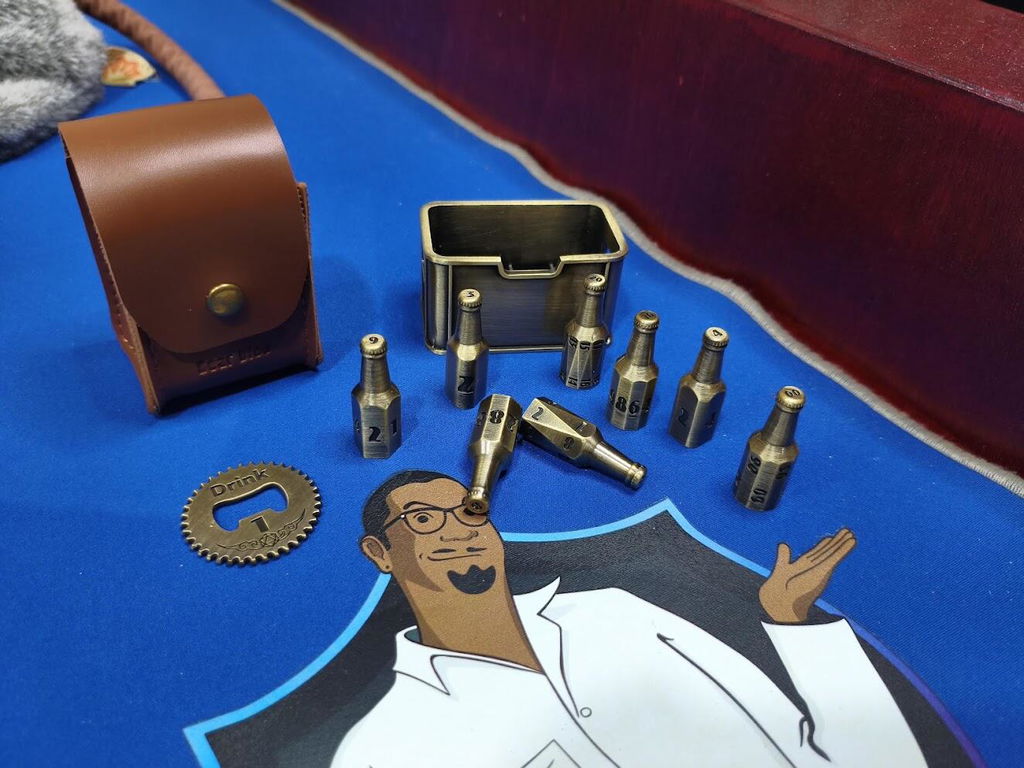
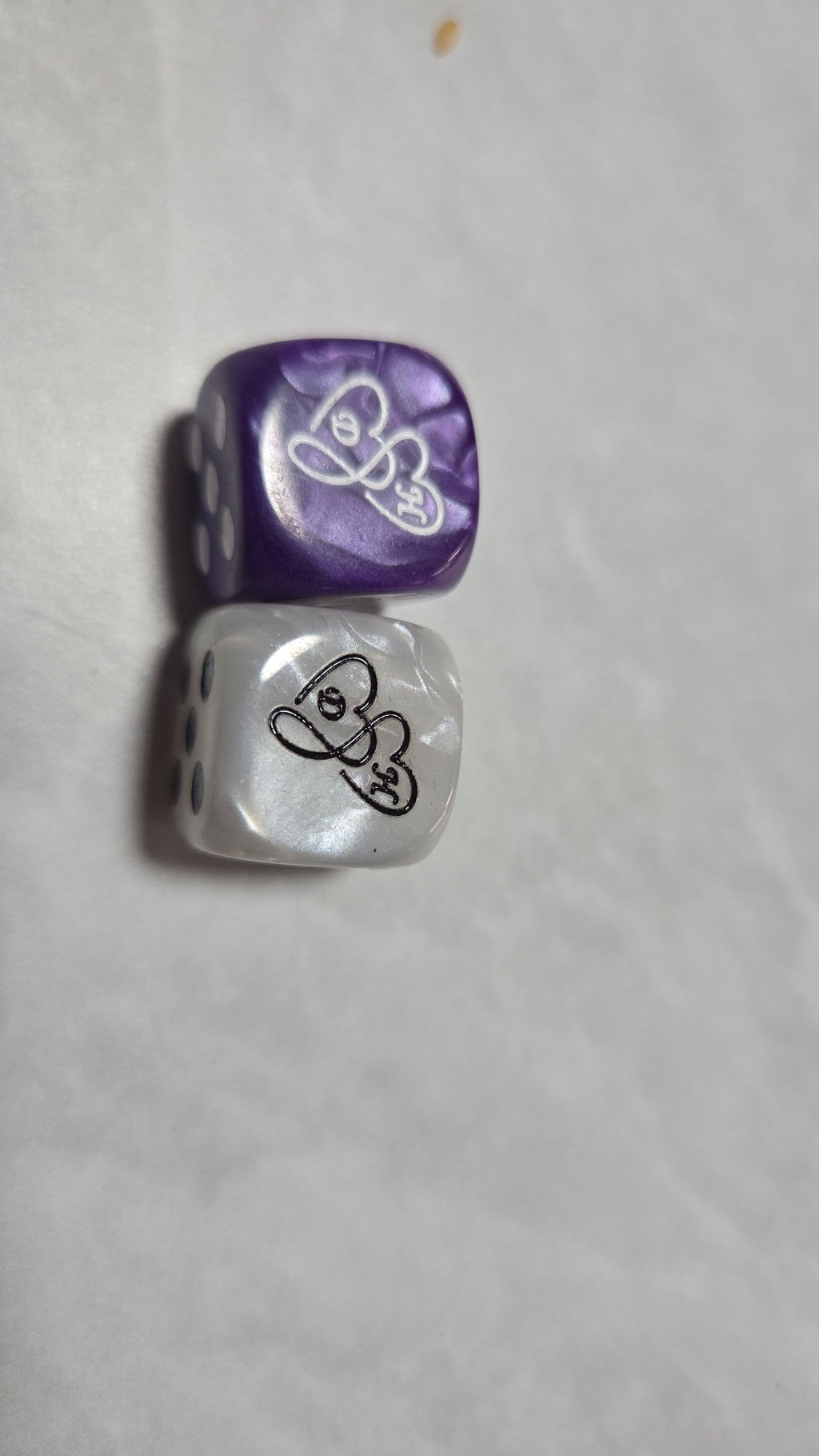
Welcome to BEARDICE.COM, an online store for unique D&D dice sets

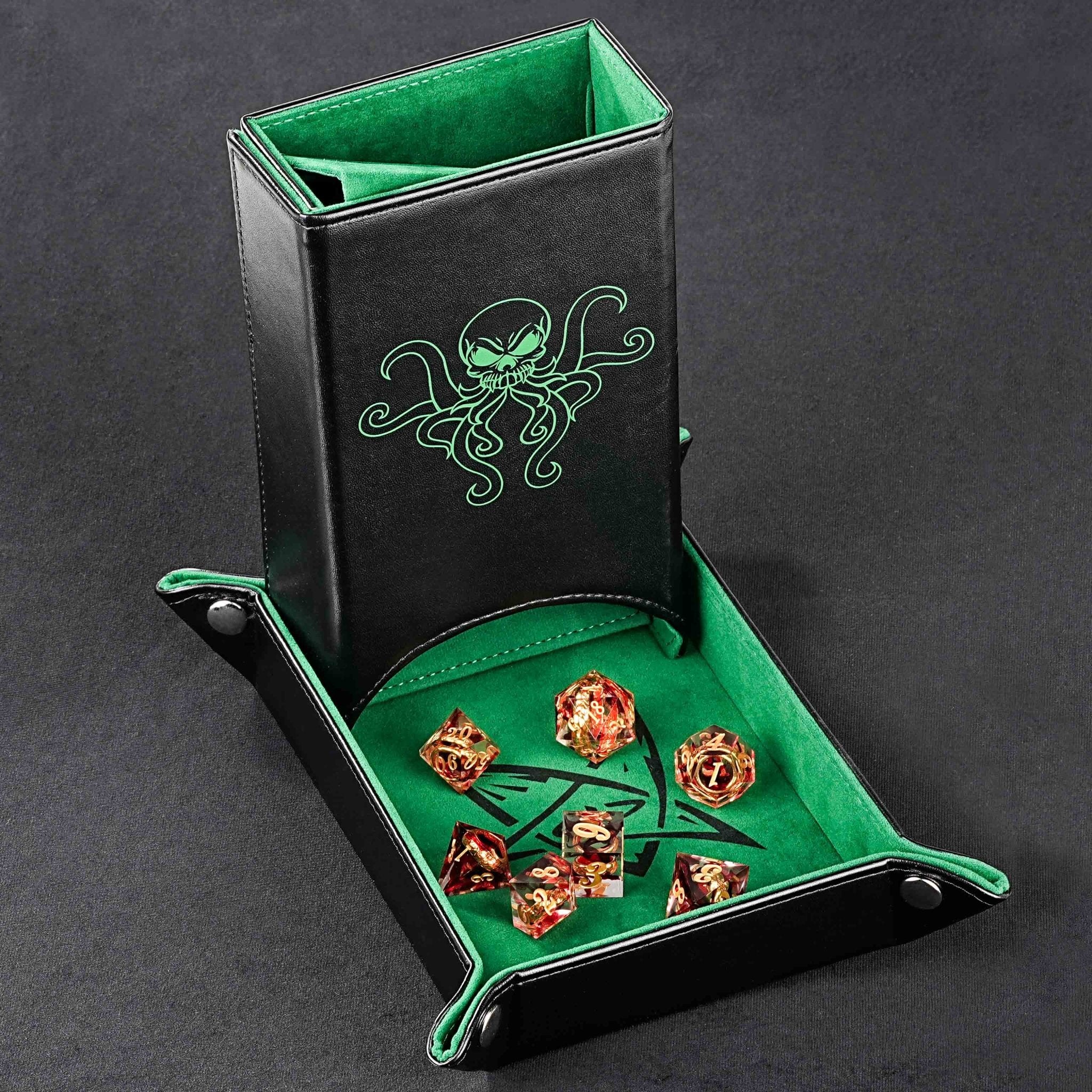
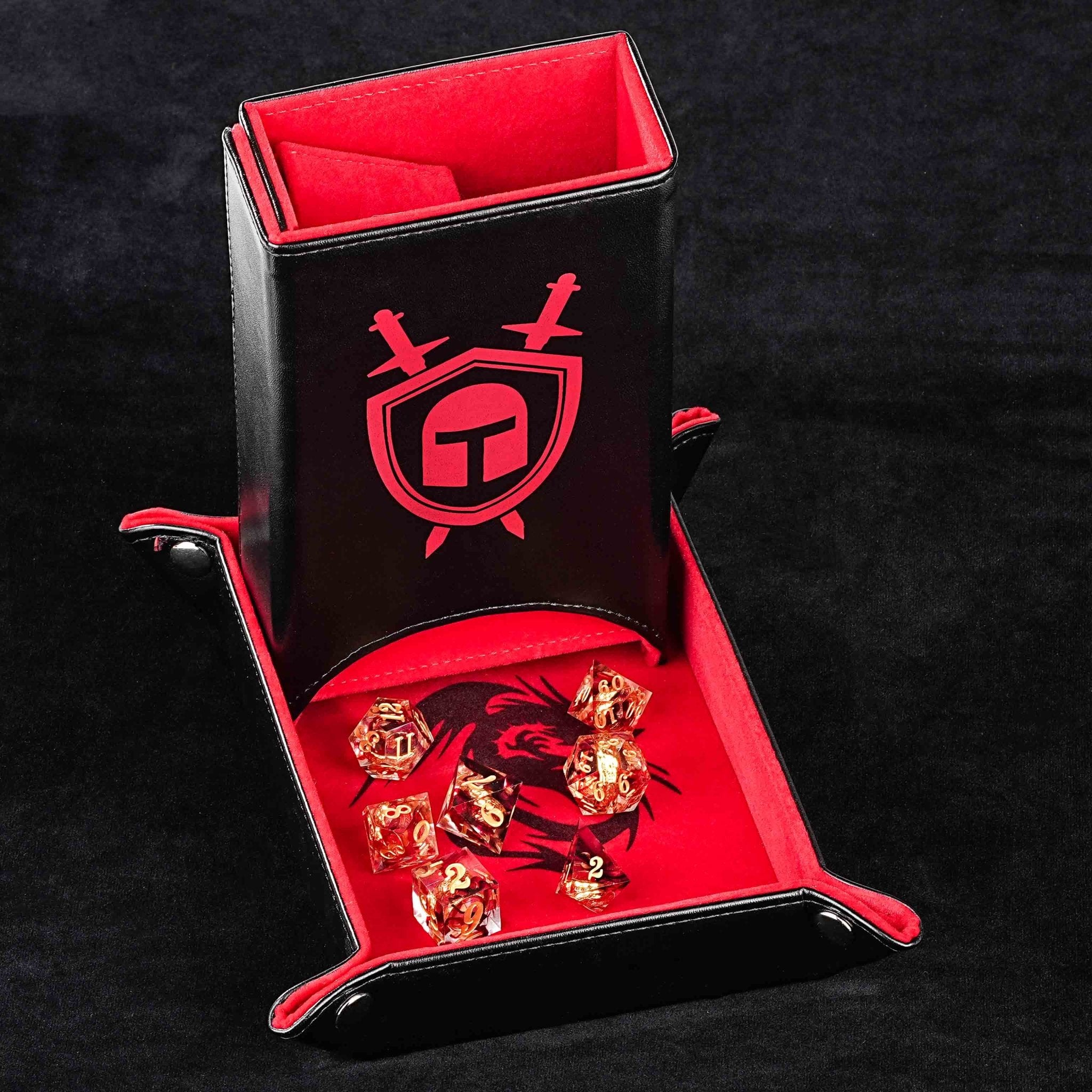
Bear Dice offers unique D&D dice sets, beautiful D&D dice towers, practical dice bags, lifelike TRPG miniatures and accessories. Free online dice rollers are available. Whether you are a brave human warrior, a witty half-elf ranger, a clever gnome bard, a wild orc barbarian or a mysterious dragonborn warlock, you can find a Dungeons & Dragons dice set that suits your character at Bear Dice.

We also offer custom dice services – pick from gemstones, resin, metal, wood, and design your own DND dice.

Kickstarter DND Dice Collection

Crowdfunded by tabletop gamers worldwide, explore spinning DND dice, metal dice sets, and collectible RPG dice crafted for immersive adventures.

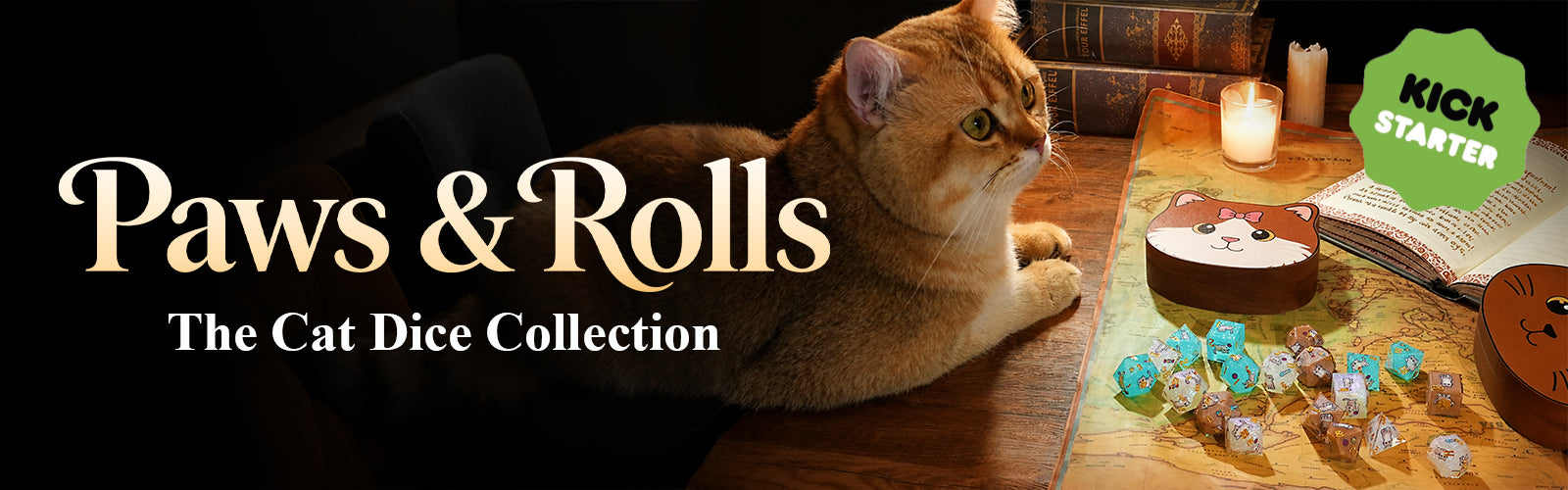
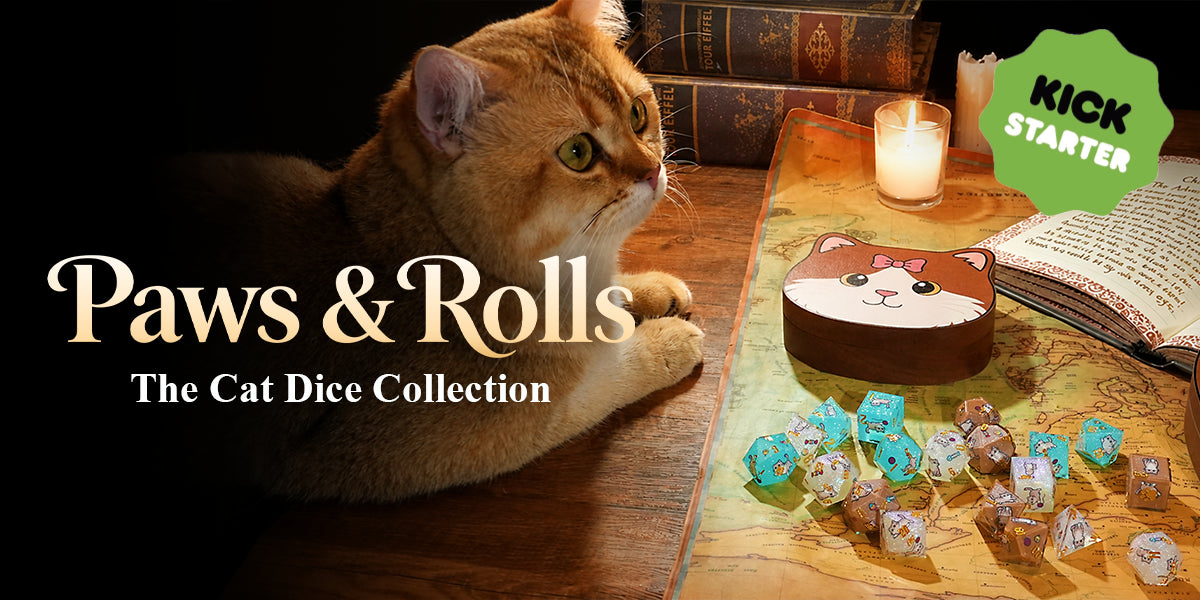
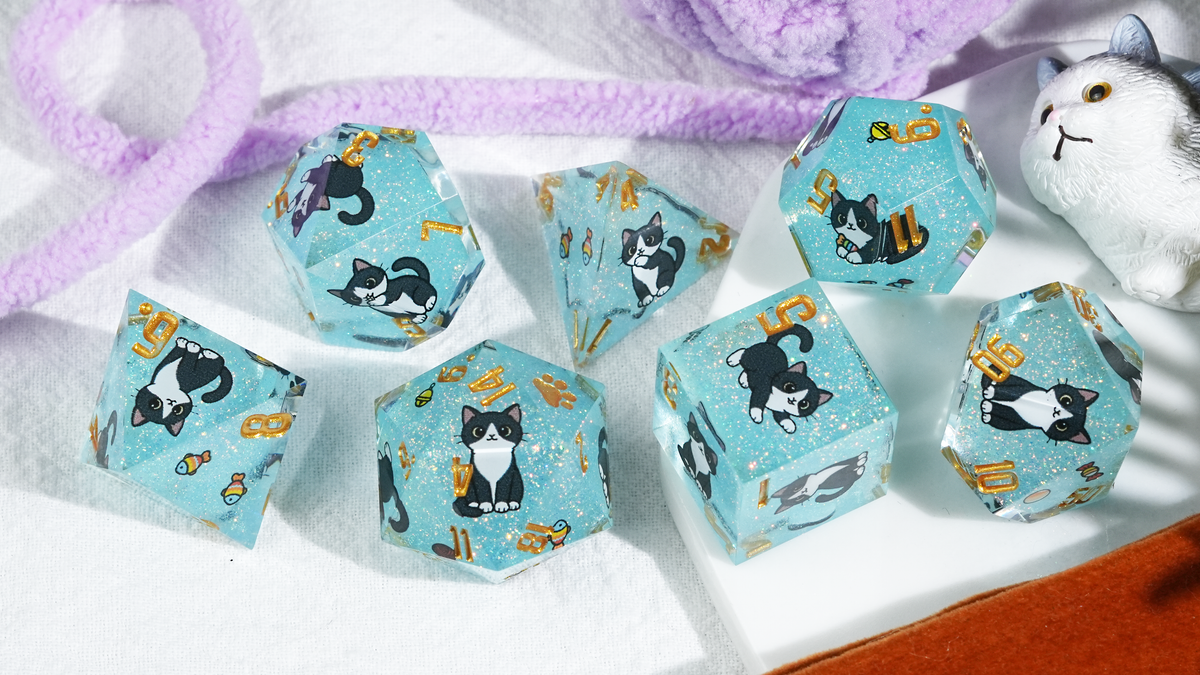
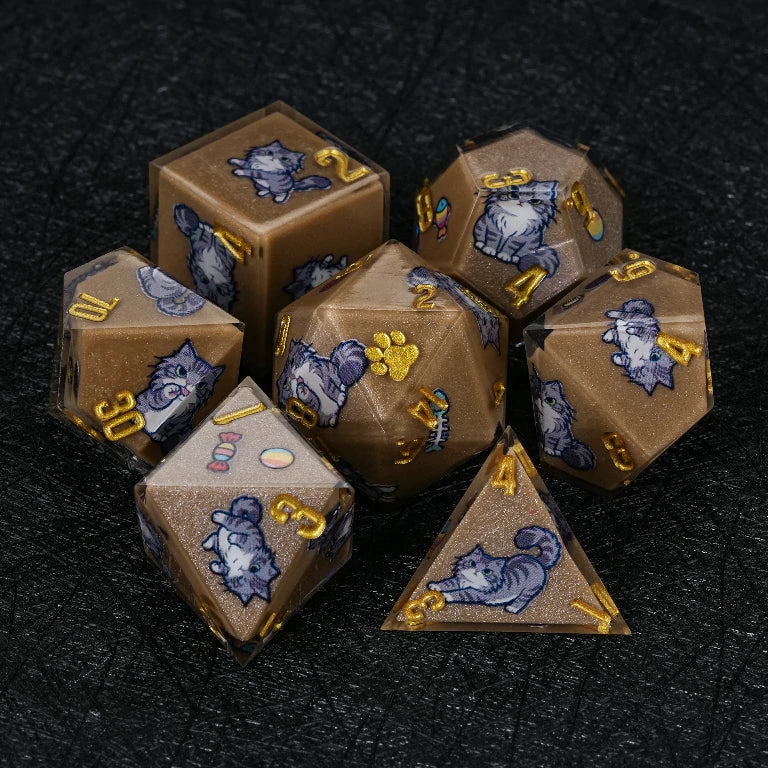
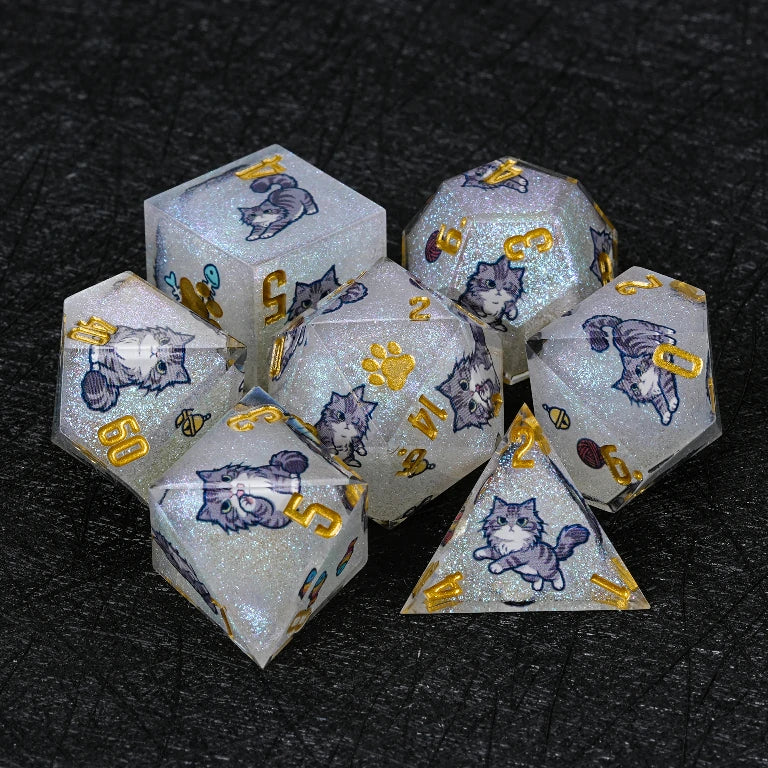
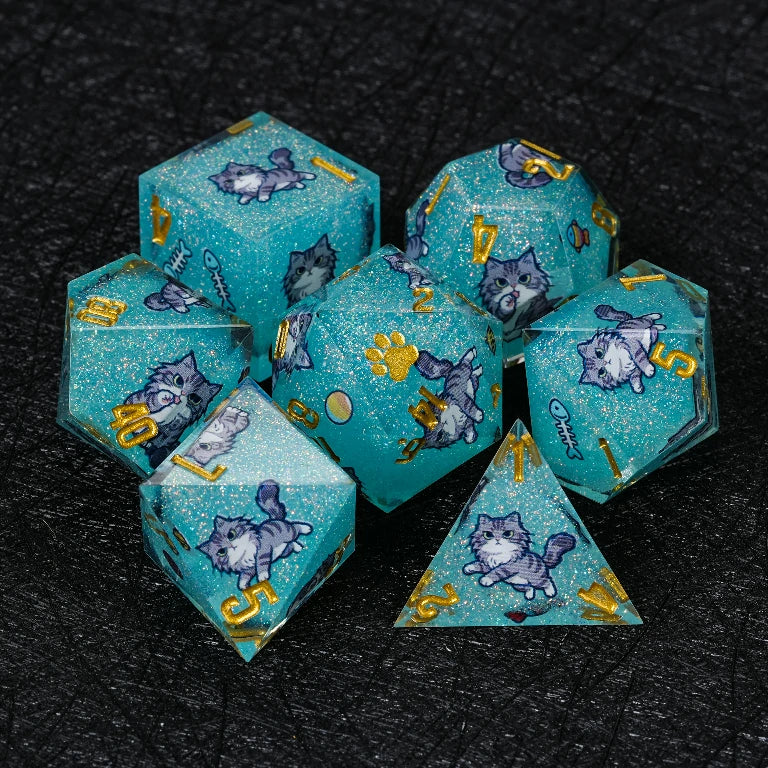
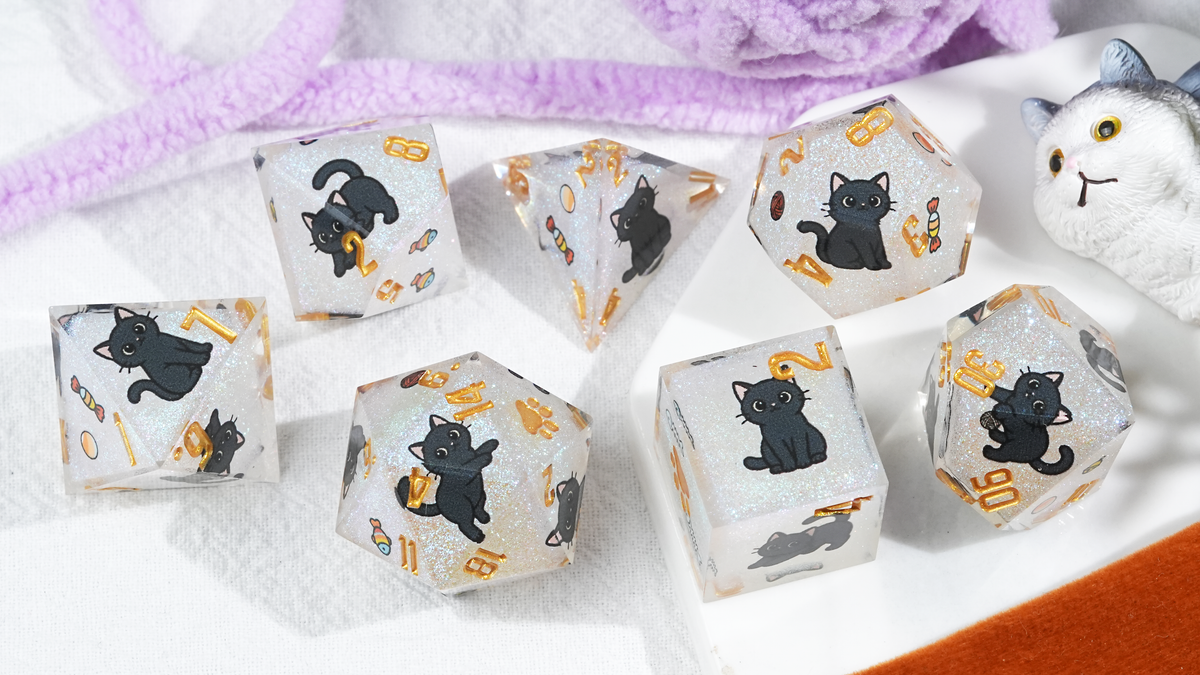
kickstarter Dice | Paws & Rolls: The Ultimate Cat Dice Collection | Bear Dice
09/2026
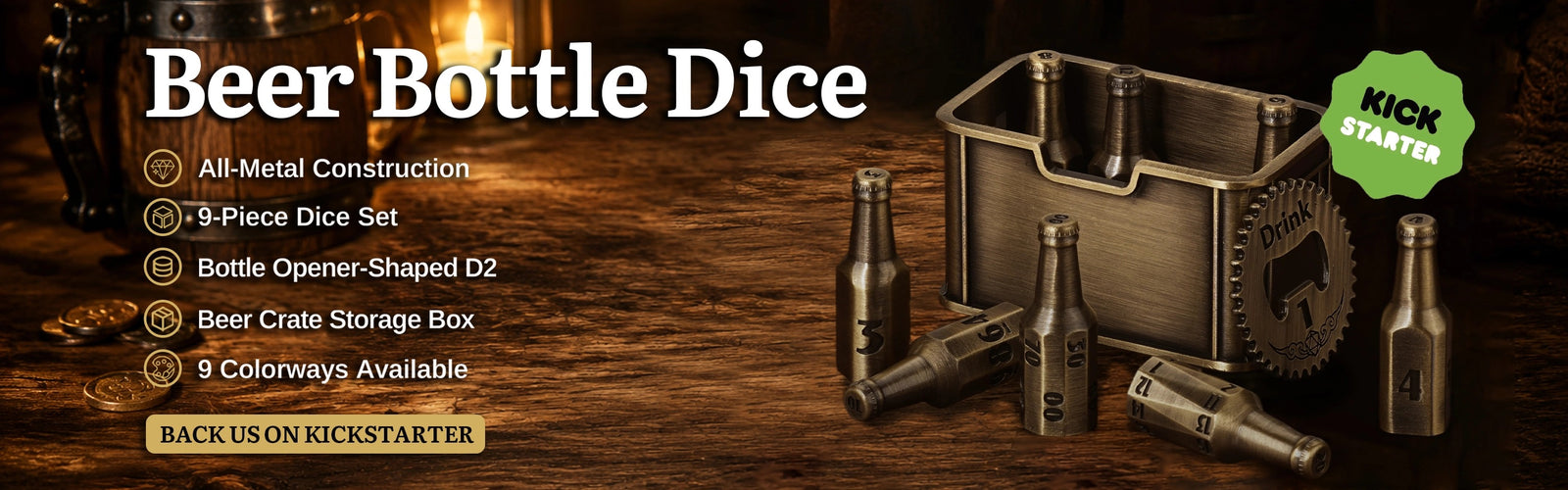
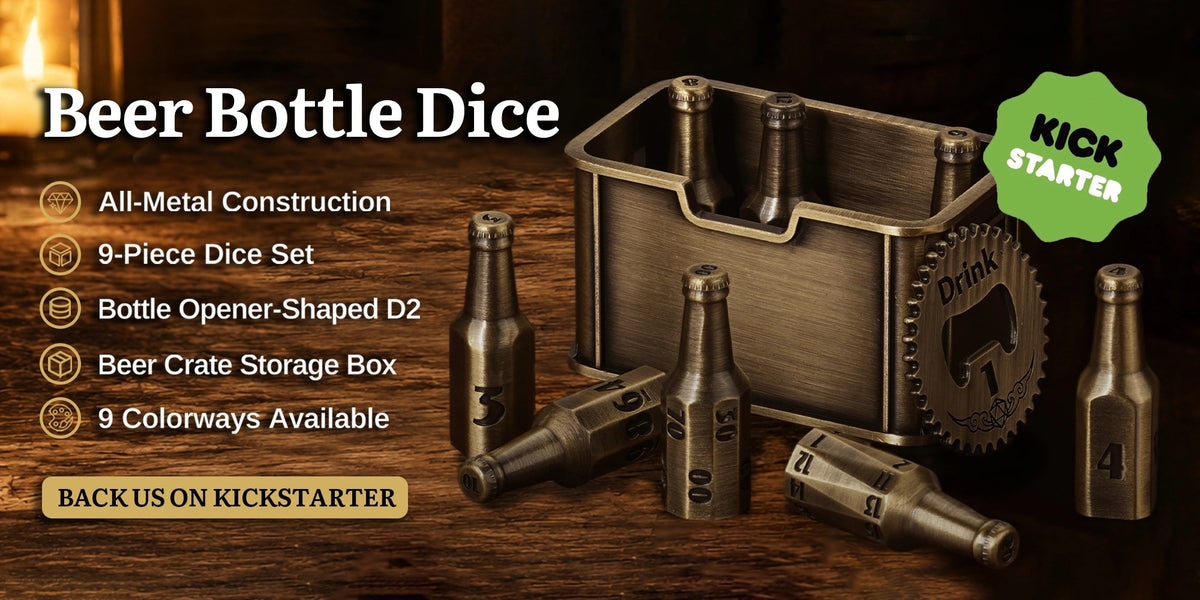
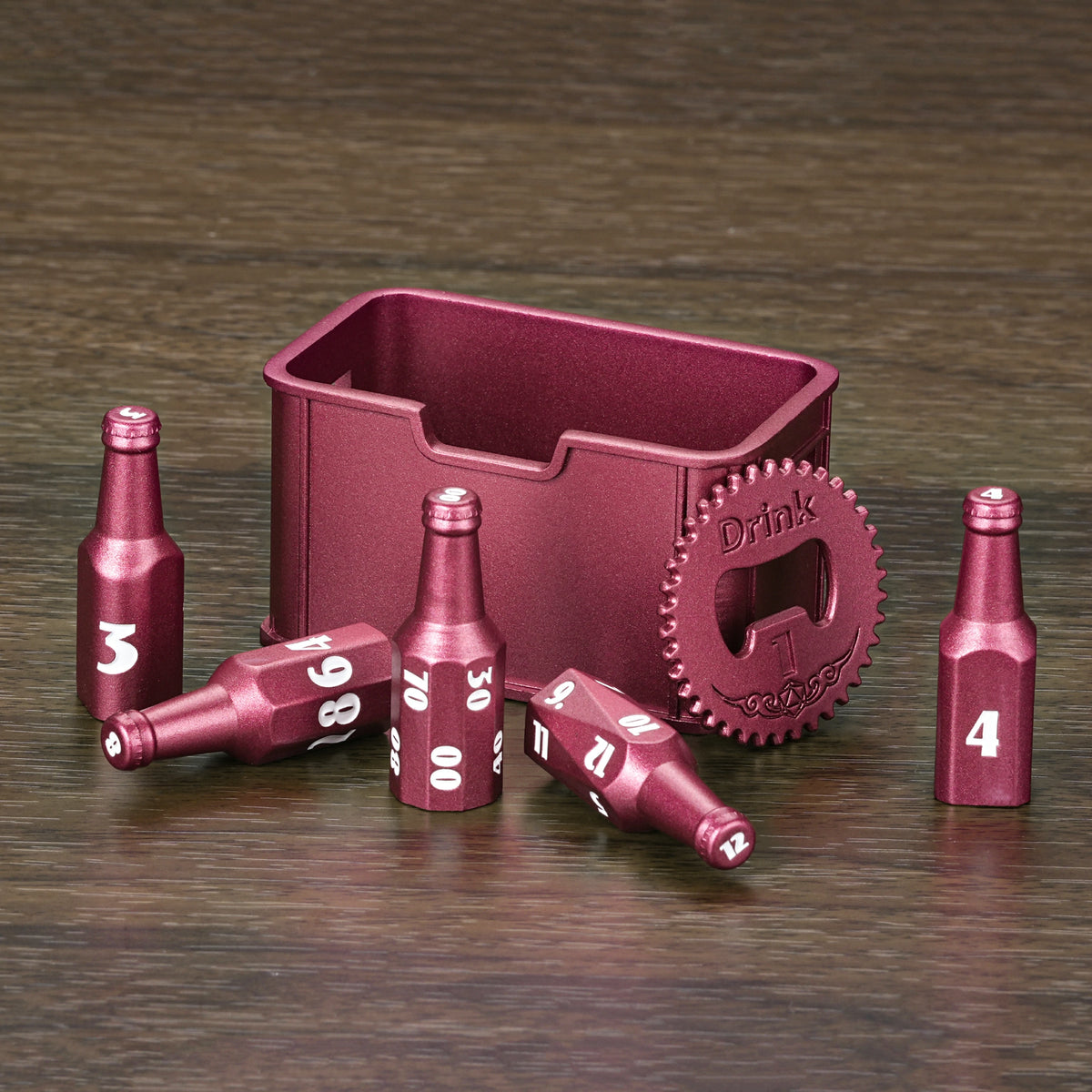
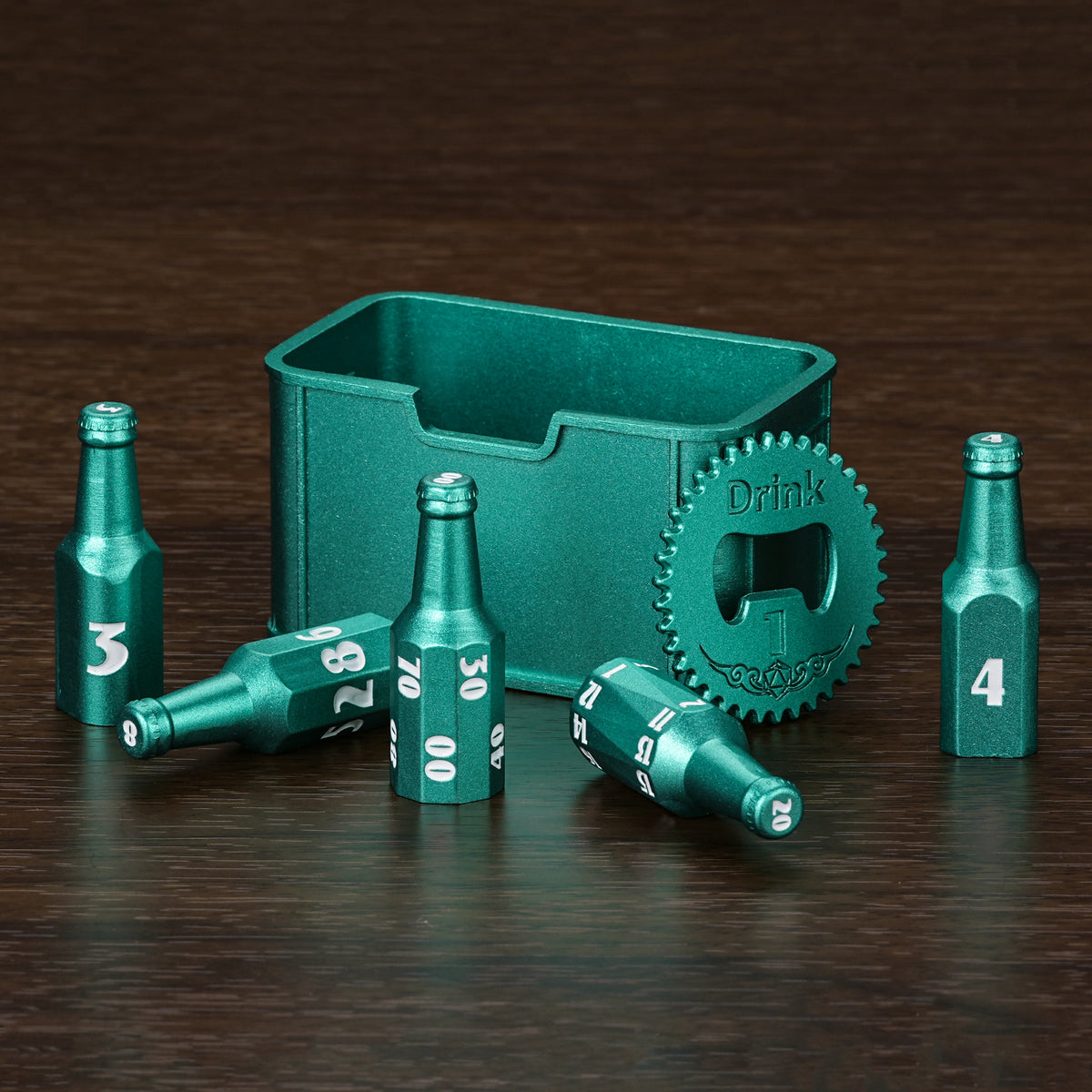
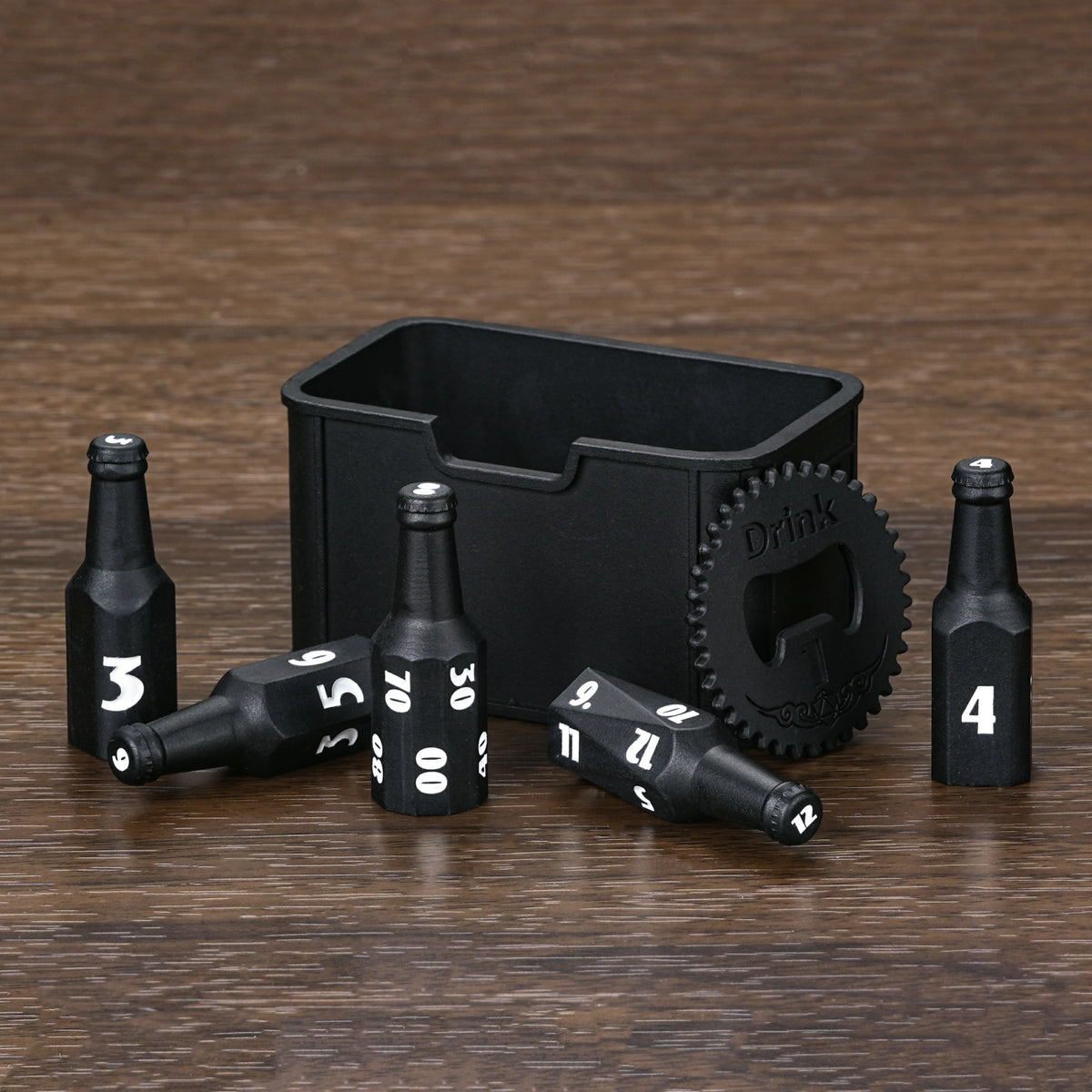
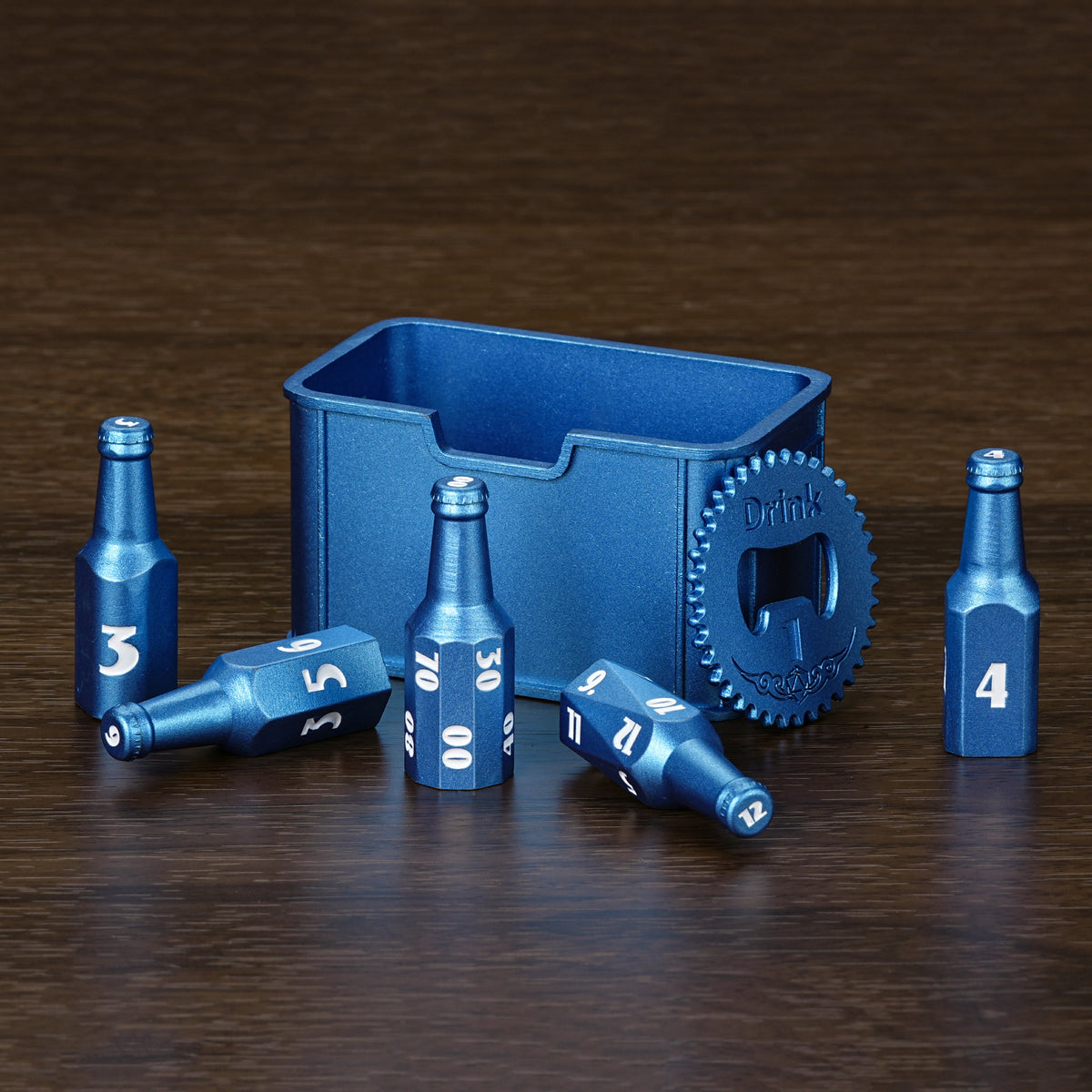
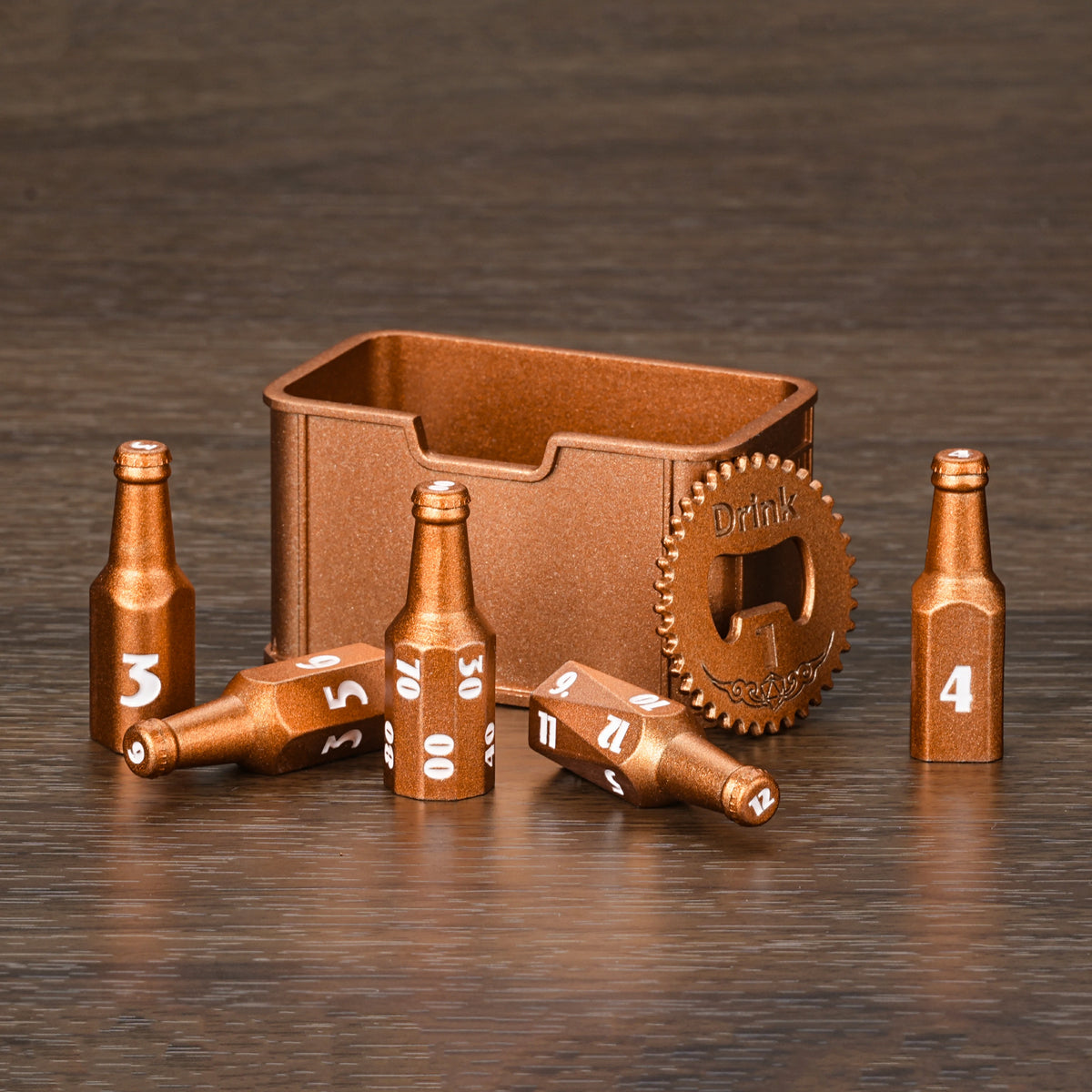
Metal Beer Bottle Dice Set | Bear Dice
08/2026
World Cup Resin Dice Set | Bear Dice
06/2026
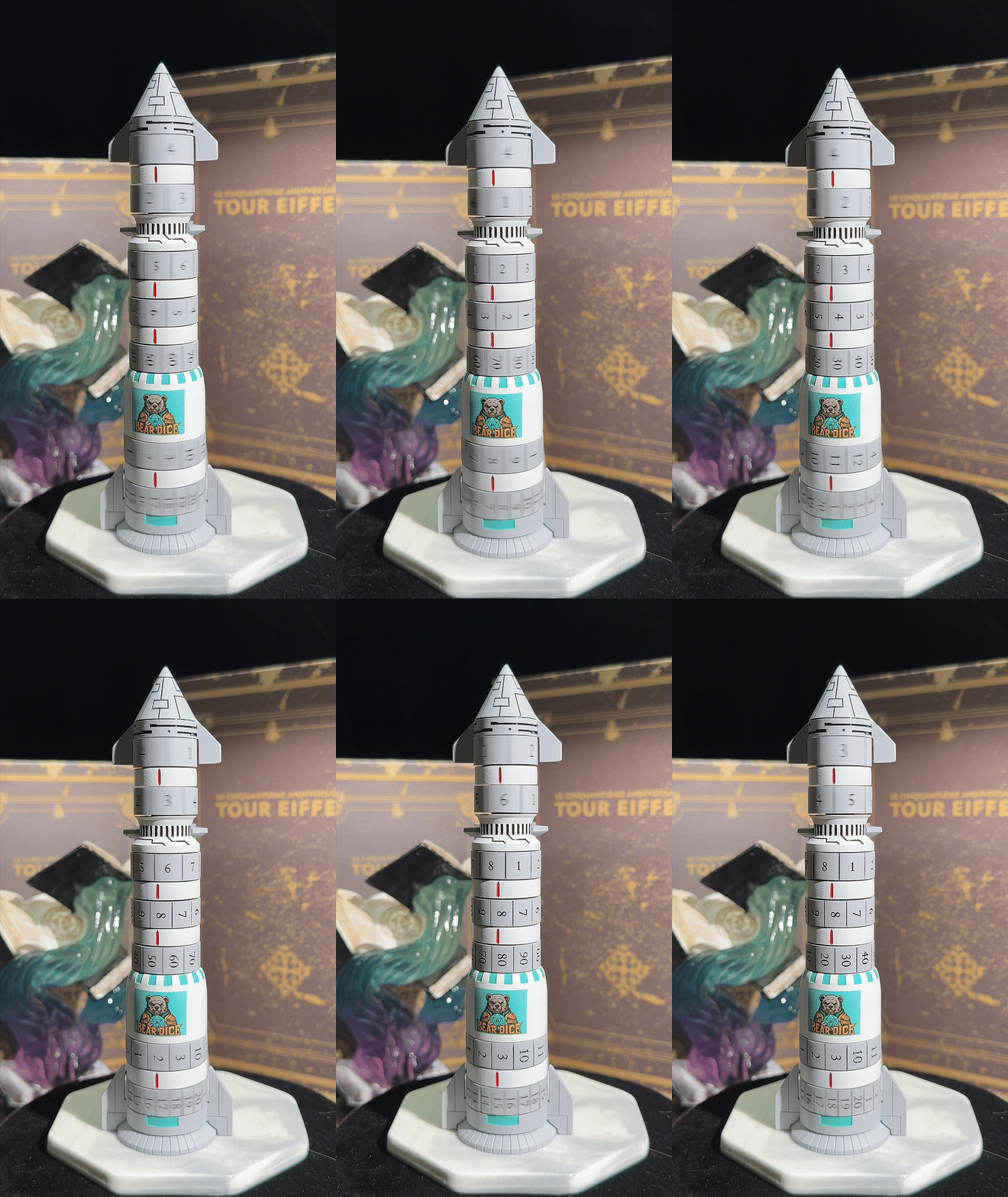
Kickstarter Dice: Metal Rocket Dice| Bear Dice
05/2026
Kickstarter Dice: Canine Legends-Lucky Guardian Resin Dice Set| Bear Dice
12/2025
Kickstarter Dice: 12 DND Class Dice Set| Bear Dice
11/2025
Kickstarter Dice: D6 ROTATING DICE | Bear Dice
10/2025
Kickstarter Dice: Canine Legends-Lucky Guardian Dice Set| Bear Dice
08/2025
Kickstarter Dice: OATH OF THE NILE | Bear Dice
07/2025
Kickstarter Dice: MAGE LIQUID CORE DICE | Bear Dice
05/2025

DND Dice Accessories

D&D Dice Categorized By Character Class

Choose a Dungeons & Dragons dice set specifically for your character's class! We've carefully crafted 12 different D&D class RPG dice sets, each incorporating unique symbols for that class, making your Dungeons & Dragons adventure more immersive and fun.

What Customers Say About DND Dice Set

Latest Blog Posts About DND Dice

In our blog, you can find the maintenance and introduction of DND dice sets (D20 dice, D10 dice); sharing of DND characters and gameplay; previews of new dice crowdfunding, etc.

  How Do Boss Miniatures Enhance Tabletop Games?

How Do Boss Miniatures Enhance Tabletop Games?

Table of Contents 1. What Is a Miniature Boss? 2. Why Miniature Boss Figures Make Encounters More Engaging 3. How...
  How do you interpret a D4 die?

How do you interpret a D4 die?

Table of Contents 1. What Is a D4 Die? 2. How to Read D4 Dice Correctly 3. What Are D4...
  How Do You Read and Use a D12 Die?

How Do You Read and Use a D12 Die?

Table of Contents 1. What Is a D12 Die? 2. How to Read a D12 Dice Roll 3. What Is...
  How Many Dice Do You Need for D&D? A Practical Starter Guide

How Many Dice Do You Need for D&D? A Practical Starter Guide

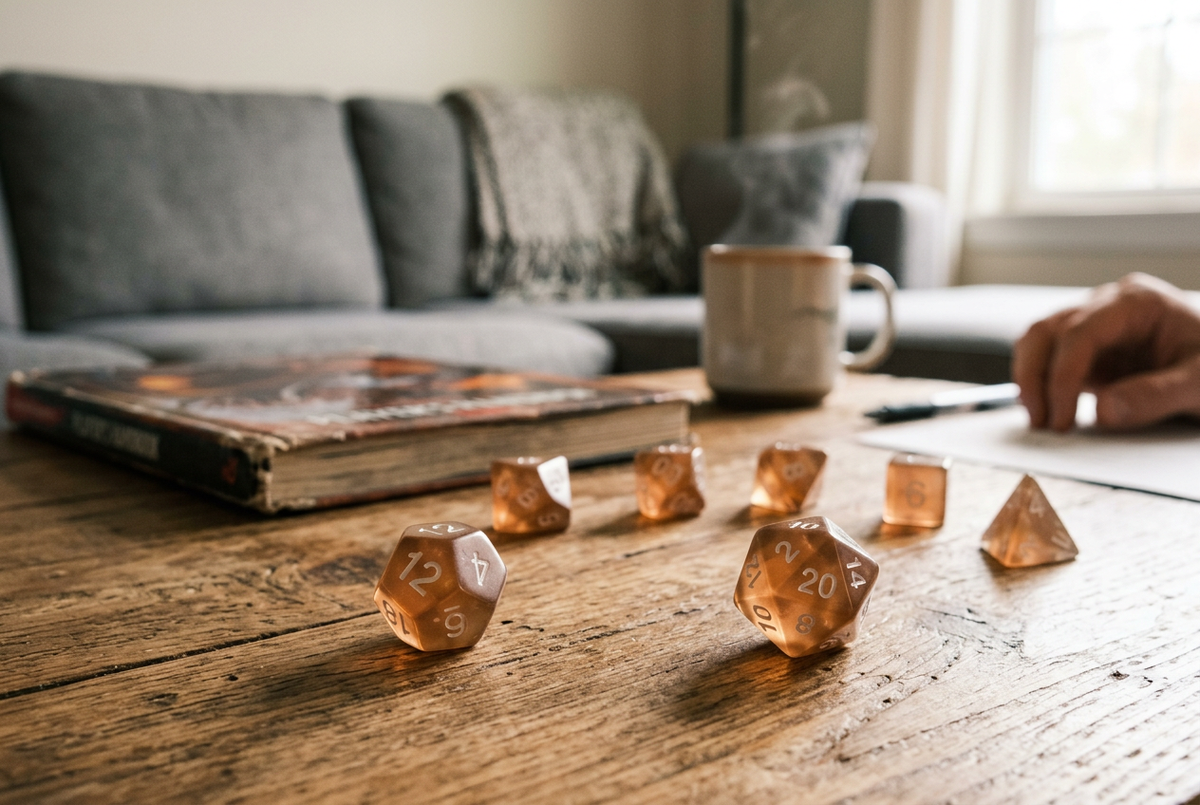
How many dice do you need for D&D? One seven-piece set covers the usual die types, while a few well-chosen...

Latest Blog Posts About DND Dice

In our blog, you can find the maintenance and introduction of DND dice sets (D20 dice, D10 dice); sharing of DND characters and gameplay; previews of new dice crowdfunding, etc.
How Do Boss Miniatures Enhance Tabletop Games?
October 23, 2026 .fhyra

How Do Boss Miniatures Enhance Tabletop Games?

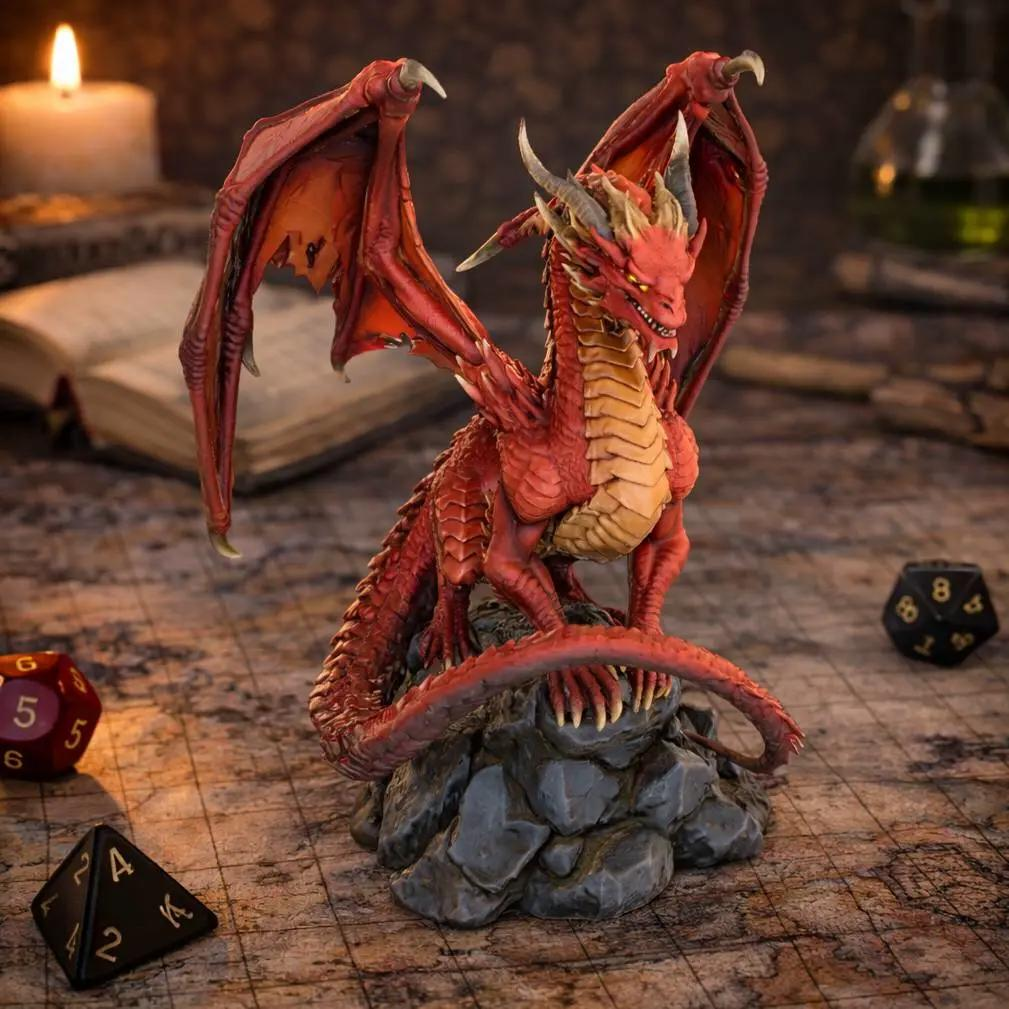
Table of Contents 1. What Is a Miniature Boss? 2. Why Miniature Boss Figures Make Encounters More Engaging 3. How to Design an Exciting Boss Battle With Dice 4. Pairing Dice With Miniature Boss Figures 5. Choosing a Miniature Boss for Your Collection 6. Displaying and Storing Miniature Boss Figures 7. Caring for Dice and Miniatures Together 8. Frequently Asked Questions 9. Final Thoughts Meta description: Discover how miniature boss figures enhance tabletop RPG encounters, build exciting boss battles with dice, choose compatible miniatures, and care for your collection. 1. What Is a Miniature Boss? A miniature boss is a small-scale model representing a major enemy, powerful creature, or challenging opponent in a tabletop game. Common examples include dragons, demons, giant monsters, armored villains, and powerful spellcasters. Miniature boss figures are popular among Dungeons & Dragons players, tabletop role-playing game enthusiasts, skirmish gamers, and miniature collectors. They provide a visible focal point for important encounters and can make an imaginary threat feel more tangible. A miniature boss does not have to be a particular size, material, or sculpting style. Depending on the game and manufacturer, models may be sold assembled or unassembled, painted or unpainted, and with or without a display base. Before purchasing a figure, check the actual product description for dimensions, material, assembly requirements, included accessories, and compatibility with your game. 2. Why Miniature Boss Figures Make Encounters More Engaging A major encounter often needs more visual presence than an ordinary combat scene. A distinctive miniature helps communicate that the players are facing an unusual threat. Create a visual centerpiece A dragon with spread wings, a towering armored warrior, or a creature surrounded by sculpted terrain can immediately attract attention. Even a relatively simple model can become memorable when placed thoughtfully on the battlefield. Make positioning easier to follow Miniatures can help players and Dungeon Masters understand relative positions, obstacles, and movement. When combined with a battle map, they provide a shared visual reference for the encounter. The exact rules for movement, reach, line of sight, and occupied space depend on the game and edition. A miniature's physical dimensions do not automatically establish its rules footprint. Build memorable storytelling moments A boss figure can signal a change in the narrative. Placing the miniature on the table at the beginning of a climactic scene can create anticipation before the first initiative roll. Lighting, terrain, music, and descriptive narration can add atmosphere without requiring expensive accessories. 3. How to Design an Exciting Boss Battle With Dice Boss battles work best when the encounter gives players meaningful decisions, not simply a large pool of enemy hit points. The following ideas are system-neutral encounter-design suggestions. They are not universal rules for D&D or any other game. Give the boss a clear identity Choose a defining characteristic for the encounter: a heavily armored guardian, a mobile dragon, a summoner, or a monster that controls the battlefield. The miniature can reinforce this identity visually. A winged creature might inspire a battlefield with elevated terrain, while an armored boss might suggest a defensive encounter with several ways to break through its protection. Use dice to resolve meaningful uncertainty Dice can determine attacks, damage, saving throws, random events, or other uncertain outcomes according to the rules of your game. If you want to introduce a custom boss mechanic, make sure players understand what triggers it and how its result is determined. For example, a homebrew encounter could use a D12 to select one of twelve environmental events, provided the group agrees to that procedure. A D4, D6, D8, D10, D12, or D20 can all be useful in a custom system. Choose the die according to the intended probability distribution rather than selecting one solely for its appearance. Create changing encounter phases A multi-phase boss encounter can change as the battle progresses. A monster might summon reinforcements, alter the terrain, or switch tactics after a narrative milestone. In a custom design, a phase change might be triggered by a defined event, a hit-point threshold, or a specific round. The precise trigger should be stated in the encounter notes rather than assumed to be part of the game's standard rules. Offer more than one solution Interesting boss fights reward observation and teamwork. Include opportunities to exploit terrain, interrupt an ability, protect an ally, or pursue an objective beyond dealing damage. These alternatives give different characters room to contribute and help prevent every turn from becoming the same sequence of attacks. 4. Pairing Dice With Miniature Boss Figures Dice and miniatures serve different purposes, but they can work together to create a coherent gaming setup. Match the visual theme You might pair a dragon miniature with fiery-colored dice, an undead boss with cool or muted tones, or a magical guardian with bright, contrasting colors. These are aesthetic choices, not gameplay requirements. The most important practical consideration is that the numbers on your dice remain readable. Keep frequently used dice accessible A boss encounter may involve several different rolls. Keep the dice you use most often within easy reach, while leaving enough space for miniatures, character sheets, cards, and other components. A dice tray can help contain rolls and keep dice from knocking over nearby figures. This is particularly useful when the boss miniature has extended wings, weapons, or other delicate features. Coordinate the base and battlefield Consider the miniature's base when planning the battle map. A broad base may require more space than a smaller figure, while a tall sculpt may need clearance from overhead shelves, scenery, or other stored models. Check the game's rules for the appropriate footprint and placement. Visual size and rules size are not always identical. 5. Choosing a Miniature Boss for Your Collection Before buying a miniature boss, think about how you plan to use it. For tabletop play Prioritize stability, practical placement, visibility, and compatibility with your game. A model that looks impressive in a product photograph may require more table space than expected. Check the stated dimensions, base information, assembly instructions, and any handling recommendations. For painting and hobby projects Unpainted miniatures can provide a creative project for hobbyists. Before applying paint, confirm which preparation methods and paint types are suitable for the model's material. Some models require assembly or surface preparation, while others arrive ready to use. Follow the manufacturer's instructions rather than assuming that every miniature uses the same process. For display and collecting Collectors may prioritize sculpt detail, pose, visual theme, and how a model fits into an existing collection. A display miniature can also serve as an encounter centerpiece, but check whether its base, pose, or construction makes it suitable for repeated handling during play. Explore a personalized model If you have a particular character or boss concept in mind, explore Bear Dice's custom personalized 3D models. Review the product page for available options and confirm whether your planned design, dimensions, and intended tabletop use can be accommodated before ordering. Before completing a purchase Review the product listing for: Model dimensions and base size, when provided. Material and whether the model is painted. Assembly requirements and included components. Intended use, age guidance, and handling instructions. Compatibility with the rules or tabletop system you play. Do not infer a miniature's exact scale, material, or durability from its appearance alone. 6. Displaying and Storing Miniature Boss Figures Miniature bosses often have delicate details such as horns, swords, wings, tails, or thin protruding elements. Good storage protects these features while keeping the collection accessible. Choose a stable display location Use a level shelf or display cabinet away from busy walkways and unstable surfaces. Leave enough room around tall or wide figures to avoid accidental contact. If sunlight reaches the display area, consider reducing prolonged direct exposure, particularly for painted models or materials that may be sensitive to light. Protect miniatures during transport Use a suitably sized miniature case or a container with protective compartments. Foam, purpose-designed inserts, or other nonabrasive supports can help prevent figures from shifting. Avoid forcing delicate parts into tight spaces. A model's wingspan or weapon position may require a larger compartment than its base alone suggests. Keep dust under control Remove dust gently with a soft brush. Pay attention to recessed details, textured bases, and areas beneath wings or other overhanging parts. For painted models, avoid aggressive rubbing and unapproved cleaning chemicals. If a model has fragile components or an unfamiliar finish, check the manufacturer's care guidance. 7. Caring for Dice and Miniatures Together A combined dice-and-miniature setup needs slightly different storage considerations from a dice-only collection. Dice may move around inside a container and strike delicate model parts if stored together without separation. Keep them in dedicated compartments, separate pouches, or a divided case. For routine maintenance: Inspect dice and models for dust, loose parts, and visible damage. Clean dice with methods appropriate for their specific materials and finishes. Dust miniatures gently with a soft brush. Store painted or fragile models so that protruding details are not under pressure. Keep all accessories in a dry, organized location suited to the manufacturer's recommendations. If a miniature has a loose part or a damaged base, avoid repeated handling until the issue has been assessed. Use a repair method appropriate for the model's material. 8. Frequently Asked Questions What is a miniature boss in tabletop gaming? A miniature boss is a model representing a major enemy or powerful opponent in a tabletop game. It often serves as the visual centerpiece of an important encounter. Do I need a miniature boss to run a D&D boss fight? No. D&D encounters can be run with miniatures, tokens, maps, or theater-of-the-mind descriptions. A miniature is an optional visual aid, and its use depends on the group's preferences and rules. Which dice should I use for a boss battle? Use the dice specified by your game's rules. Many tabletop RPGs use several polyhedral dice for different mechanics. Custom encounters can use other dice when the group agrees on the procedure and understands the probabilities. How do I make a boss battle more interesting? Give the boss a distinctive identity, introduce meaningful terrain or objectives, vary its tactics, and provide opportunities for teamwork. Balance the encounter for your group's characters and the rules system you are using. Can I use any miniature boss in Dungeons & Dragons? A miniature can often serve as a visual representation of a creature, but its size, base, and appearance may not match the game's official representation. Check the relevant rules and ensure that everyone understands how the figure is being used. How should I store miniature boss figures? Use a stable display area for long-term viewing and a suitably sized protective case for transport. Keep delicate details from pressing against foam, other miniatures, or loose accessories. Can I clean painted miniatures with water? Do not assume that water is safe for every model. Cleaning depends on the model's material, paint, finish, and construction. Start with gentle dust removal and follow the manufacturer's recommendations. Can dice be stored in the same case as miniatures? Yes, if the case has separate compartments that prevent dice from moving into the figures. Keeping dice and models separated helps reduce accidental impacts and scratches. 9. Final Thoughts Miniature boss figures and tabletop dice can transform a routine encounter into a memorable gaming experience. The miniature provides a visual focal point, while dice help resolve uncertain outcomes and support the mechanics of your chosen game. By choosing compatible models, planning meaningful boss encounters, and storing your accessories carefully, you can create a tabletop setup that works for both game night and long-term collecting.
Read more
How do you interpret a D4 die?
October 23, 2026 .fhyra

How do you interpret a D4 die?

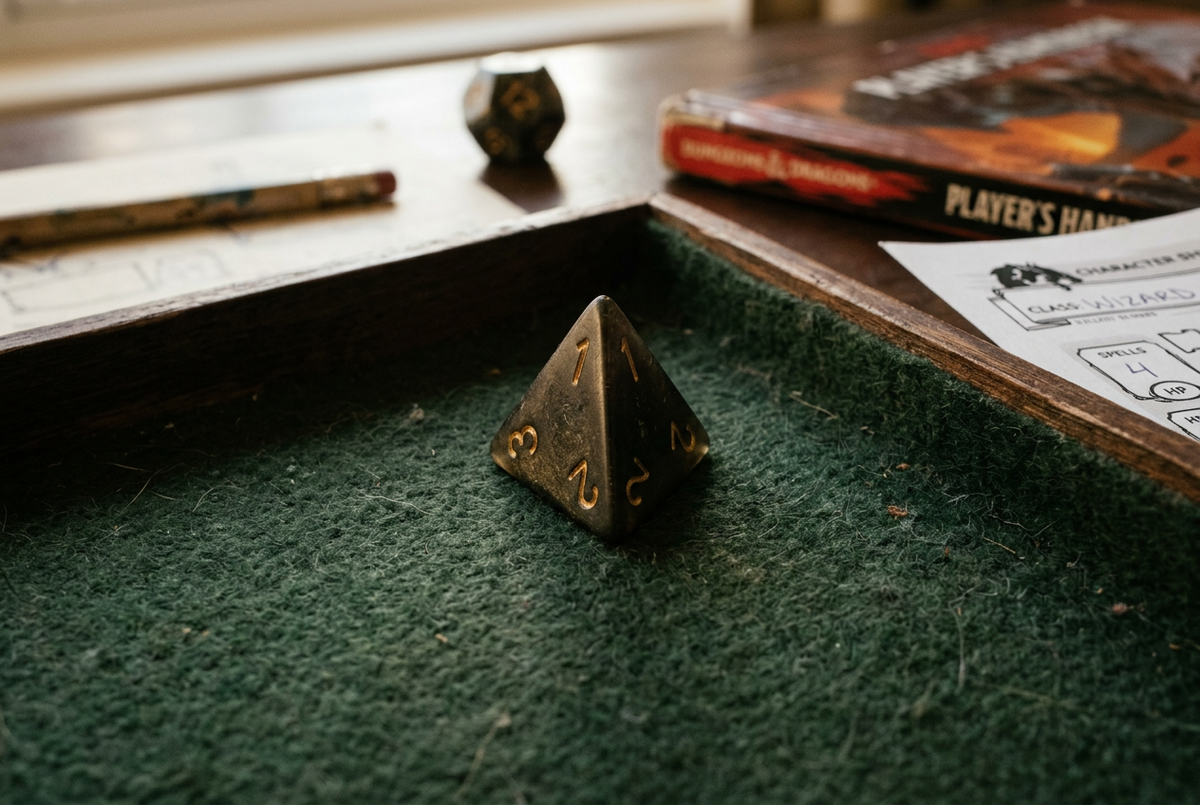
Table of Contents 1. What Is a D4 Die? 2. How to Read D4 Dice Correctly 3. What Are D4 Dice Used For? 4. Understanding D4 Probability 5. D4 vs. D6: What's the Difference? 6. Choosing D4 Dice for Your Game 7. Safe Handling and Use of D4 Dice 8. How to Clean and Store D4 Dice 9. Frequently Asked Questions 10. Final Thoughts Learn how to read D4 dice, explore common tabletop RPG uses, understand safe handling, and discover practical tips for cleaning and storing four-sided dice. 1. What Is a D4 Die? A D4 die is a four-sided polyhedral die shaped like a tetrahedron. Unlike the familiar six-sided cube, a D4 has triangular faces and a compact, pointed profile. AI-generated illustration of a D4 on a gaming tray, not a numbering reference or product photograph. D4 dice are common in tabletop role-playing games, including Dungeons & Dragons, where they can determine small damage rolls, healing amounts, or other effects specified by a game's rules. A standard numbered D4 commonly represents the results 1 through 4. However, the way those results are displayed differs from one design to another. Understanding the numbering layout is important because a D4 may not rest with one obvious number facing upward. 2. How to Read D4 Dice Correctly Reading a D4 is often the first challenge for new tabletop players. Many traditional D4 dice display numbers along the lower edges of their triangular faces rather than using the same top-face convention as a D6. On many conventional D4 designs, the number at the bottom of the die, near the surface on which it rests, indicates the result. Other designs may use different layouts, including repeated numbers near vertices or alternative reading indicators. Always follow the reading convention supplied with your specific die. Do not assume that every four-sided die uses the same system. A simple way to avoid confusion Examine the die before your game begins. Identify how its numbers are positioned on each face or edge. Check the manufacturer's instructions if the intended result is unclear. Agree on a consistent interpretation with your group. When using an unfamiliar die, practice a few test rolls before an important encounter. If you play in a group with several different dice sets, explaining the reading convention can prevent unnecessary pauses during combat. 3. What Are D4 Dice Used For? D4 dice are useful whenever a game calls for a random result from one to four. Their actual function depends on the rules of the game. D4 Dice in Dungeons & Dragons In D&D, D4 dice are frequently used for damage and other small numerical effects. For example, in D&D 5th Edition, the dagger deals 1d4 piercing damage on a successful hit under the standard weapon rules. AI-generated tabletop gaming scene, not a product photograph. Some spells, class features, items, and other effects may also use a D4, depending on the applicable edition and rules. A Dungeon Master might additionally use a D4 for a custom four-option event table, such as choosing between four environmental complications. This is a house-rule or scenario-design option, not a universal D&D mechanic. Other Tabletop Uses Outside D&D, a D4 may be useful for: Small damage or healing values in games that specify it. Four-option random tables. Custom character abilities and resource systems. Board-game mechanics involving a small range of outcomes. Homebrew rules where four equally likely results are appropriate. Before substituting a D4 for another die, check the game's instructions. Changing the number of possible outcomes changes the probabilities. 4. Understanding D4 Probability A fair D4 has four equally likely outcomes. Each individual number therefore has a probability of 1/4, or 25%. For a conventional D4 numbered from 1 to 4: Rolling a 1: 25%. Rolling a 2: 25%. Rolling a 3: 25%. Rolling a 4: 25%. Rolling an odd number: 50%. Rolling a result of 3 or higher: 50%. The expected result is 2.5. This is the long-run average, not a promise that repeated rolls will alternate between low and high numbers. A D4 provides a narrower outcome range than a D6 or D8. That makes it appropriate for certain game mechanics, but not automatically better or worse than another die. 5. D4 vs. D6: What's the Difference? The most obvious difference is shape. A D4 has four triangular faces, while a D6 has six square faces. Feature D4 D6 Number of faces 4 6 Standard numbered outcomes 1–4 1–6 Typical shape Tetrahedron Cube Individual outcome probability for a fair die 25% About 16.67% Common tabletop role Small damage rolls and specified effects General randomization and many board games The probability figures assume fair dice with one face for each listed result. A D6 offers a wider range of possible values, while a D4 offers a smaller one. Game designers choose between them according to the intended mechanics and probability distribution. 6. Choosing D4 Dice for Your Game A good D4 should be easy to identify, comfortable to handle, and appropriate for your game. Prioritize clear numbering Because D4 reading conventions can be unfamiliar, choose a design whose numbers are legible and distinguishable. Contrasting numerals can help, especially during fast-paced sessions. Consider the shape The tetrahedral shape is part of what makes a D4 distinctive. If your group finds traditional D4 dice difficult to read or handle, investigate alternative D4 designs and confirm how each one is intended to be read. Match the rest of your dice set A D4 can coordinate with a character's color scheme or a complete polyhedral set. Visual consistency can make it easier to keep track of your dice, provided the numbers remain readable. Review the product specifications Before purchasing, check the seller's stated material, dimensions, finish, included items, and care instructions. Do not infer these details from product photographs alone. 7. Safe Handling and Use of D4 Dice Traditional D4 dice have pointed corners and a tetrahedral profile. While ordinary tabletop play is generally straightforward, sensible handling helps reduce discomfort and accidental damage. Avoid throwing D4 dice toward another person or animal. Keep small dice away from young children and pets who may swallow them. Roll on a suitable gaming surface rather than a delicate or easily damaged tabletop. Collect dice promptly after play to avoid stepping on them. Store dice where they cannot fall onto the floor or become mixed with unrelated small objects. If you have young children in your home, consider the manufacturer's age guidance and keep small gaming accessories out of reach. Never assume that a decorative or specialty D4 is suitable as a toy. A dice tray or soft rolling area can help contain rolls and protect the playing surface. It may also make retrieving pointed dice more convenient. 8. How to Clean and Store D4 Dice D4 dice can accumulate fingerprints, dust, and residue through regular use. Simple maintenance is usually sufficient. Wipe away loose dust with a soft, dry cloth. Use a soft brush to reach decorative grooves or detailed numbering. Follow the manufacturer's guidance before using water or any cleaning product. Avoid abrasive pads, harsh solvents, and excessive heat unless explicitly approved for the material and finish. Allow the die to dry completely before storage. For storage, consider a divided dice case, a soft pouch, or a compartment that prevents pointed dice from scratching other accessories. If your collection contains painted, metallic-looking, or specialty finishes, separate storage can reduce contact between surfaces. AI-generated illustration of dice storage, not a product photograph. 9. Frequently Asked Questions How do you read a D4? Many traditional D4 dice are read using the number at the bottom edge near the playing surface. Other designs differ, so check the manufacturer's reading instructions. Why does a D4 have triangular faces? A standard D4 is a tetrahedron, a solid with four triangular faces. Each face represents one of the die's possible outcomes. What is the probability of rolling a 4 on a D4? For a fair D4 numbered from 1 to 4, the probability is 1/4, or 25%. What is a D4 used for in D&D? A D4 is commonly used for effects such as dagger damage in D&D 5th Edition. Other uses depend on the edition, feature, and specific game rules. Are D4 dice safe to use? They can be used as ordinary tabletop gaming accessories, but their pointed corners deserve sensible handling. Keep them away from young children and pets, and use a suitable rolling surface. Can I clean D4 dice with water? That depends on the die's material, coating, and finish. Check the manufacturer's instructions before applying water or cleaning products. How should I store a D4? A soft pouch or compartmentalized case can keep D4 dice organized and reduce contact with other accessories. Store them away from young children and pets. 10. Final Thoughts D4 dice may be small, but they play an important role in many tabletop games. Knowing how to read a four-sided die, understanding its probability, and choosing a readable design can make every session run more smoothly. Whether you are building your first D&D dice set or expanding a collection, prioritize clear numbering, suitable storage, and care instructions that match the die you own.
Read more
How Do You Read and Use a D12 Die?
October 23, 2026 .fhyra

How Do You Read and Use a D12 Die?

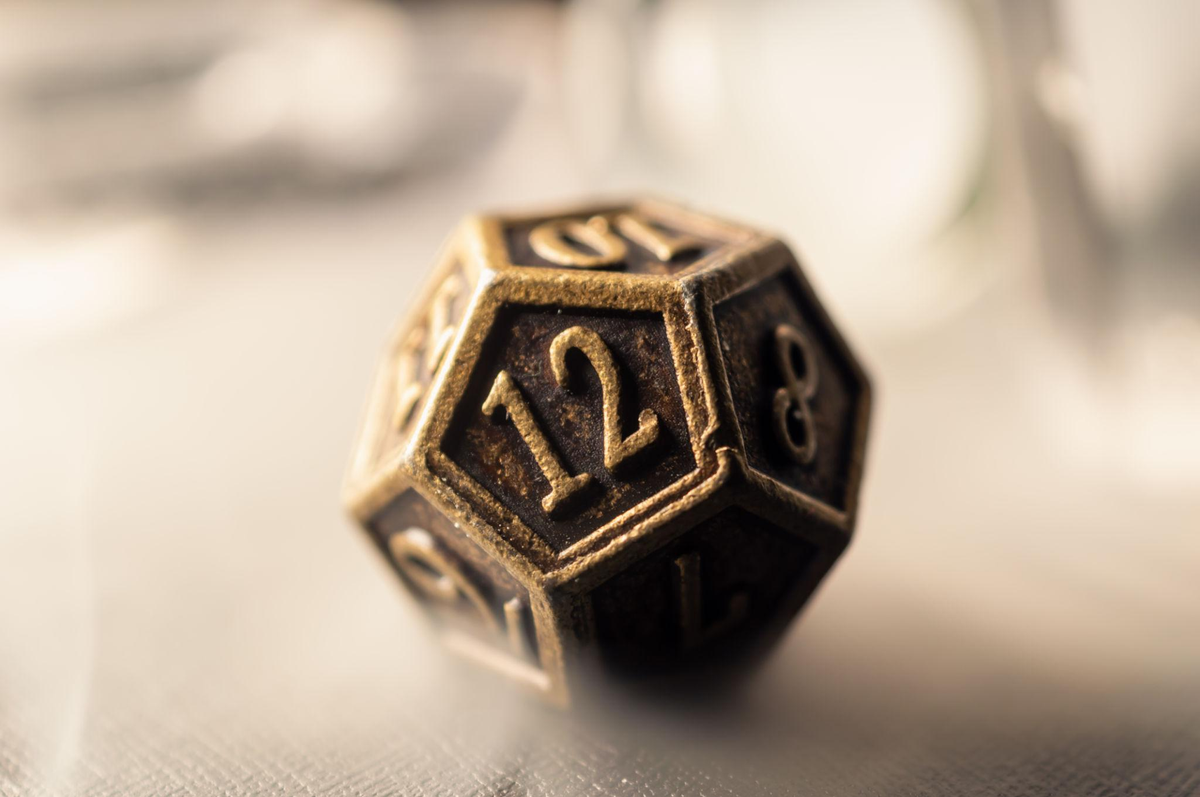
Table of Contents 1. What Is a D12 Die? 2. How to Read a D12 Dice Roll 3. What Is a D12 Used For in Tabletop Games? 4. D12 vs. D4, D6, D8, D10, and D20 5. Understanding D12 Dice Probability 6. How to Choose a D12 for Your Dice Collection 7. Cleaning and Caring for D12 Dice 8. Frequently Asked Questions 9. Final Thoughts Meta description: Learn how D12 dice work, how to read a 12-sided die, understand its probabilities, explore D&D uses, and keep your dice clean and ready for game night. 1. What Is a D12 Die? A D12 die is a twelve-sided polyhedral die commonly used in tabletop role-playing games, board games, and custom game systems. The letter “D” stands for “die,” while the number indicates how many possible numbered outcomes the die has. A standard D12 is typically numbered from 1 to 12, although custom dice may use different numbering schemes or symbols. When a conventional D12 is rolled fairly, each of its twelve outcomes has an equal probability of appearing. The D12 occupies an interesting place in a typical polyhedral dice set. It offers more possible results than a D6, but fewer than a D20, making it useful for damage rolls, random tables, resource systems, and other mechanics that benefit from twelve possible outcomes. 2. How to Read a D12 Dice Roll Reading a D12 is usually straightforward: identify the number intended to be read on the uppermost face after the die stops moving. However, the exact reading convention can depend on the die's design. Some decorative dice have intricate numbering, contrasting face colors, or unusual layouts. If a die has a special indicator, follow the manufacturer's instructions. For a quick check before your first session: Confirm that the die has twelve numbered faces. Check that every number is legible under your usual gaming-room lighting. Establish a consistent reading convention with your group. Keep a spare die nearby if a result is difficult to interpret. Clear, high-contrast numbering can be especially helpful when rolling quickly during a long encounter. 3. What Is a D12 Used For in Tabletop Games? The D12 appears in different ways across tabletop games. Its function depends on the rules of the game rather than the shape of the die alone. D12 Dice in Dungeons & Dragons In Dungeons & Dragons, the D12 is commonly associated with damage rolls for certain weapons and character abilities. For example, in D&D 5th Edition, the greataxe deals 1d12 slashing damage on a successful hit under the standard weapon rules. Other D&D editions, character features, monster abilities, and supplements may use the D12 differently. Always consult the rules applicable to your campaign. A D12 can also serve as a convenient randomizer for homebrew encounters, loot tables, weather events, or twelve-option decision tables. These uses are especially useful when a Dungeon Master wants more variety than a six-sided die provides. D12 Dice in Board Games and Custom Systems Outside D&D, a D12 may be used for: Damage or attack resolution in games that specify a twelve-sided die. Random event tables with twelve possible results. Movement, resource generation, or character attributes in custom systems. Homebrew mechanics where a wider range of results is desirable. Not every board game supports a D12. Before buying a die for a specific game, check the game's component list and rulebook. 4. D12 vs. D4, D6, D8, D10, and D20 Different dice offer different numbers of possible outcomes. The best choice depends on the game's rules, the range of results required, and how the die will be used. Die Number of faces Typical role D4 4 Small damage rolls and specific abilities D6 6 General randomization and many board games D8 8 Damage rolls and other game-specific mechanics D10 10 Decimal-style randomization and percentile systems when paired appropriately D12 12 Selected weapon damage, random tables, and custom mechanics D20 20 Attack rolls, ability checks, and saving throws in many D&D rulesets These are examples rather than universal assignments. A game can use any die for any mechanic if its rules specify that use. The main practical difference is the size of the outcome range. A D12 offers twelve possible results, while a D20 offers twenty. More faces create a finer range of possible outcomes, but do not automatically make a game more balanced or more random. 5. Understanding D12 Dice Probability A fair D12 has twelve equally likely outcomes. Each individual face therefore has a probability of: 1/12, or approximately 8.33%. The probability of rolling a result within a chosen range is the number of qualifying faces divided by twelve. For example: Rolling a 12: 1 out of 12, or about 8.33%. Rolling 10, 11, or 12: 3 out of 12, or 25%. Rolling 7 or higher: 6 out of 12, or 50%. Rolling 6 or lower: 6 out of 12, or 50%. The expected result of a fair, conventionally numbered D12 is 6.5. This is a long-run statistical average, not a prediction of what the next roll will be. Real-world results can be affected by manufacturing irregularities, damage, rolling technique, and the surface used. These factors do not mean every die is biased, but they are worth considering if a die is visibly damaged or behaves unusually. 6. How to Choose a D12 for Your Dice Collection When choosing D12 dice, look beyond the color or finish. Think about how the die will perform during your actual sessions. Check readability Numbers should be easy to distinguish from the surrounding surface. High-contrast lettering helps players read results quickly, especially in dim lighting. Consider the overall design A D12 can complement a character theme, campaign setting, or existing polyhedral dice set. Metallic-looking finishes, bold colors, and decorative patterns can all create different visual effects. Appearance alone does not establish the die's material, manufacturing method, or balance. Check the seller's product specifications if those details matter to you. Match the die to your game If your campaign frequently uses a D12 for damage or custom tables, keeping it accessible can save time. If you only need one occasionally, a complete polyhedral set may be more practical. Check product details before purchasing Review the stated dimensions, materials, included accessories, and care instructions rather than assuming that all D12 dice share the same construction. 7. Cleaning and Caring for D12 Dice Routine care helps keep dice readable and attractive. Remove loose dust with a soft, dry cloth or a gentle brush. If additional cleaning is necessary, follow the manufacturer's guidance for the specific material and finish. Avoid harsh solvents, abrasive cleaners, and prolonged exposure to heat unless the manufacturer explicitly confirms they are suitable. Dry the die completely before placing it in a closed container. Store it in a dice bag, compartmentalized case, or another location where it is less likely to rub against hard objects. Decorative coatings, painted numbers, metal components, and specialty finishes may require different care. Do not assume that a cleaning method suitable for one die is safe for another. 8. Frequently Asked Questions Is a D12 the same as a twelve-sided die? Yes. D12 is the common notation for a twelve-sided die. In standard tabletop notation, “D12” describes a die with twelve possible face outcomes. What is the probability of rolling a 12 on a D12? For a fair D12 with one face numbered 12, the probability is 1/12, or approximately 8.33%. Why does D&D use a D12? Certain weapons and abilities use a D12 to determine damage or other results. In D&D 5th Edition, a greataxe is a familiar example. Exact mechanics vary by edition and feature. Can I use a D12 for any board game? Only if the game's rules permit it or your group agrees to a house rule. Replacing a specified die can change the game's probability distribution. How do I know whether my D12 is balanced? Visual inspection can reveal obvious damage or irregularities, but appearance alone cannot prove fairness. If precise balance matters, use a suitable testing method and interpret the results over many rolls. How should I store D12 dice? A soft dice bag or a compartmentalized case can help reduce scratches and keep dice organized. Follow the care guidance for your die's particular material and finish. 9. Final Thoughts D12 dice offer a useful twelve-outcome range for tabletop games, from familiar D&D damage rolls to custom random tables. Understanding how to read the die, interpret its probabilities, and care for its finish makes it easier to choose a die that suits your collection and your play style. Whether you prefer a simple, readable design or a decorative die that complements your character, the best D12 is one that fits your game's requirements and is easy to use at the table.
Read more
What Is a D100 Die? How to Read Percentile Dice
October 17, 2026 Bear Dice

What Is a D100 Die? How to Read Percentile Dice

A d100 die produces a result from 1 to 100, but a physical hundred-sided die is only one way to make that roll. Learn the percentile-pair method, compare practical formats, and avoid common zero-reading mistakes.
Read more

In Conclusion

Whether you are a new DnD player, an experienced veteran, a seasoned collector, a game DM, or a CLUB operator, Bear Dice is your best companion!

For any needs regarding role-playing tabletop games, feel free to contact us. The Bear Dice team is always eager to do everything possible to assist you. Your feedback and suggestions are extremely valuable to us. Rest assured, we will read and respond to every message.

Free online DND dice roller | Virtual Google Dice Roller | Bear Dice

Online Dice Roller

Bear Dice's online dice rolling game works just like Google Dice Roller. Choose from D4, D6, D20, or even D100 dice and roll instantly with accurate, fair, and realistic results.

THROW NOW
Free download and print D&D 5e character sheet | Classic character class chart for D&D beginners|Bear Dice

DND Character Sheet Download And Use

The dnd 5e character sheet provided by BearDice is created by experienced DnD players and professional designers to help you create your own unique character. You can download and print the DnD 5e character sheet pdf format for free.

FREE DOWNLOAD

What Does DND Dice Include?

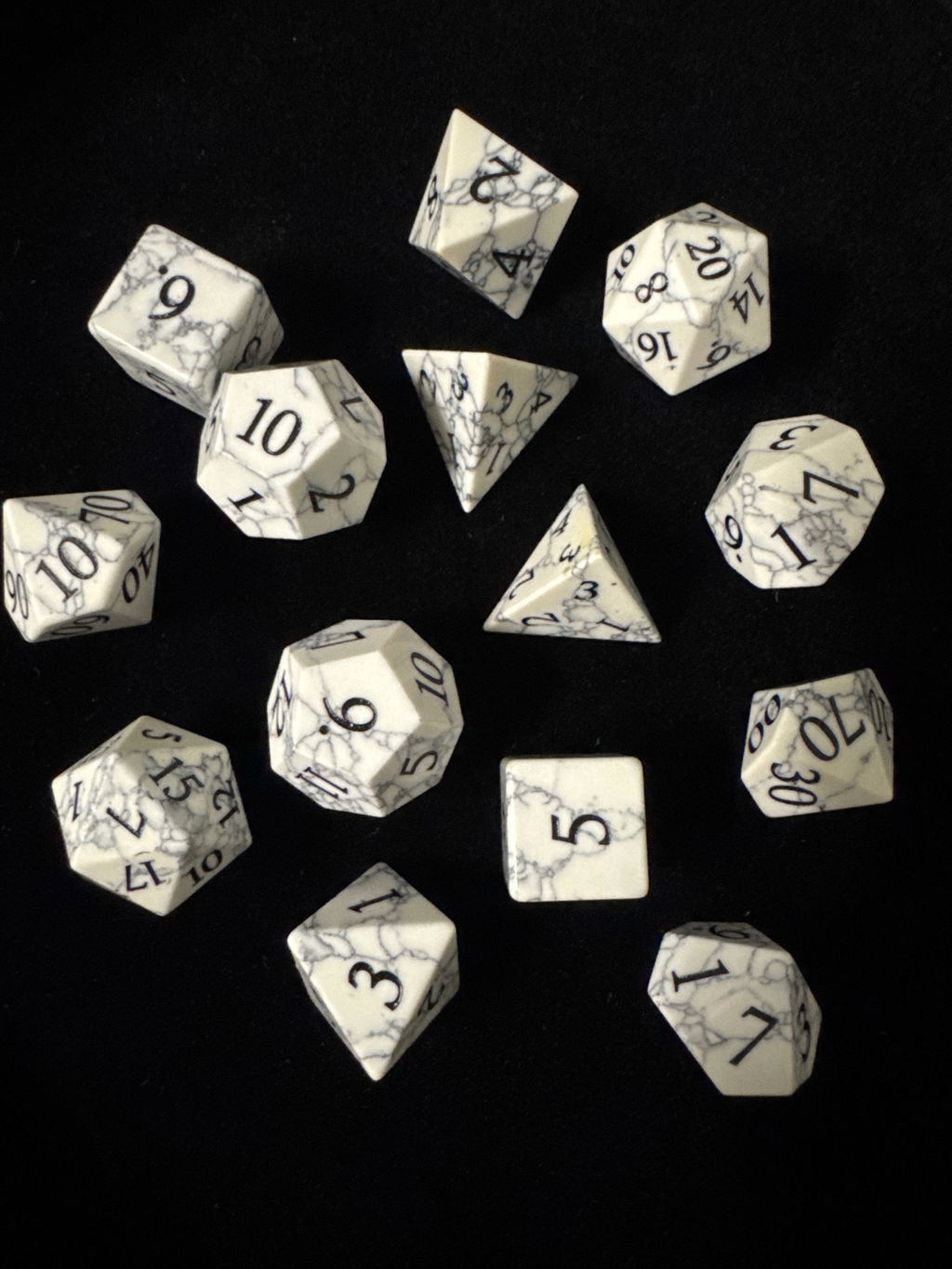
In tabletop role-playing games, especially the classic Dungeons & Dragons, the standard D20 system is central to the adventure. This system relies on seven types of dice to perform various game actions, including d4, d6, d8, d10, d%, d12, and d20. In addition to DND dice sets made of metal, resin, silicone, gemstones, and acrylic, we also offer a variety of unique DnD dice, selling single dice such as D100, D6, D10, and D20 to meet different needs. Furthermore, we offer customized dice sets , which can be engraved or printed with logos, text, symbols, etc.

D2 dice

The D2 dice is a two-sided die used to simulate outcomes with a 50% probability each—much like flipping a coin. With every roll of a D2, the result is either a 1 or a 2, making it an ideal tool for making simple binary decisions in games, role-playing scenarios, or probability-based mechanics. In tabletop role-playing games (TRPGs), D2 dice are frequently used to determine "yes/no" outcomes, resolve "success/failure" checks, or handle branching choices involving a very limited range of possibilities.

Get Your D2 Dice Now
D4 dice

4 sided dice resembles a regular tetrahedron, with each face being an equilateral triangle. Rolling a D4 die yields a random result from 1 to 4. In games, D4 is often used for determining values within a small range.

D6 dice

The 6 sided dice is the most common standard die. Rolling a D6 die will randomly yield a number from 1 to 6. D6 is often used for normal attack damage, spell effects, skill judgment, etc., and is the most commonly used die for daily combat and adventures of characters such as warriors, thieves, and mages.

Get Your D6 Dice Now
D8 dice

The 8 sided dice consists of eight equilateral triangle faces. These faces are symmetrically distributed around a central point, forming a unique three-dimensional shape, and the numbers 1-8 are evenly distributed on these eight faces. Some weapons with special properties or higher damage potential use D8 for damage calculations.

D10 dice

The10 sided diceis a regular decahedron with ten faces in the shape of an isosceles triangle. The ten faces are marked with numbers 0-9, with 0 usually representing 10. It can be used alone or combined with another D10 to form a unique percentage dice (D%).

Get Your D10 Dice Now
D% dice

The percentage dice is a variation of the D10, also a regular decahedron with the numbers 00, 10, 20, 30, 40, 50, 60, 70, 80, 90 on its faces. It is used at the same time as the D10, with D% representing the tens (00-90) and D10 representing the ones (0-9), and the two are combined to generate numbers between 01-100.

D12 dice

12 sided die consists of 12 regular pentagons and is typically used as the Hit Die for classes such as Warriors and Barbarians; it is also used to determine the damage value of weapons such as heavy warhammers, great axes, and greatswords.

D20 dice

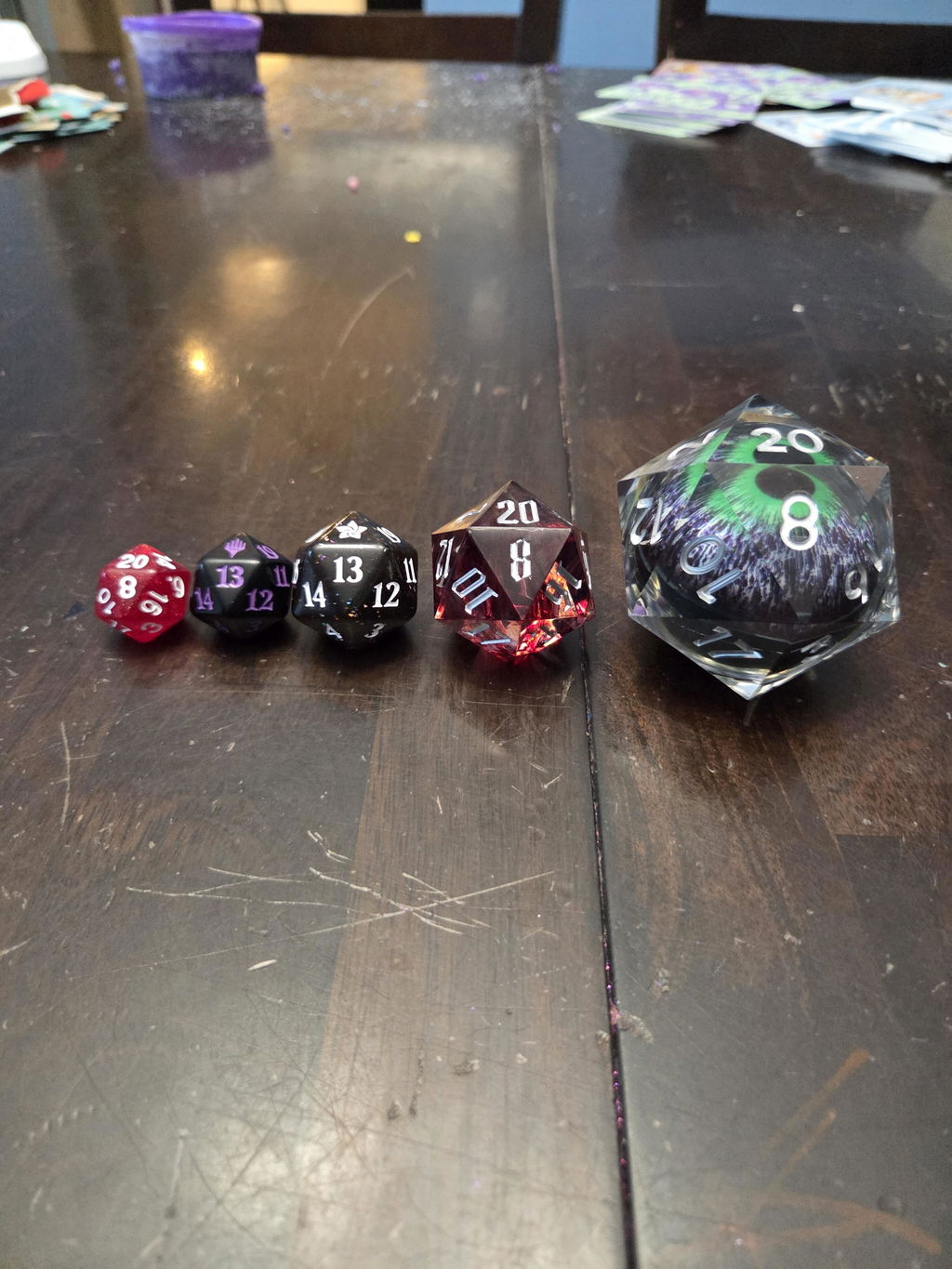
The 20 sided diceis composed of twenty equilateral triangles, which are evenly distributed around the center, forming a very symmetrical and beautiful three-dimensional shape. Each face is clearly marked with numbers from 1 to 20. The D20 die is also the most commonly used and representative die in the game Dungeons & Dragons. Almost all skill checks, attack checks, and immunity checks use the 20-sided die (D20 die), such as determining whether an attack hits the target and countering an enemy's attack; it can also be used for strength checks, dexterity checks, intelligence checks, charm checks, and so on. As the most representative dice, the D20 dice is undoubtedly the most core cool dice.

Get Your D20 Dice Now
D100 dice

The D100 dice often referred to simply as "100 sided dice"—is a specialized die featuring 100 distinct faces. It is frequently designed to resemble a golf ball, utilizing its various facets or numerical markings to generate random results ranging from 1 to 100. Upon rolling, players obtain a specific numerical value between 1 and 100, which is then used to resolve various probability-based determinations. In Dungeons & Dragons, the D100 is commonly employed to generate random events, such as loot drops, the triggering of magical effects, critical hit determinations, or random narrative encounters.

Get Your D100 Dice Now
Custom dnd dice

customized dice sets : We can engrave or print text, symbols, special numbers, logos, and patterns on dnd dice made of resin, acrylic, gemstones, glass, and metal. Both the color and style of the dice can be customized. Ideal for wedding gifts, souvenirs, personalized character dice, unique role-playing game dice, branded dice, and board game promotions.

Start Designing DND dice

What games can be played with these DND dice sets?

These DND dice sets can be used to play tabletop role-playing games such as Dungeons & Dragons, Baldur's Gate 3, Call of Cthulhu, Pathfinder, Warhammer 40K, Starfinder, Savage Worlds, and Shadowrun.

In addition, we have prepared free dice game rules tutorials for you, including Yahtzee, Farkle, Bunco, Beer Dice, DND, and more, allowing you to easily get started with various dice games.

US Domestic Shipping
Fast delivery from USA warehouse
Premium Quality
Precision crafted dice sets
24/7 Support
We're here to help anytime
Easy Returns
30-day hassle-free returns