Call of Cthulhu 7th Edition Rules: The Ultimate Tabletop RPG Guide

Step into a world of cosmic horror, fragile sanity, and deep investigations. As the premier horror tabletop system, the Call of Cthulhu RPG (originally inspired by the weird fiction of HP Lovecraft) offers an immersive change of pace from traditional high-fantasy dungeon crawlers. Instead of playing invincible warriors, you portray ordinary investigators uncovering forbidden mysteries.
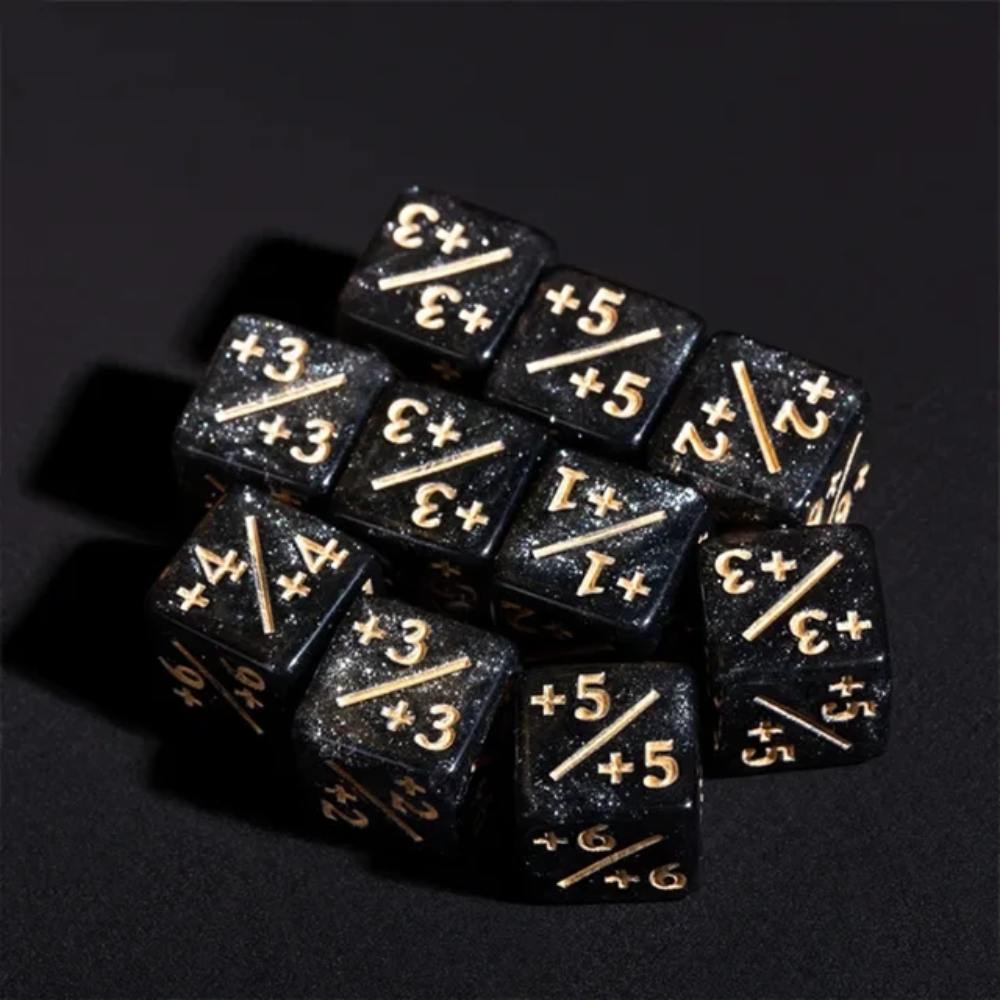
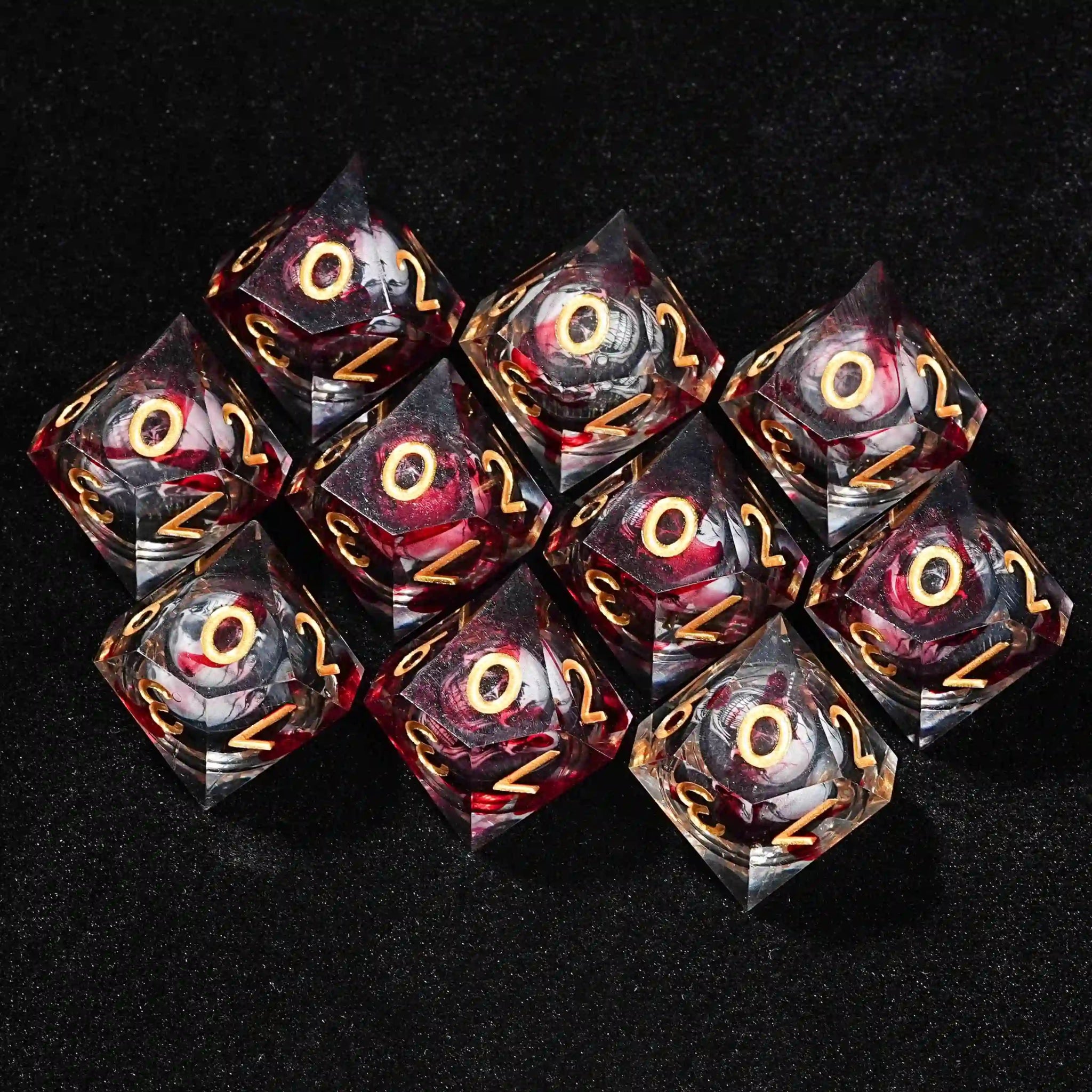
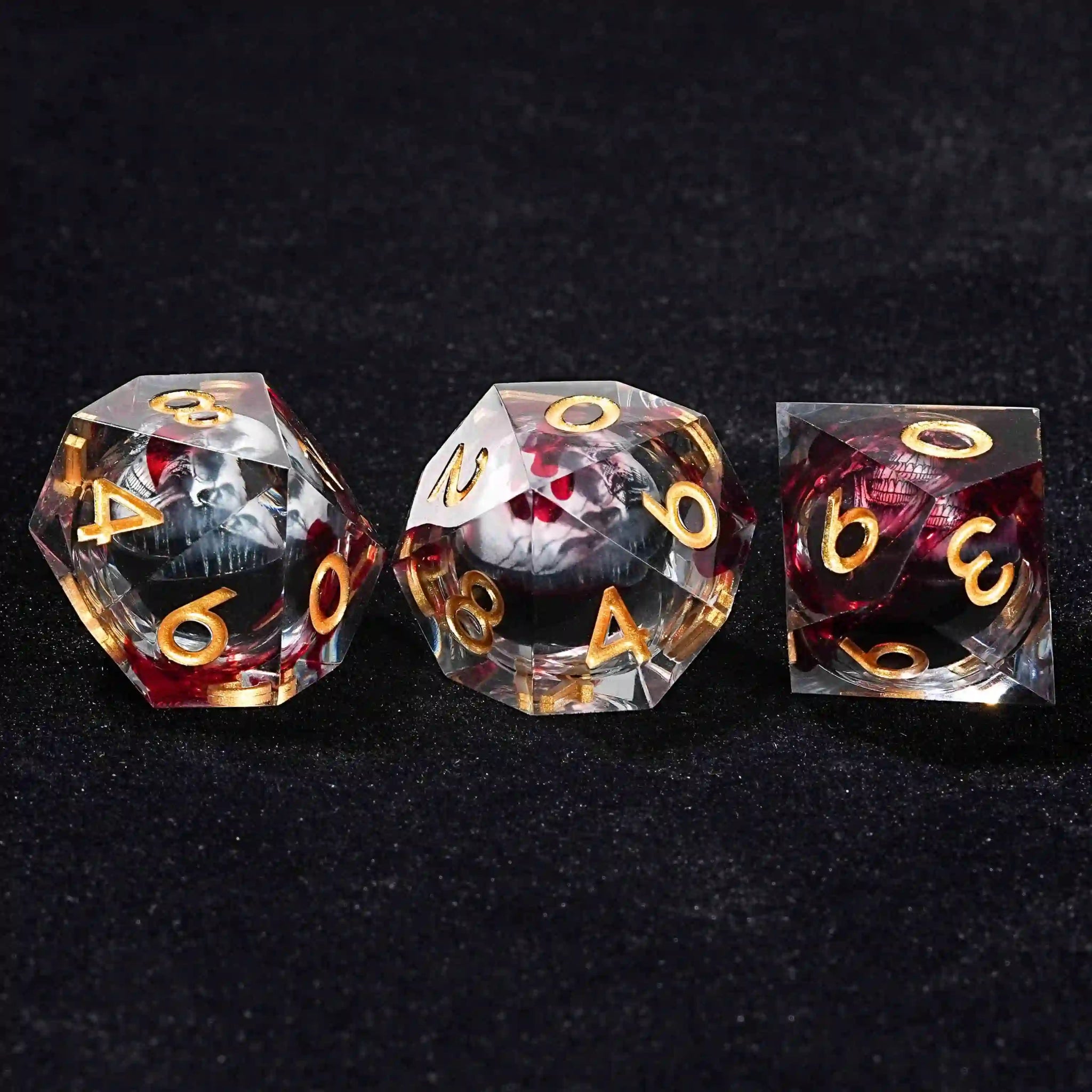
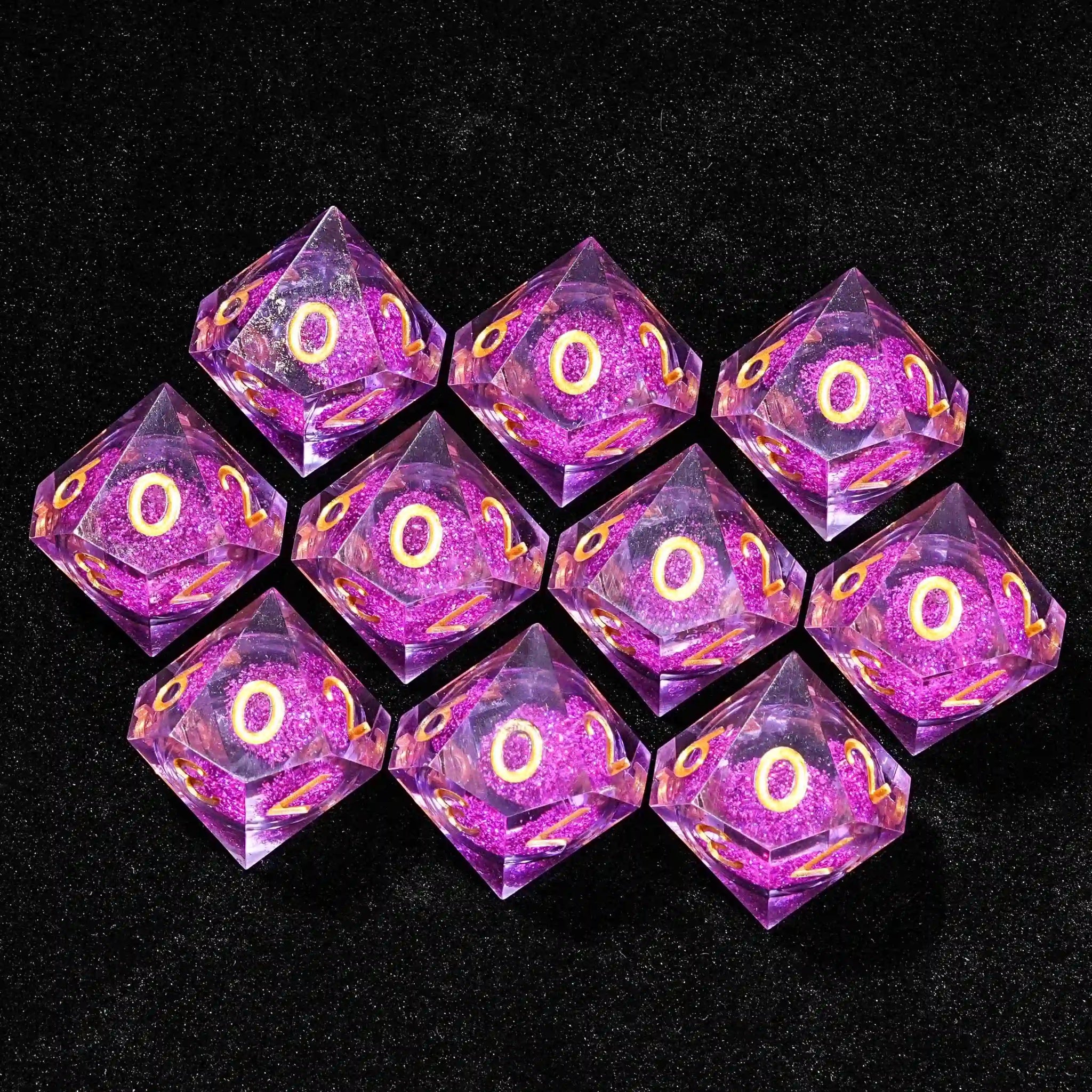
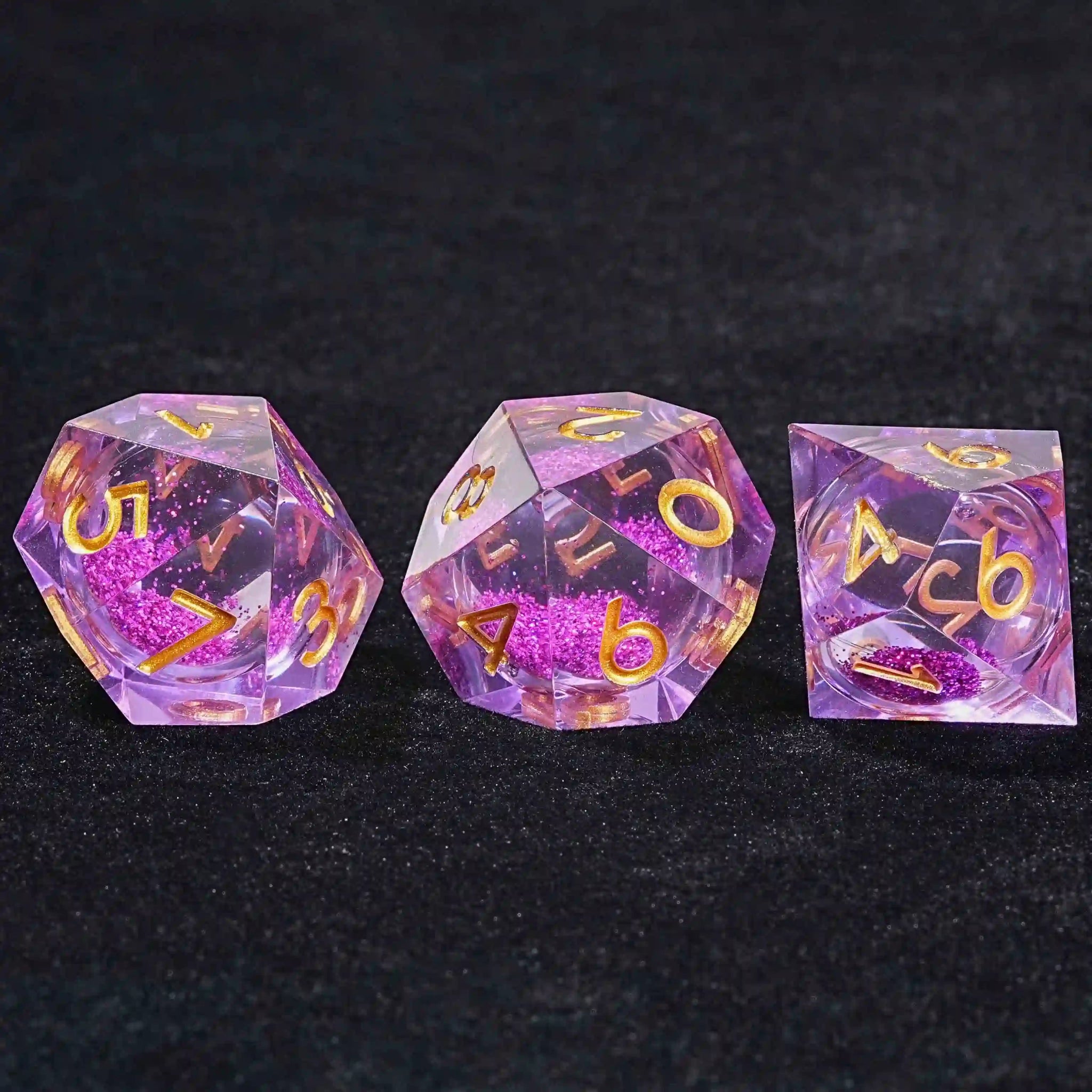
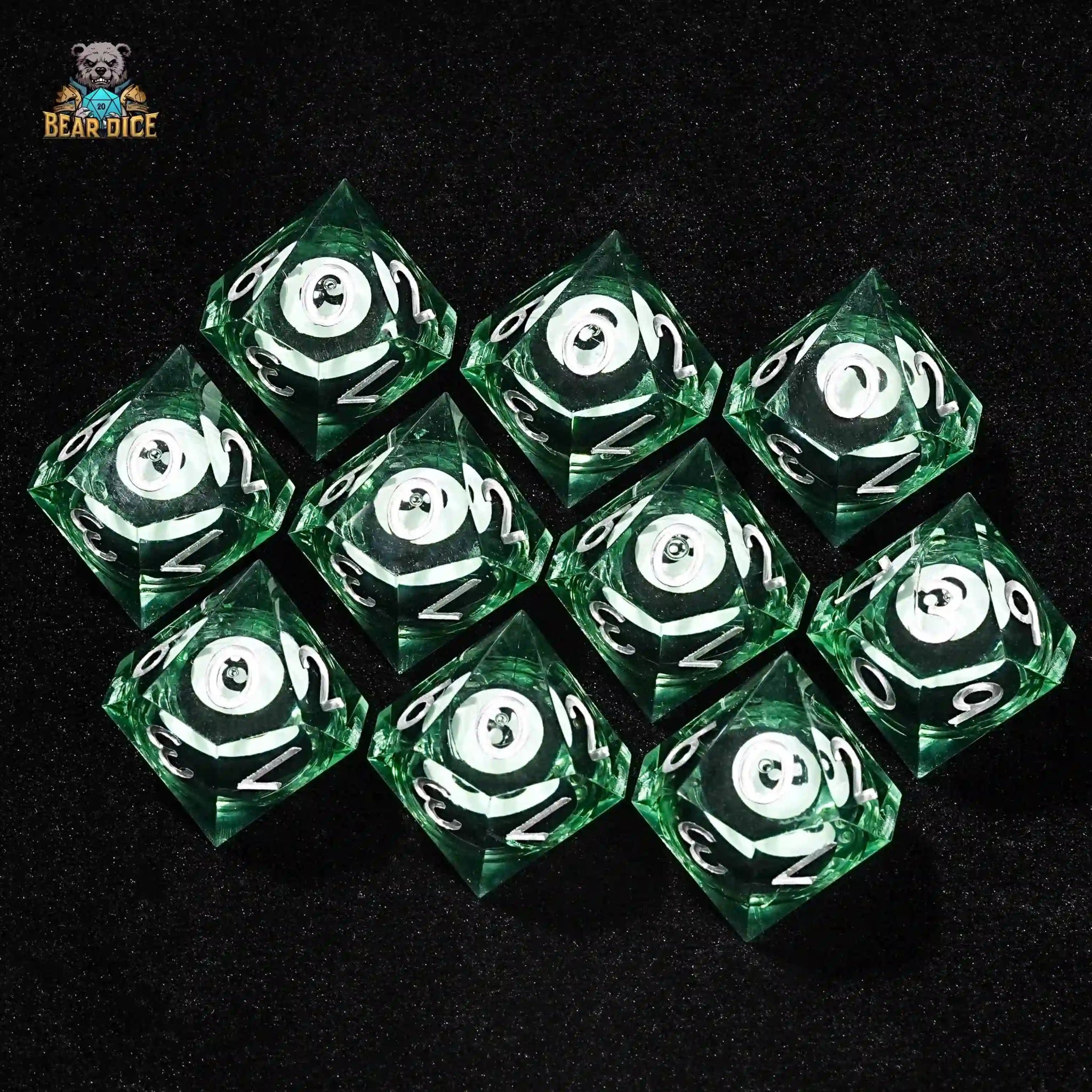
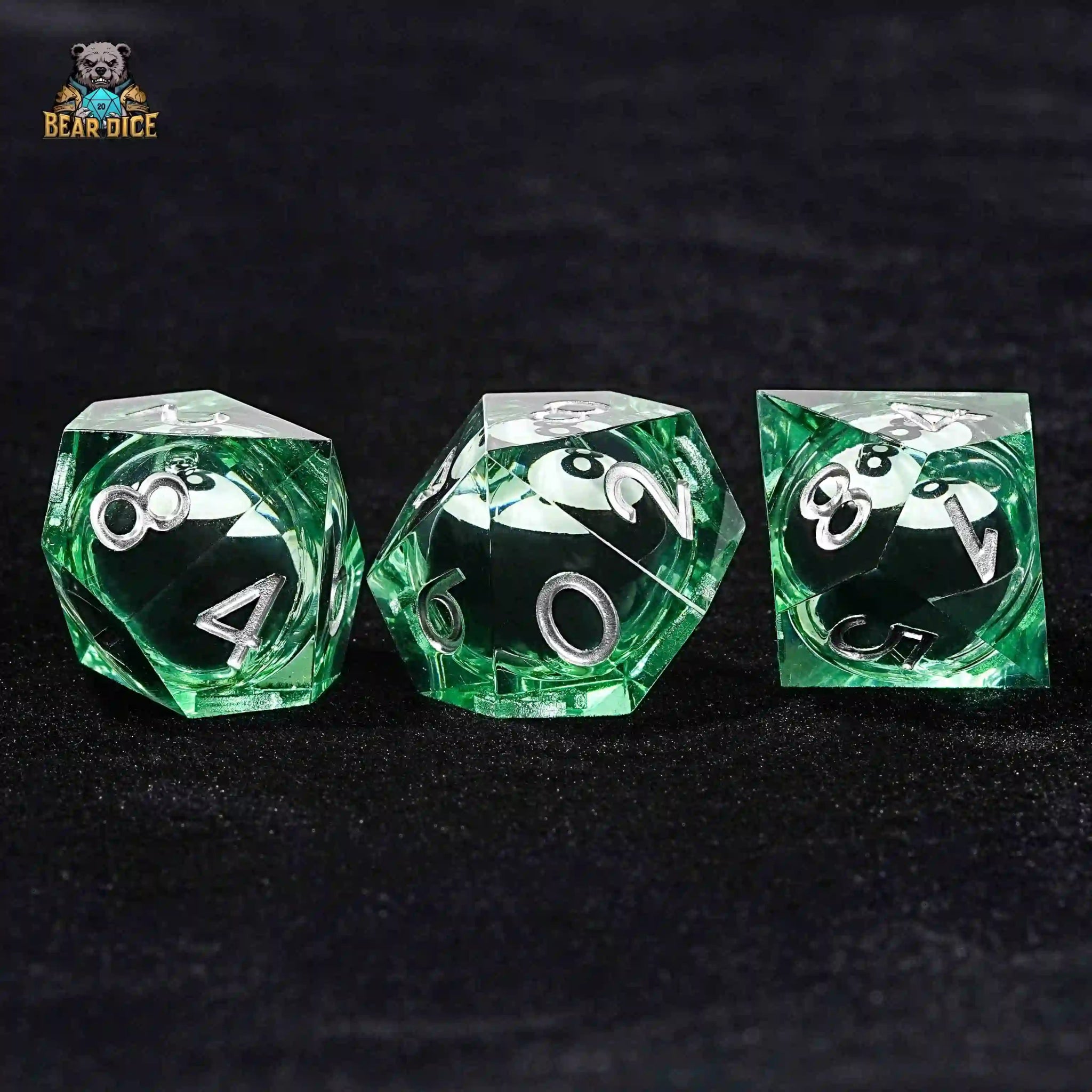
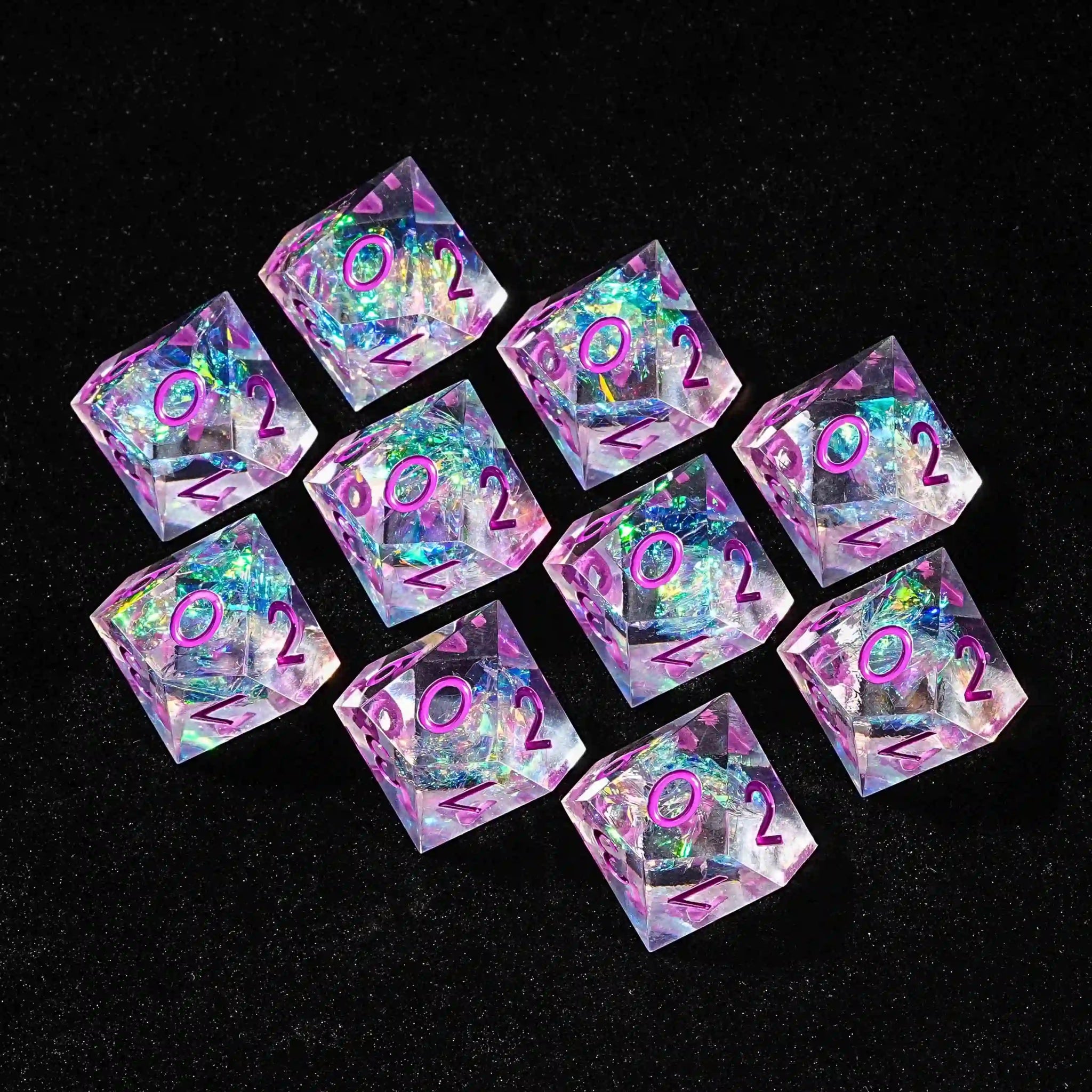
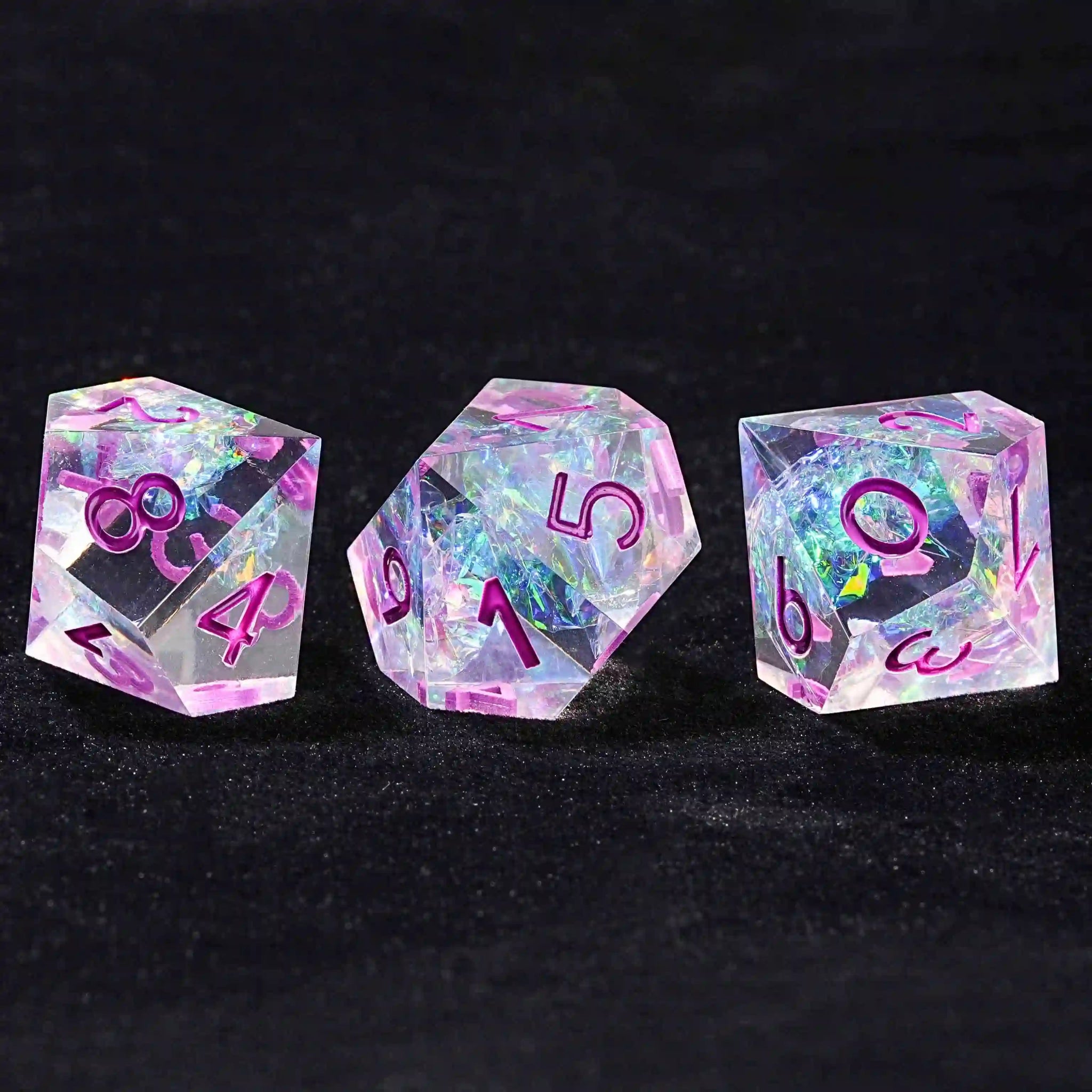
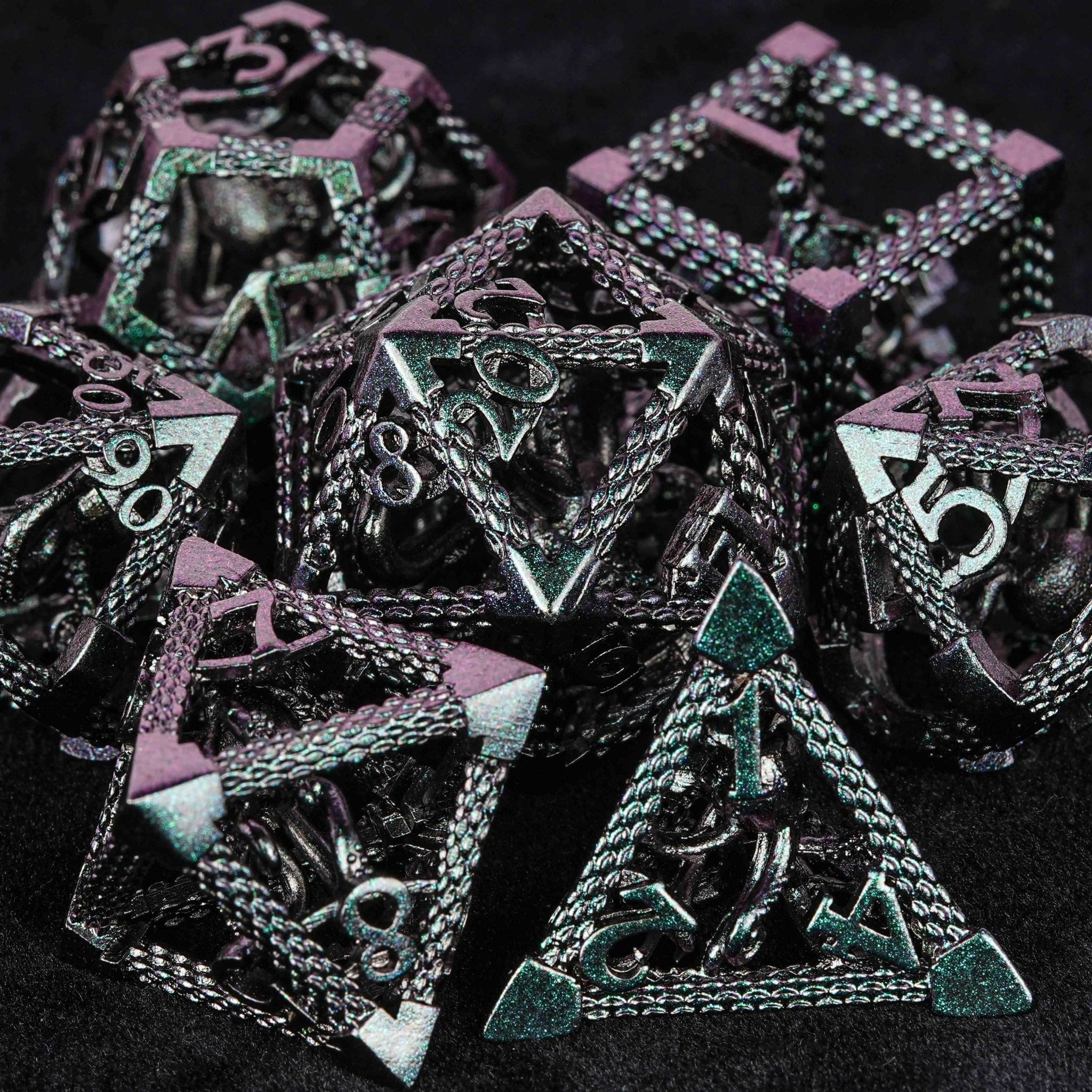
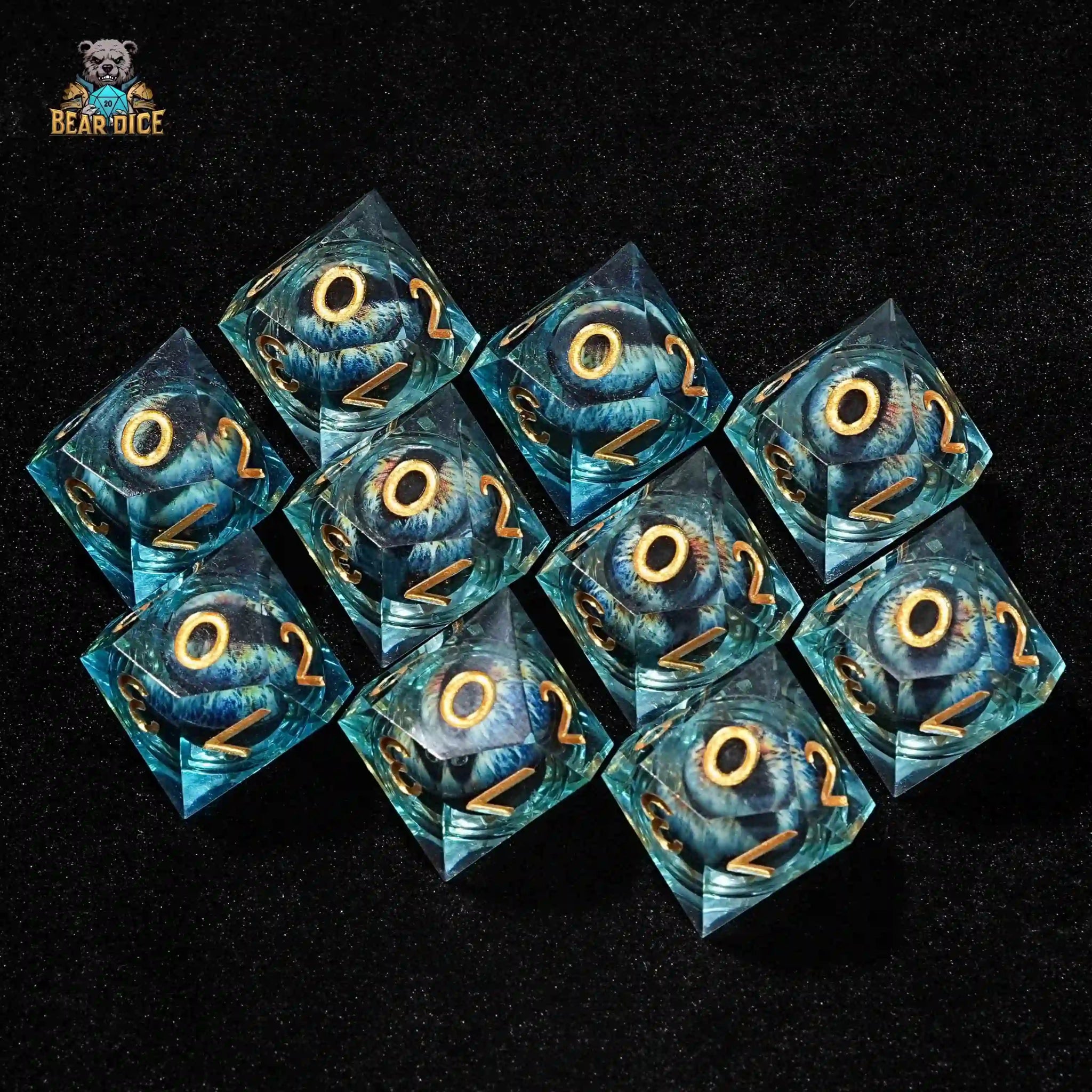
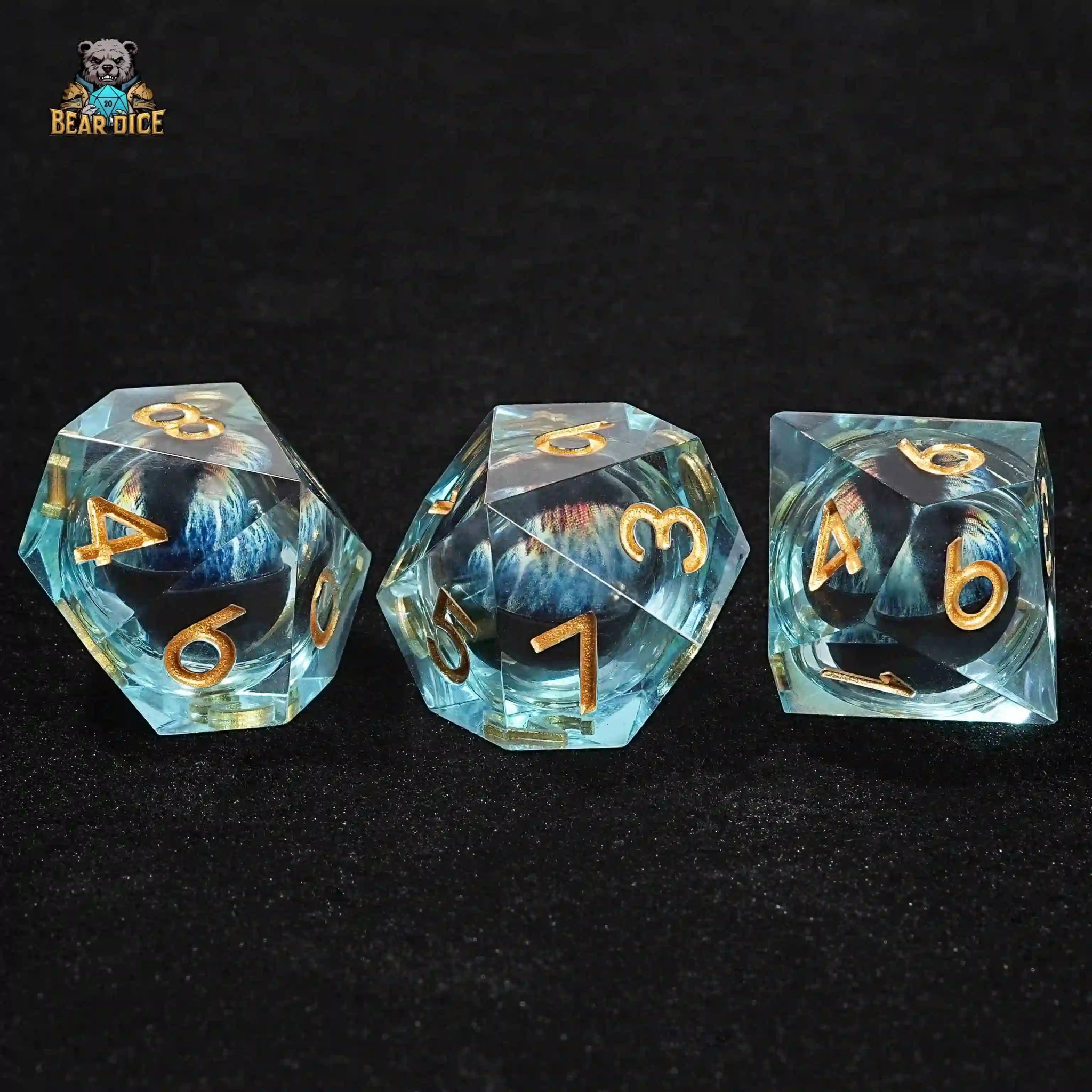
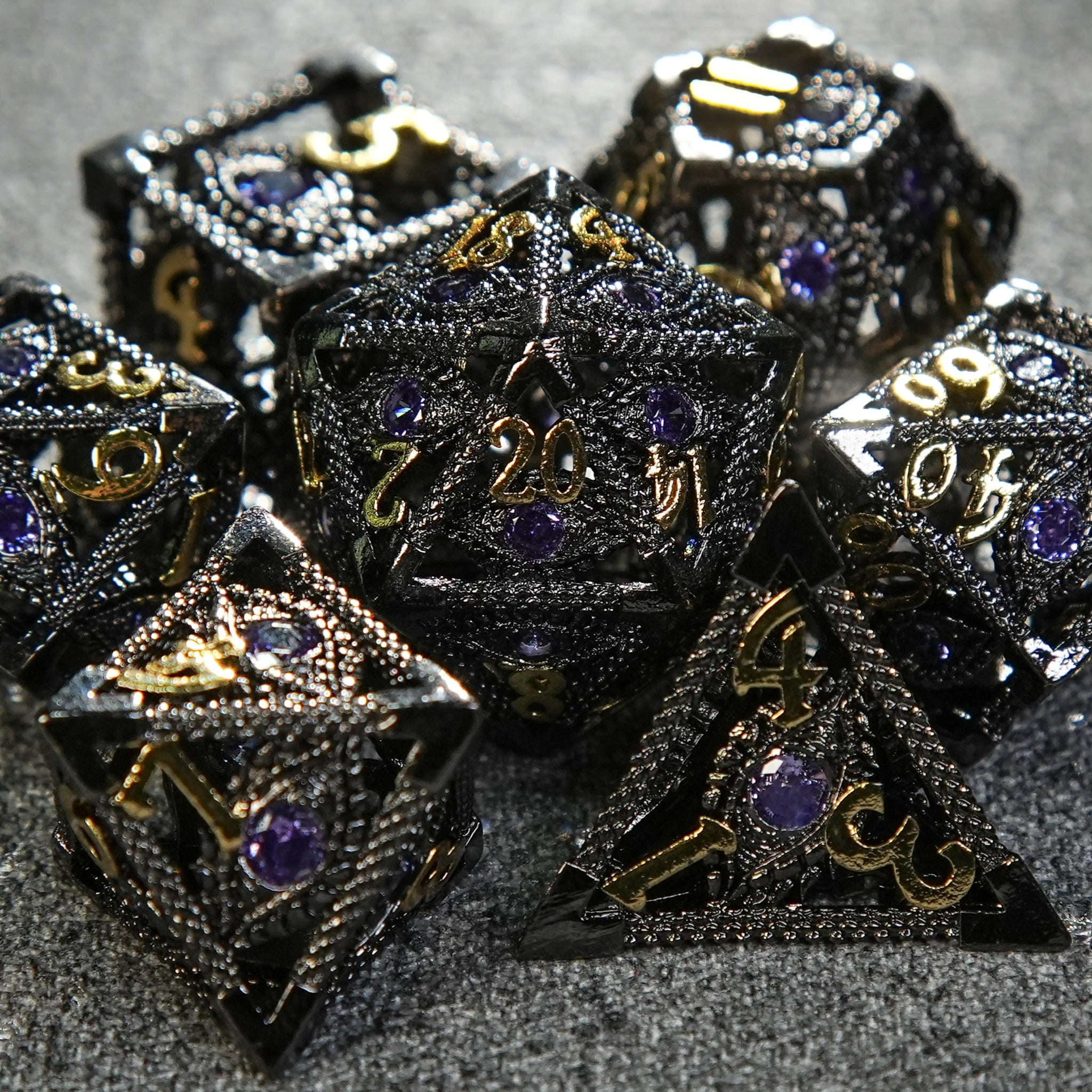
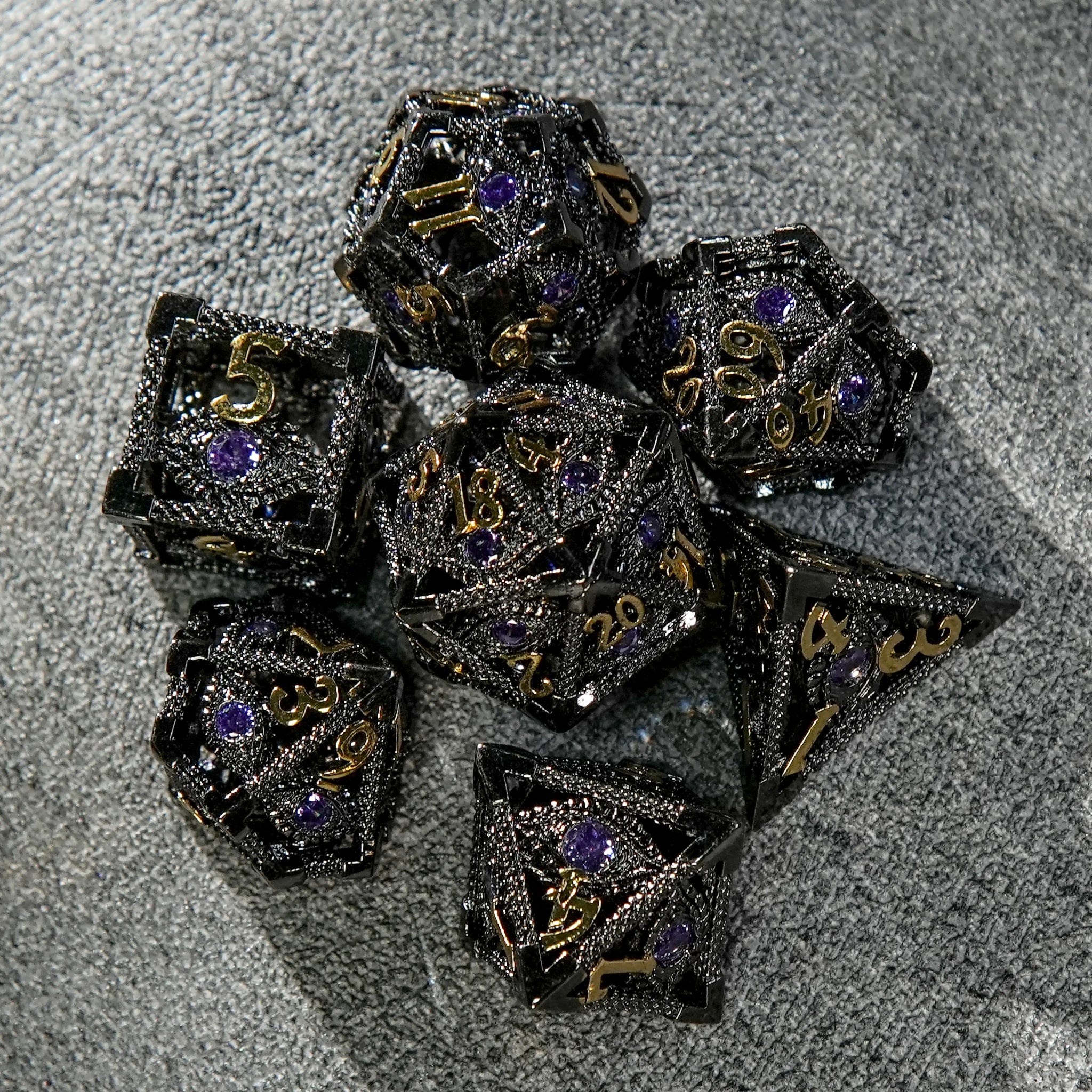
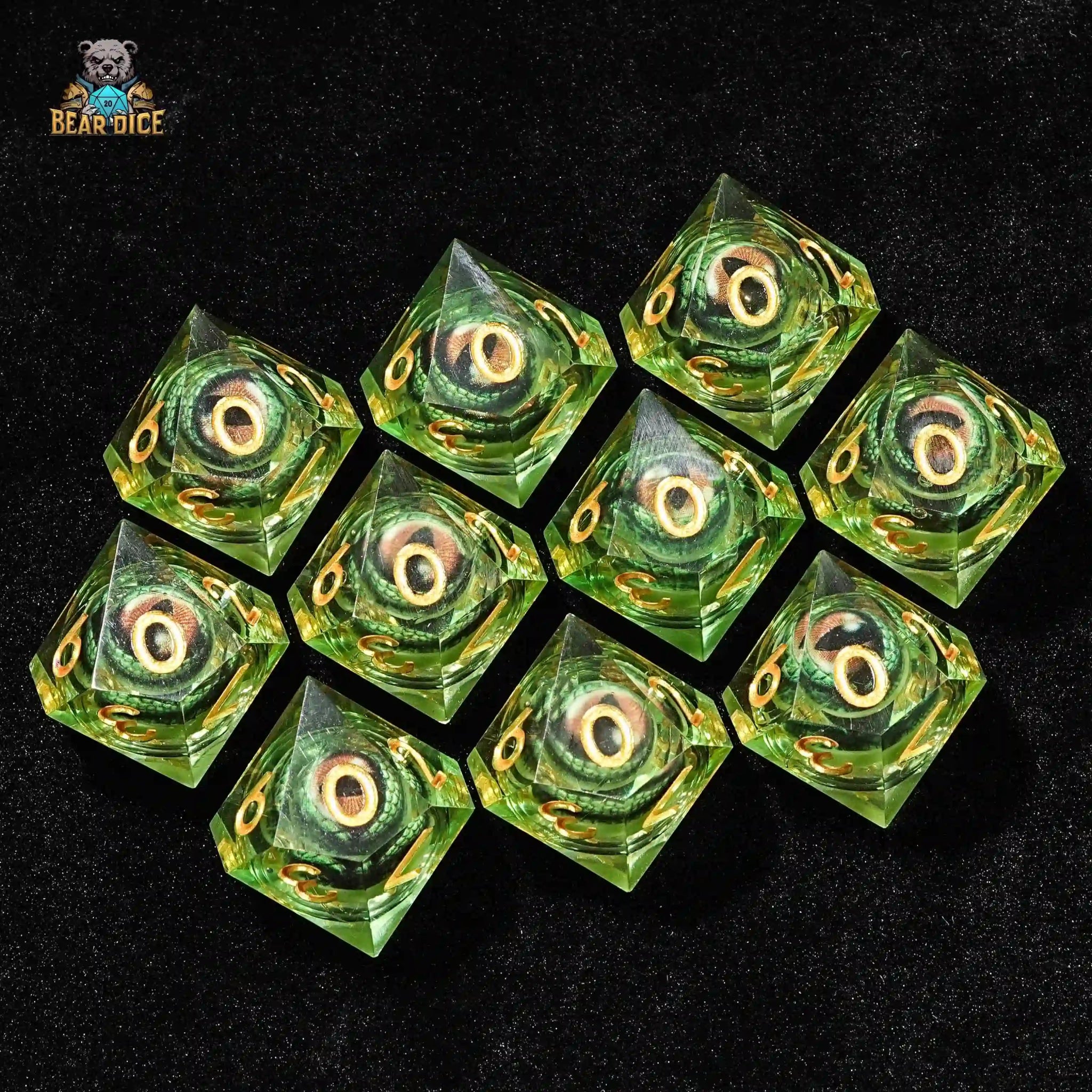
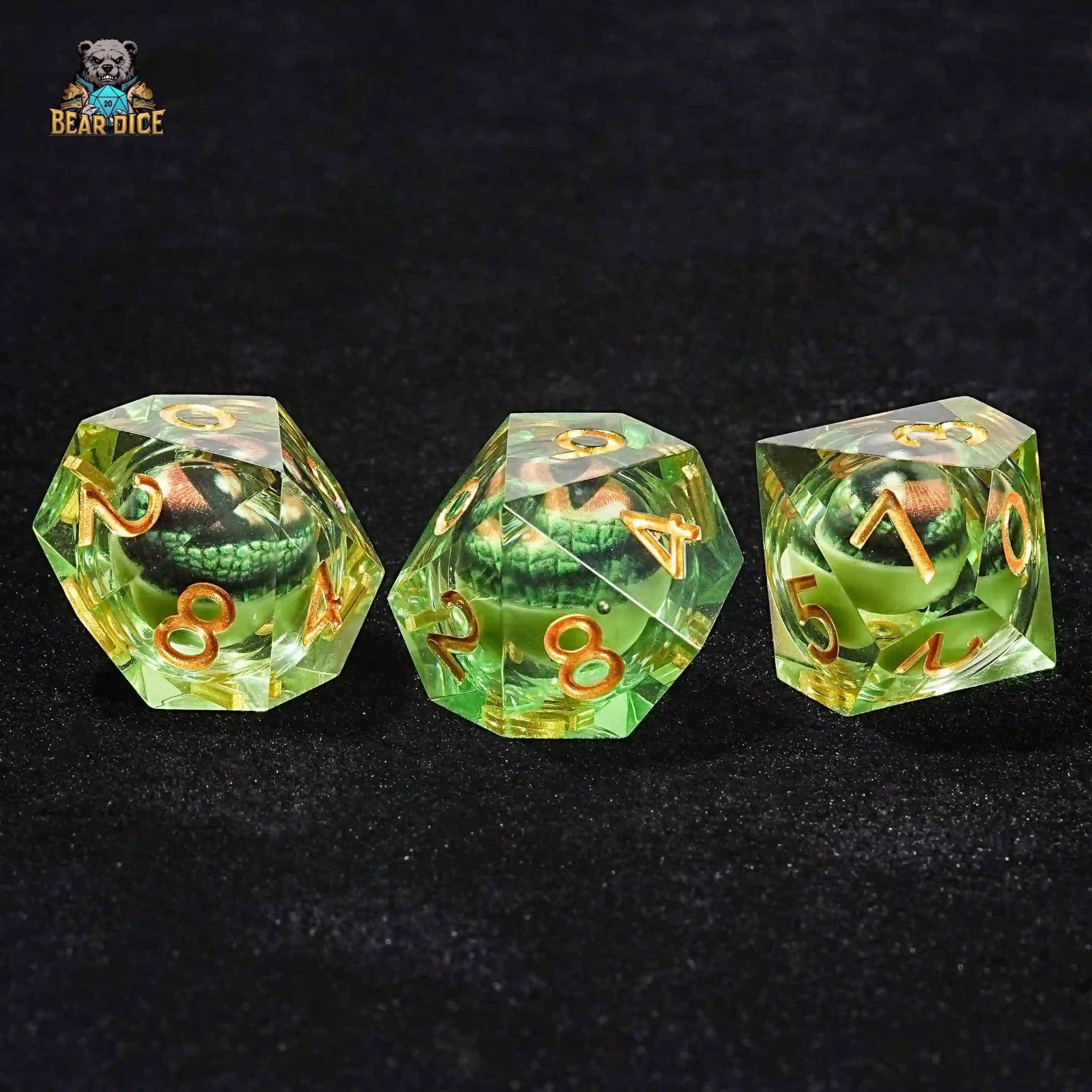
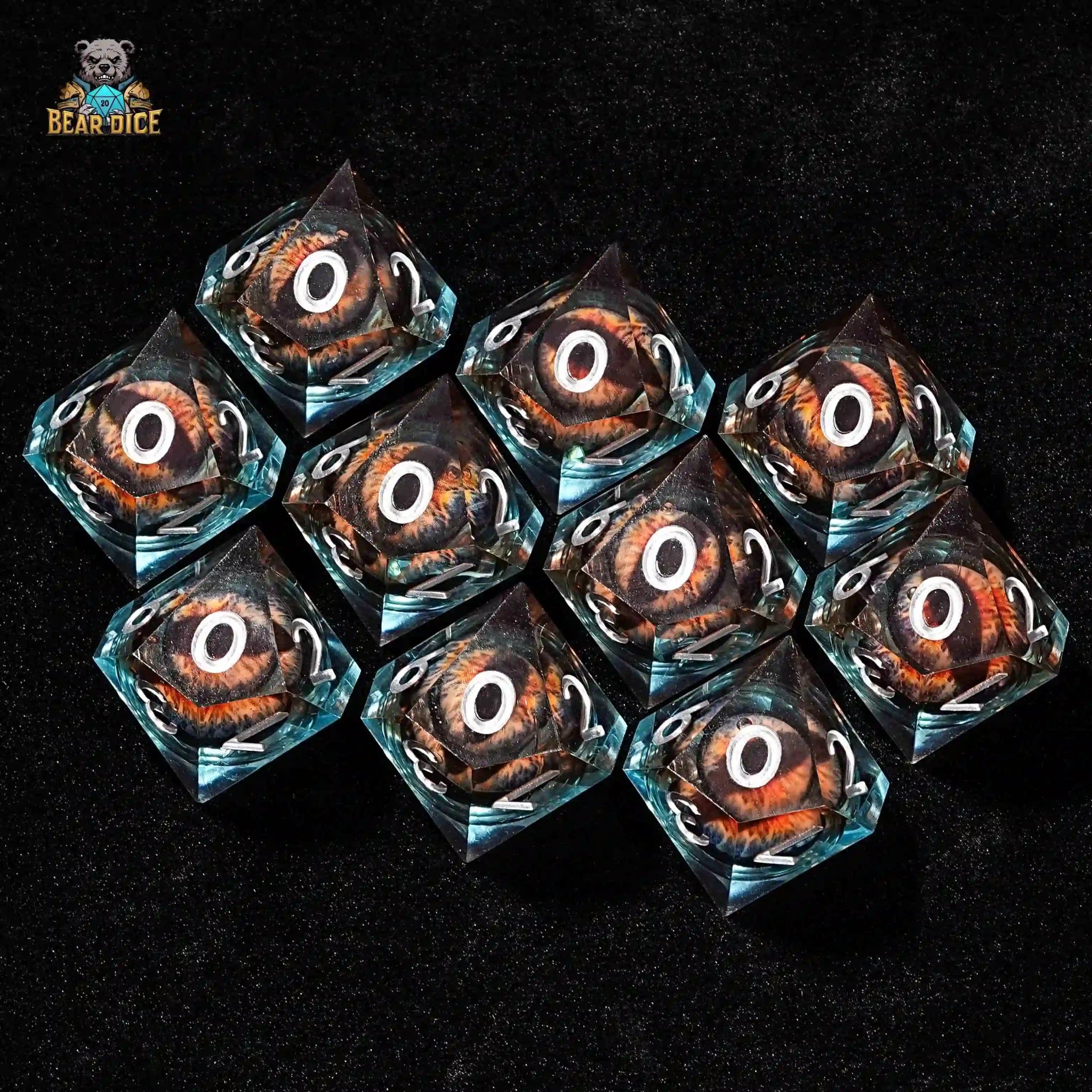
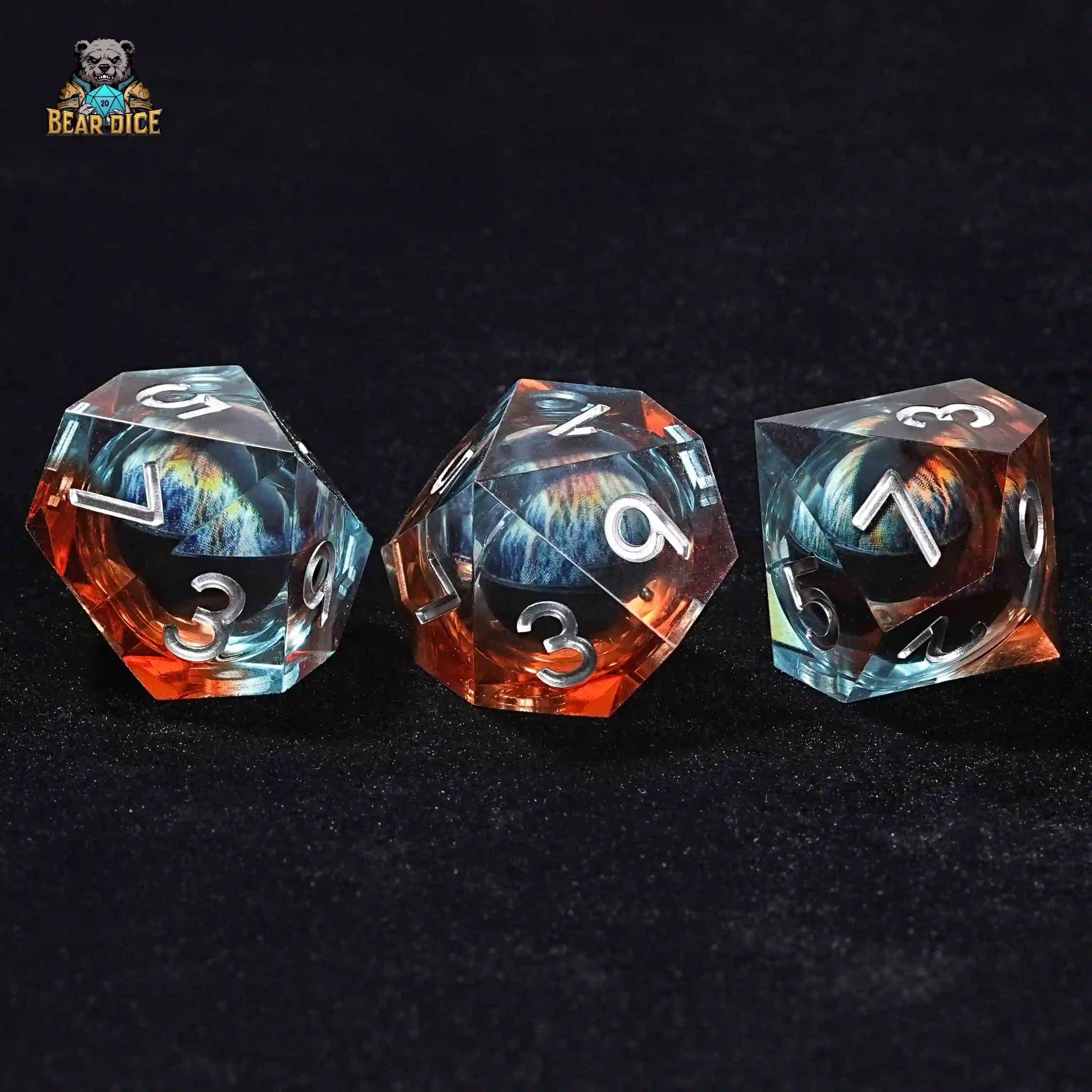
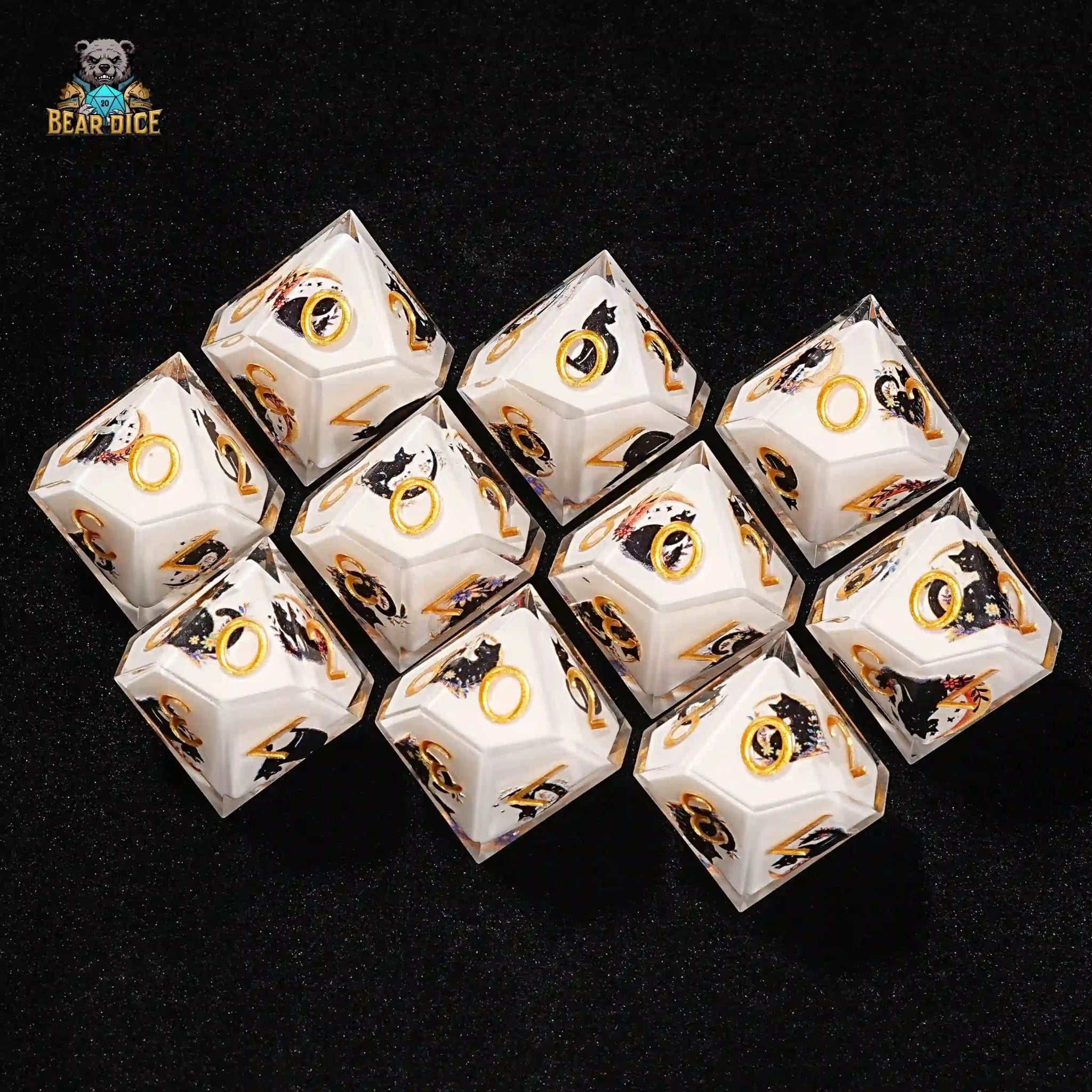
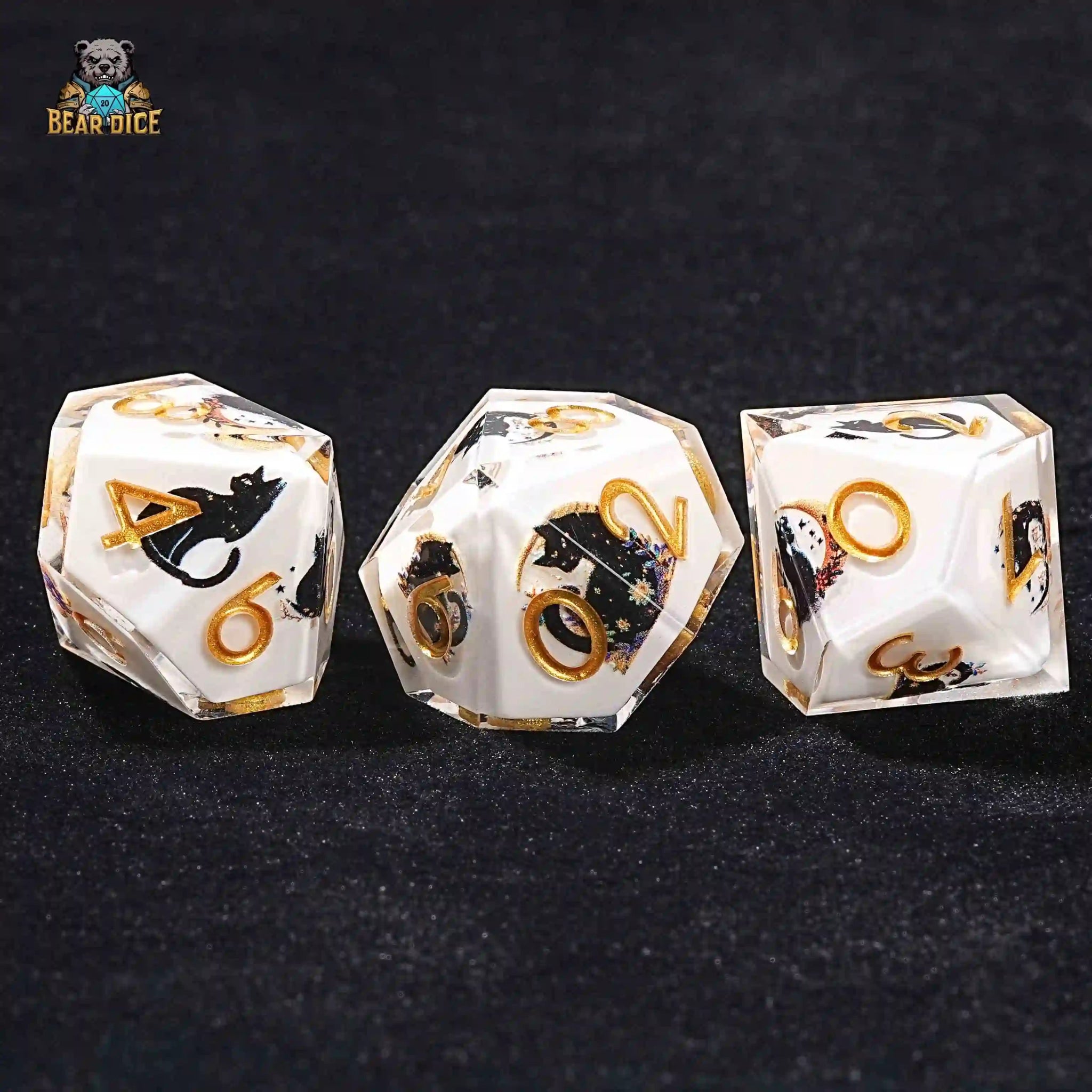
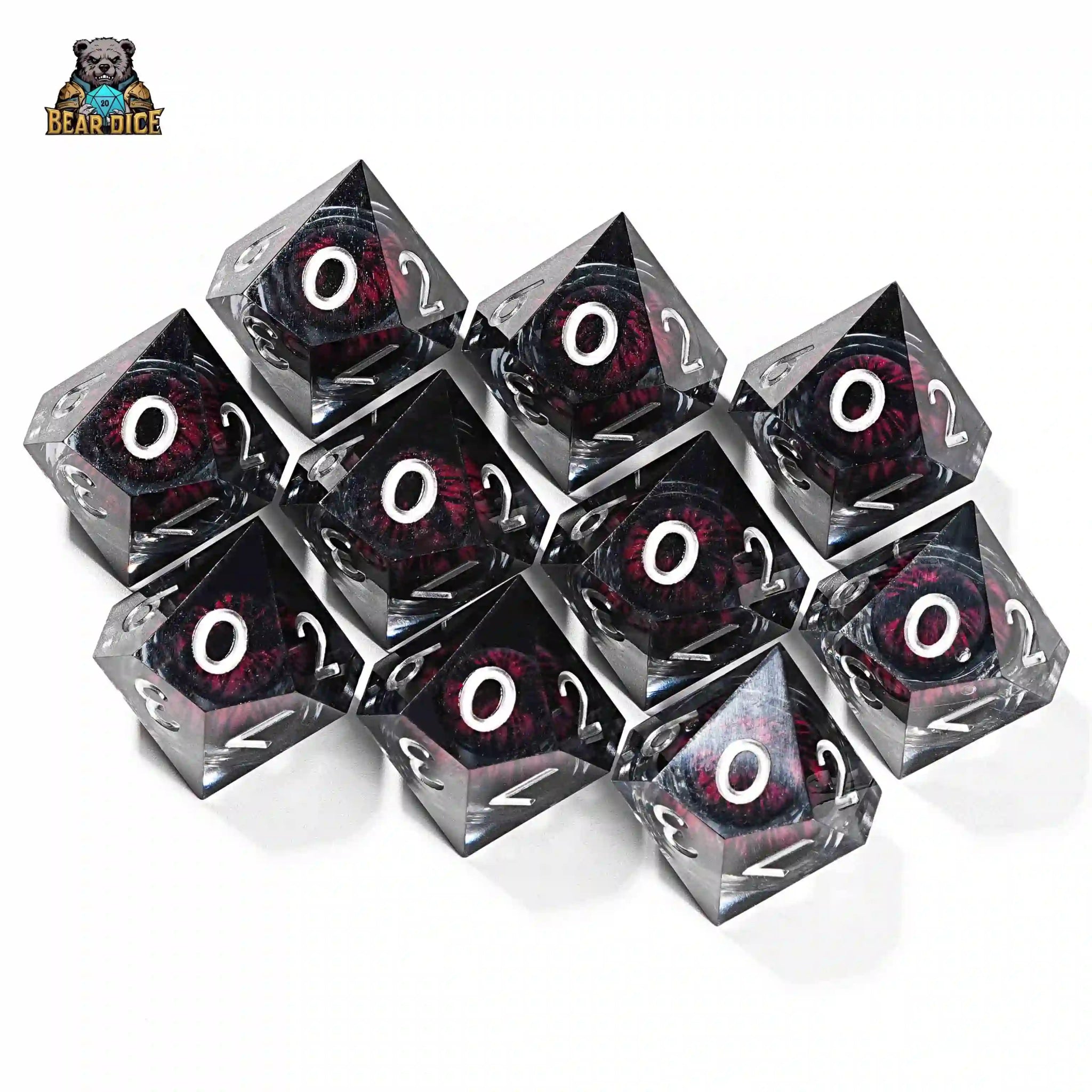
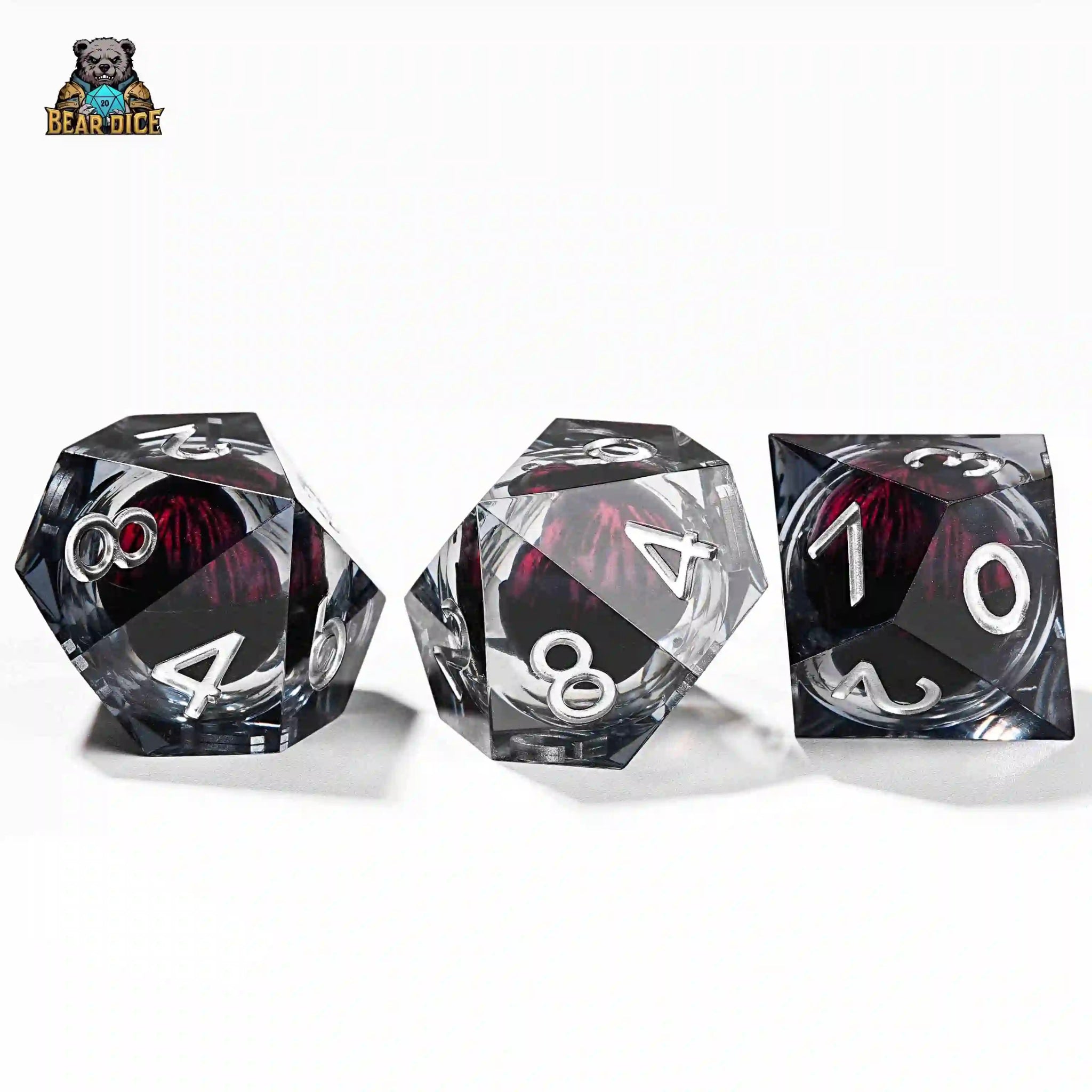
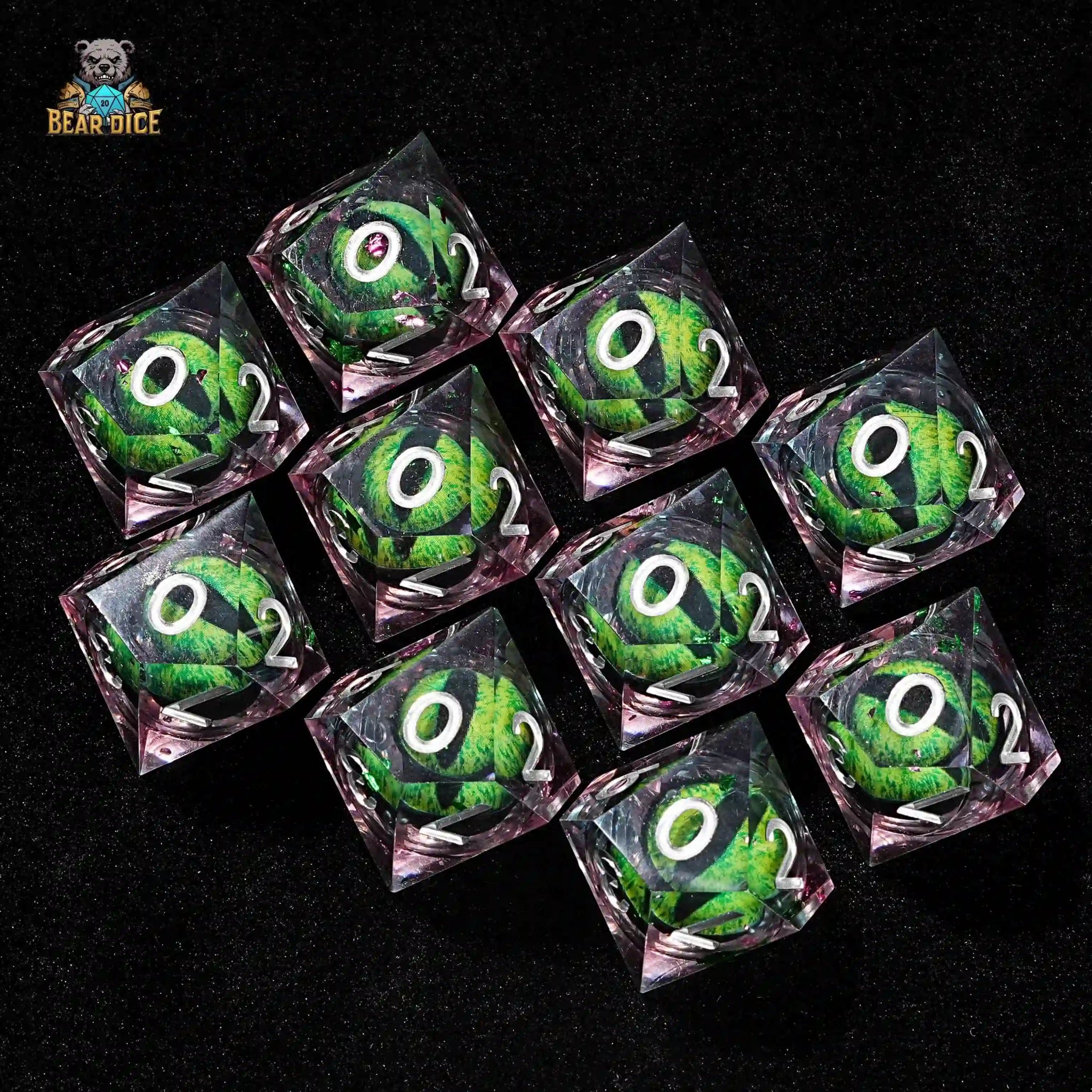
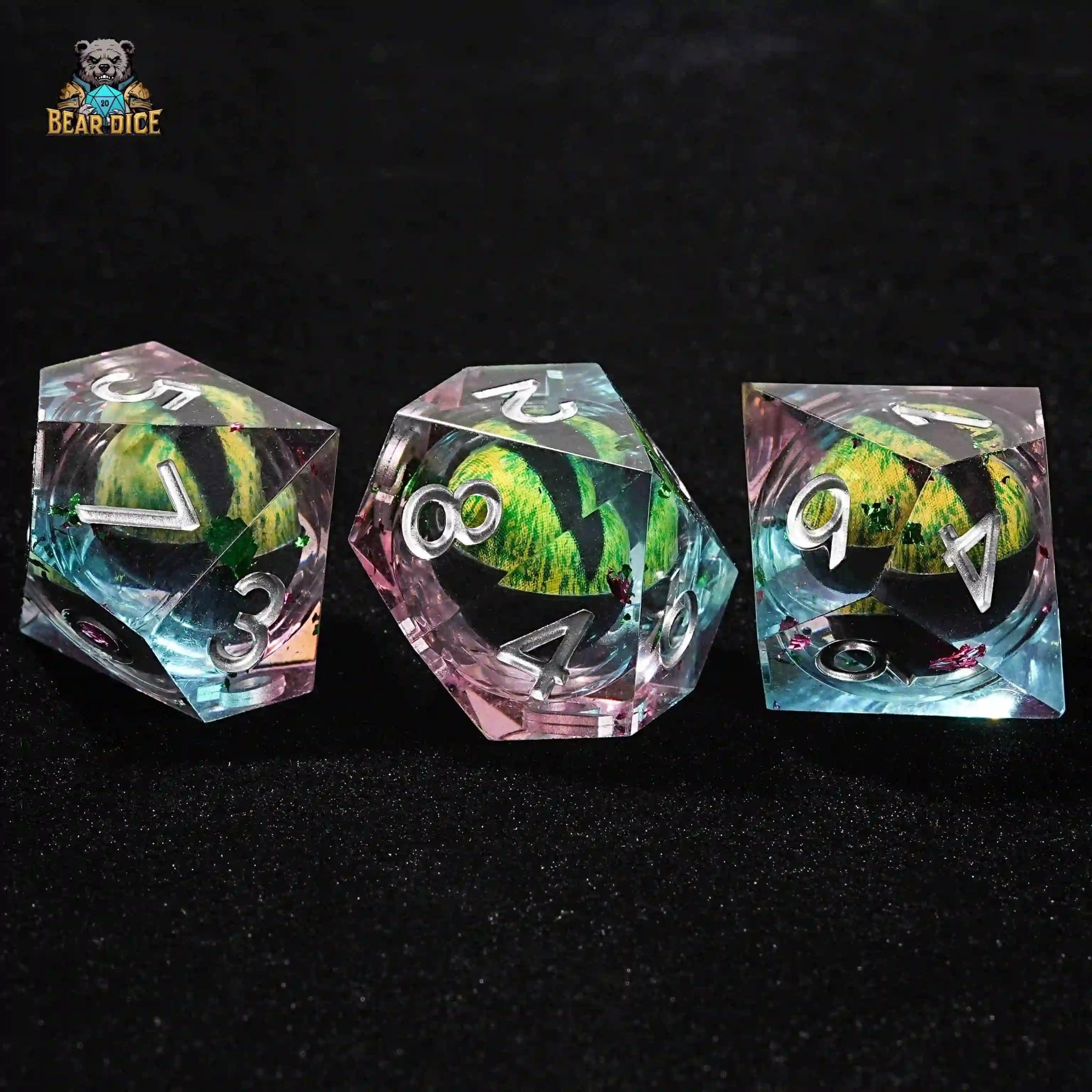
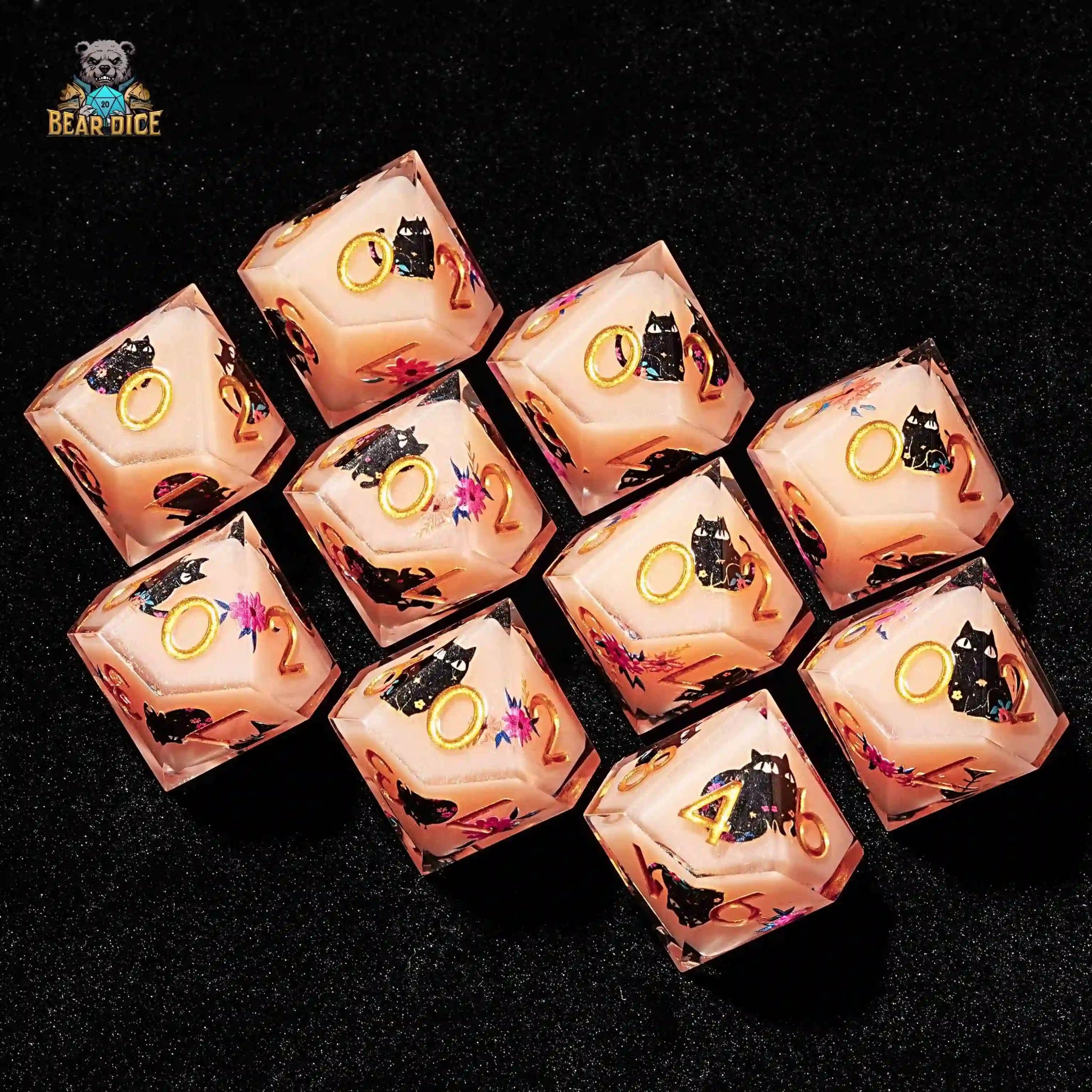
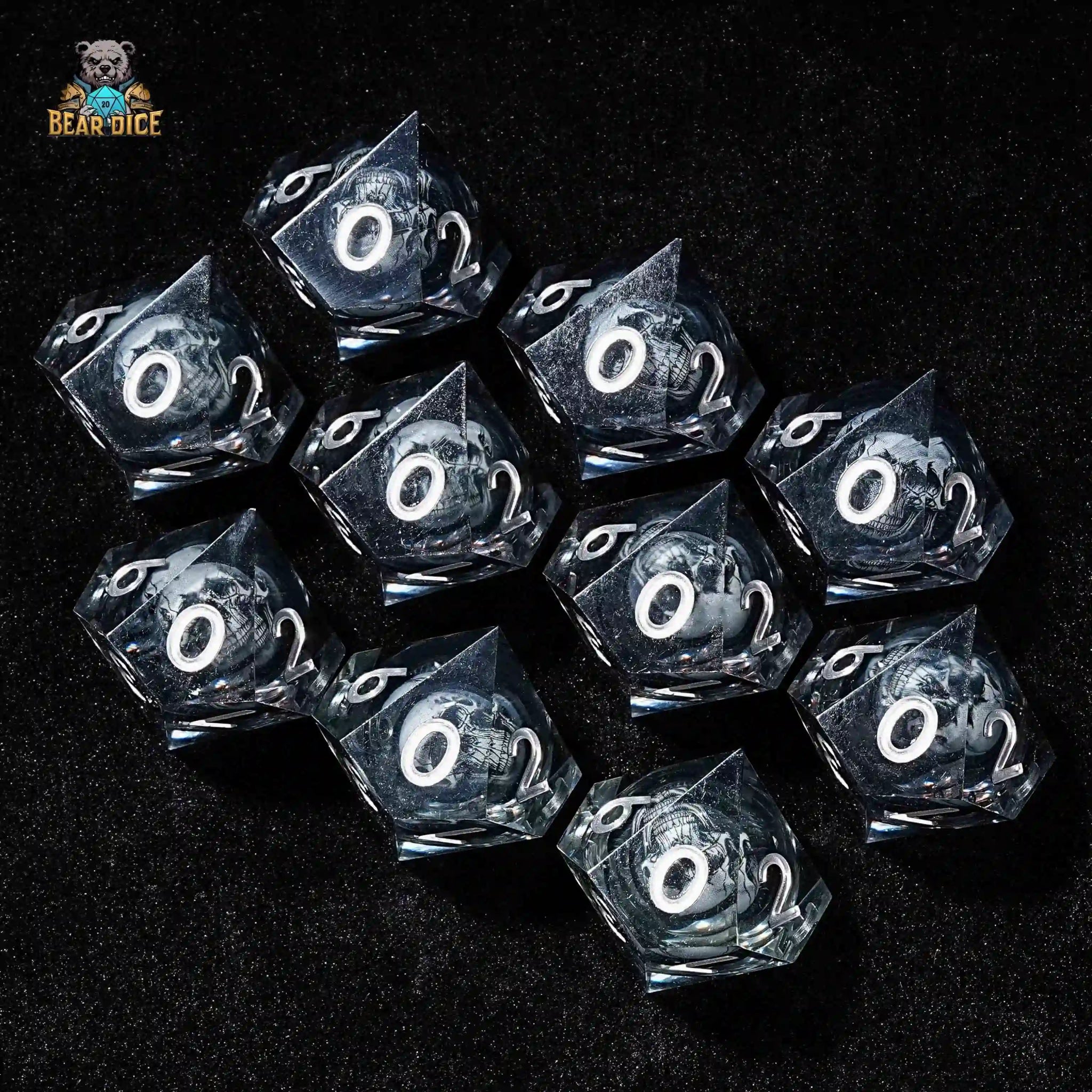
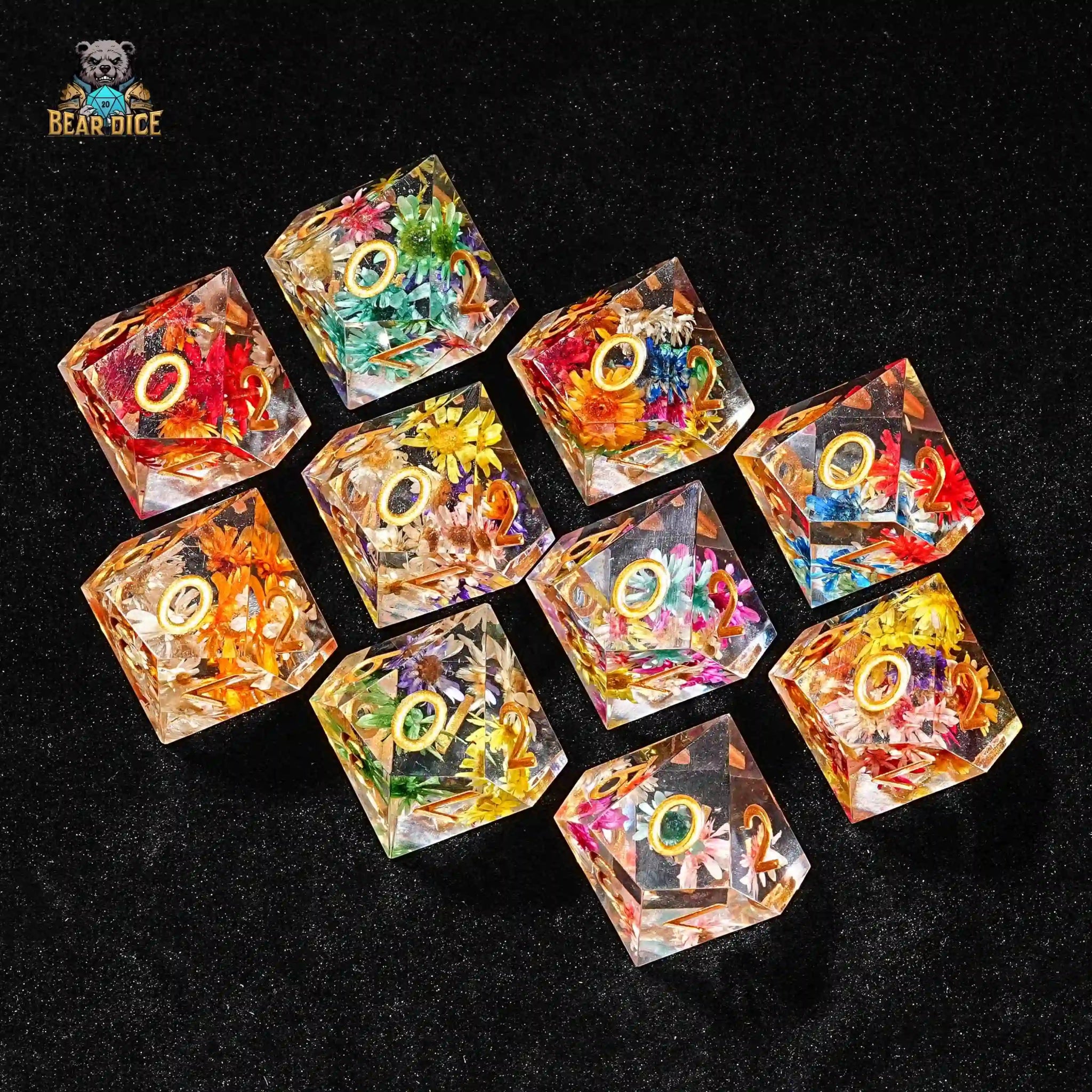
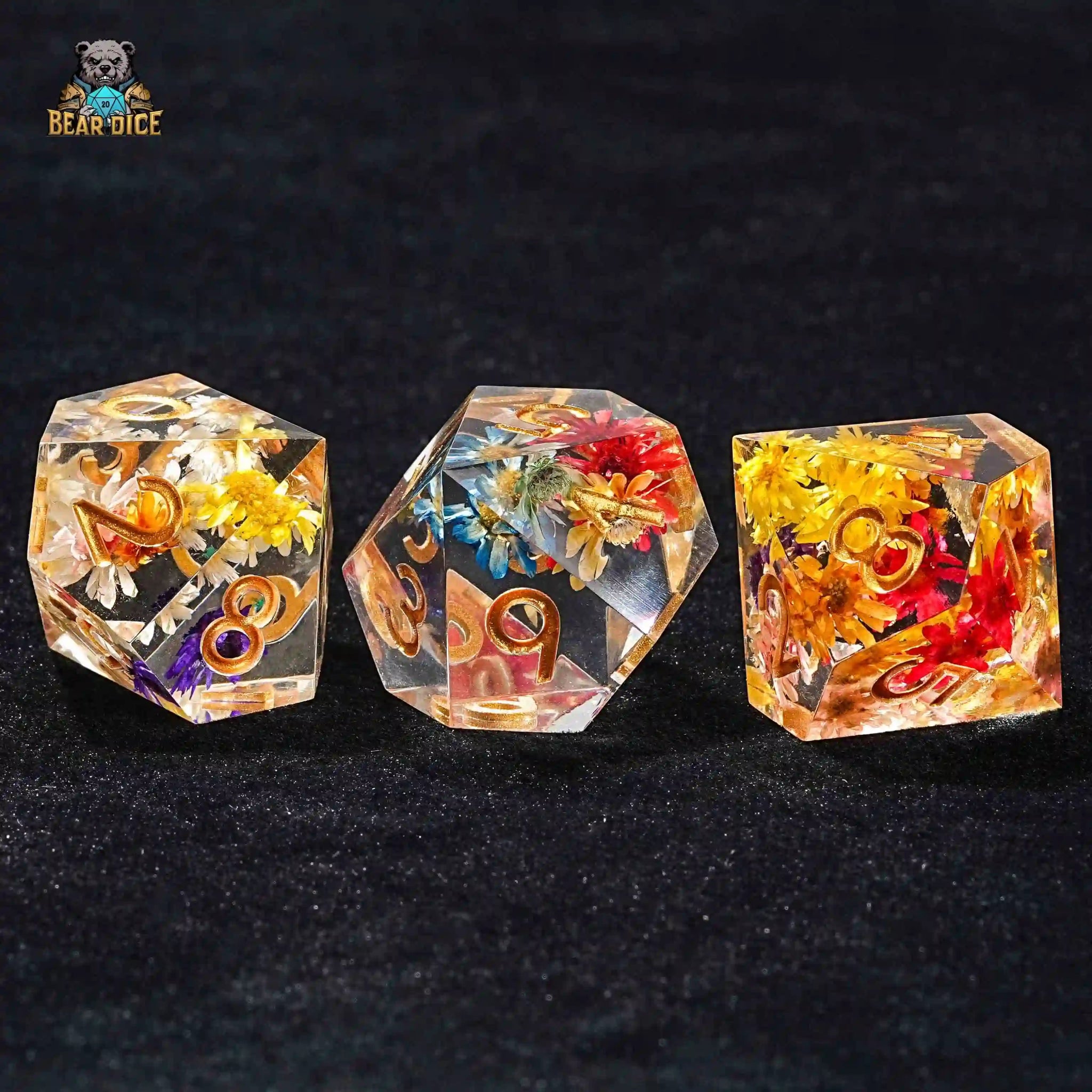
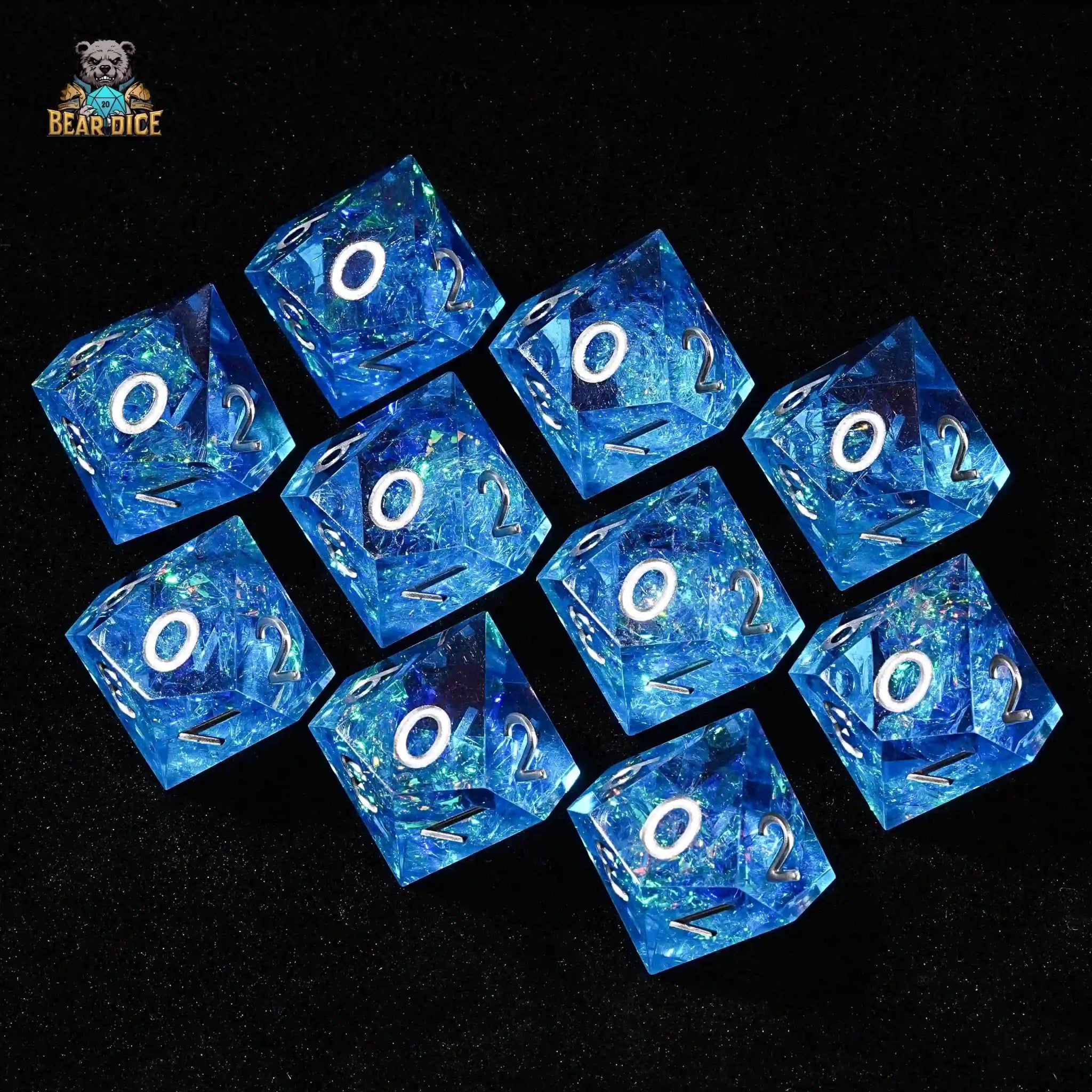
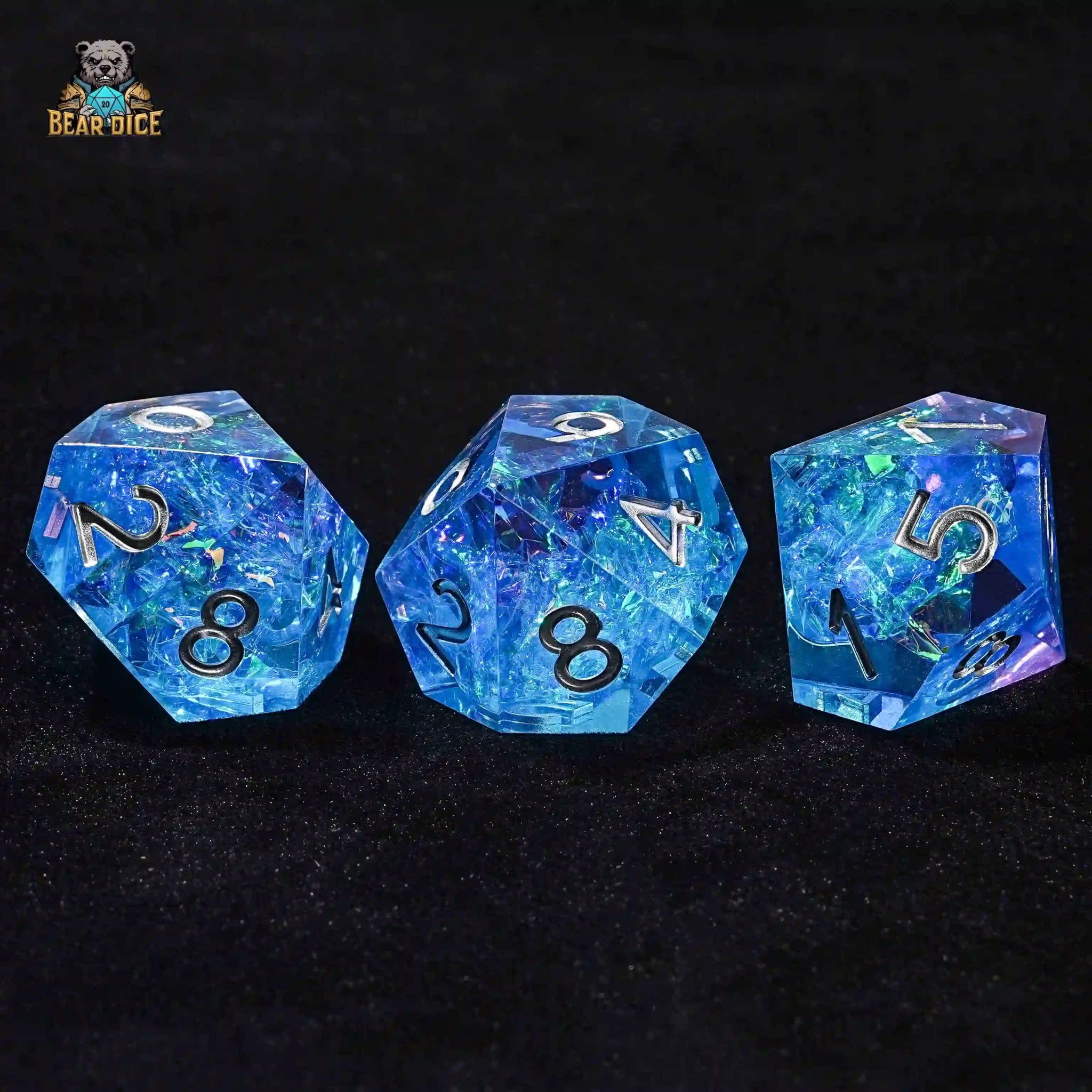
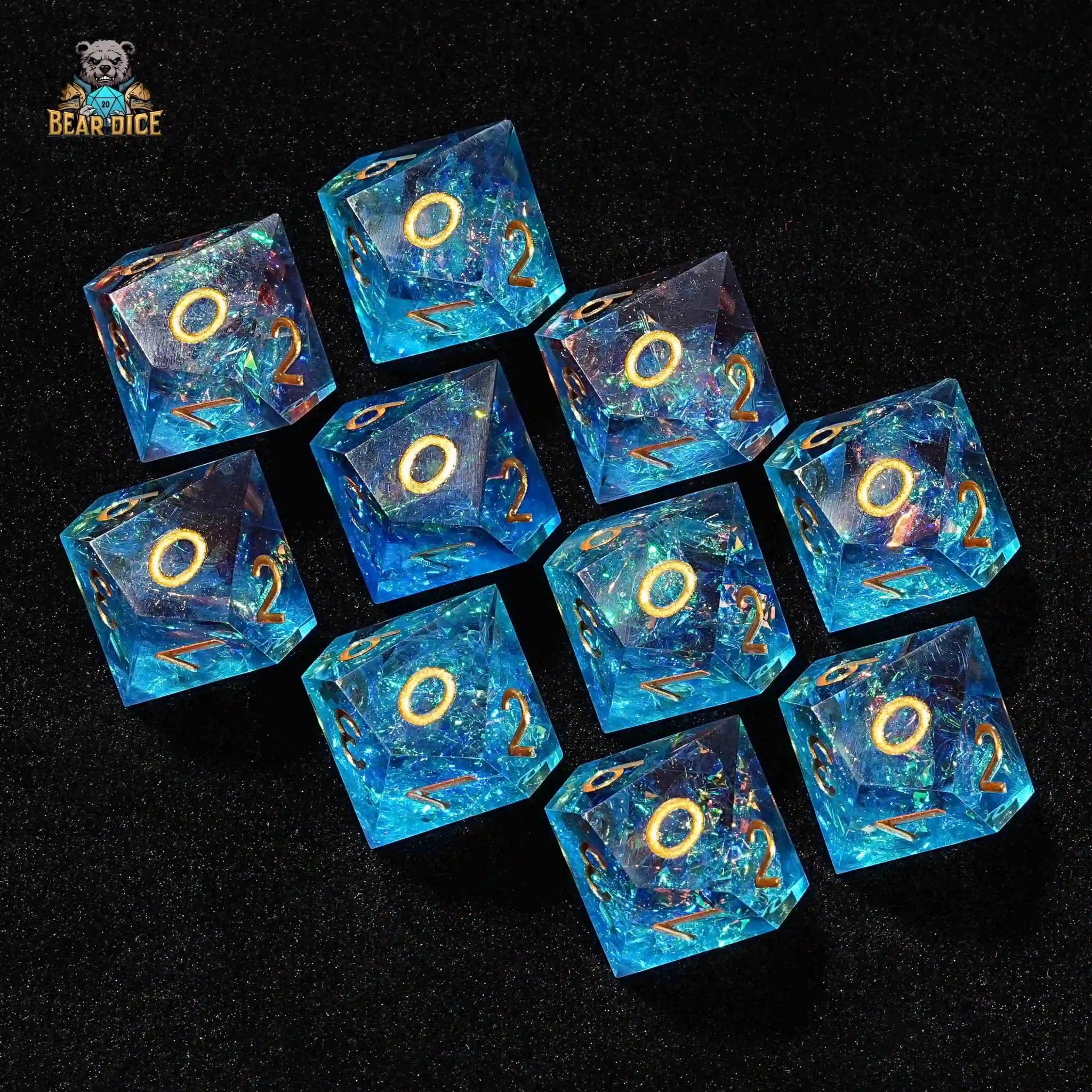
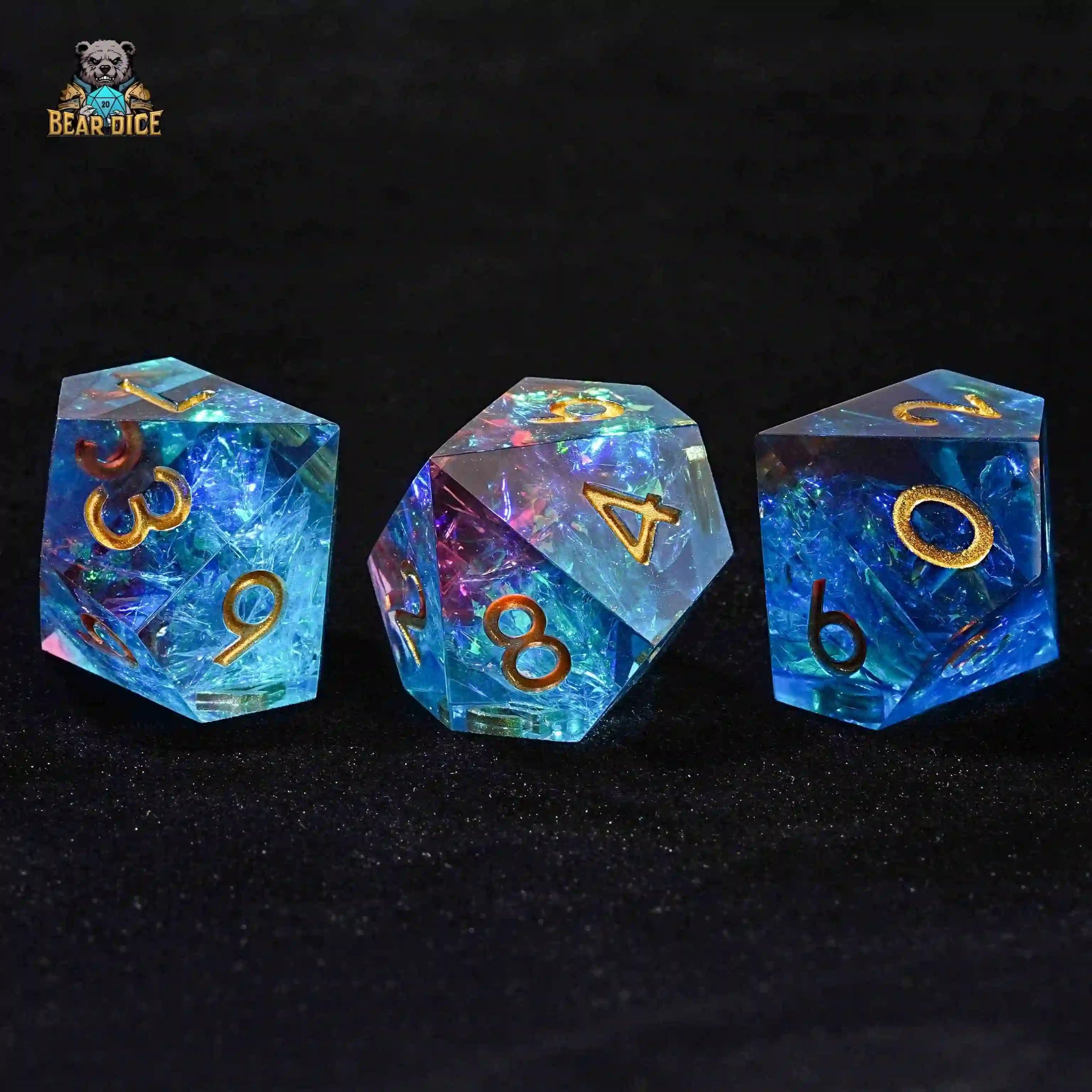
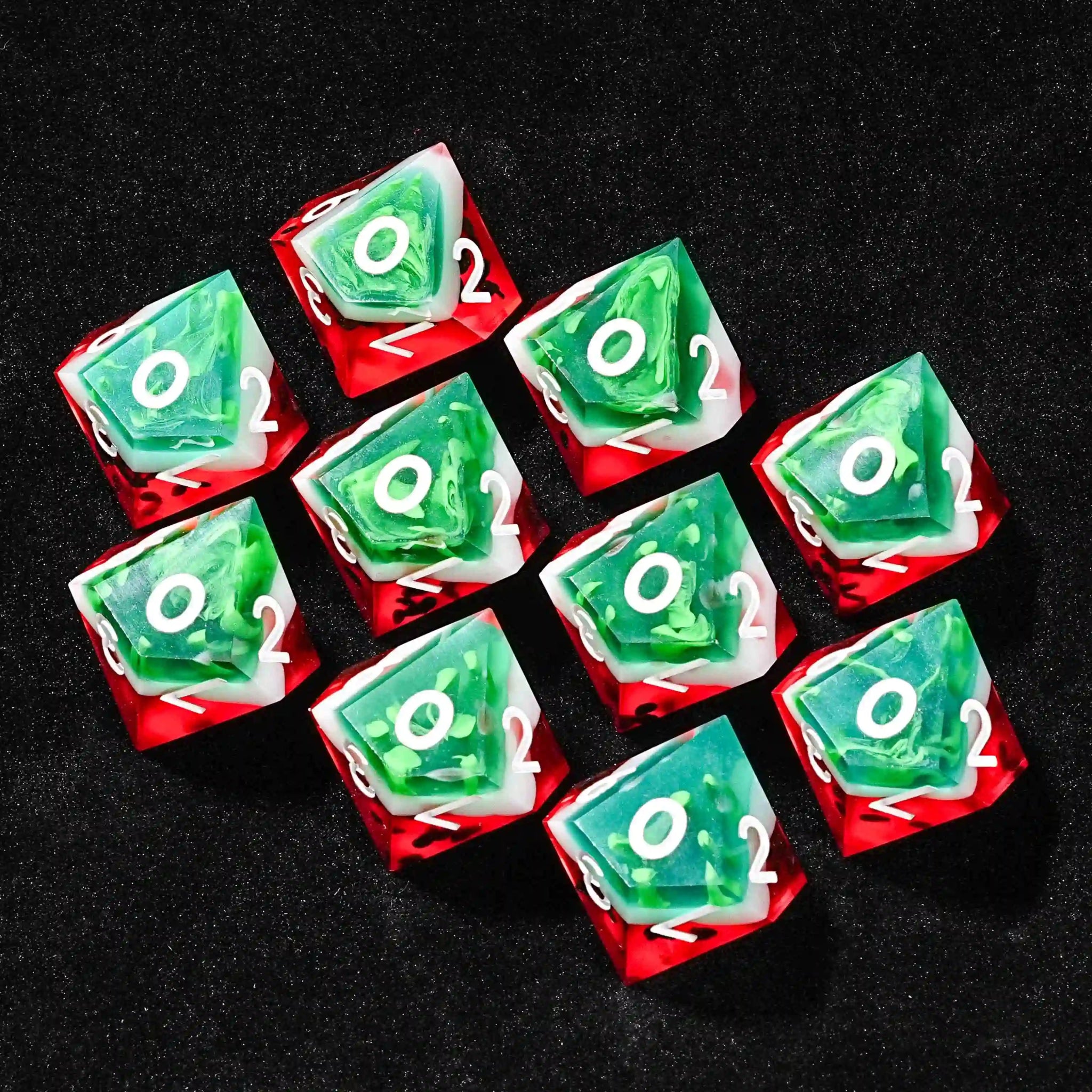
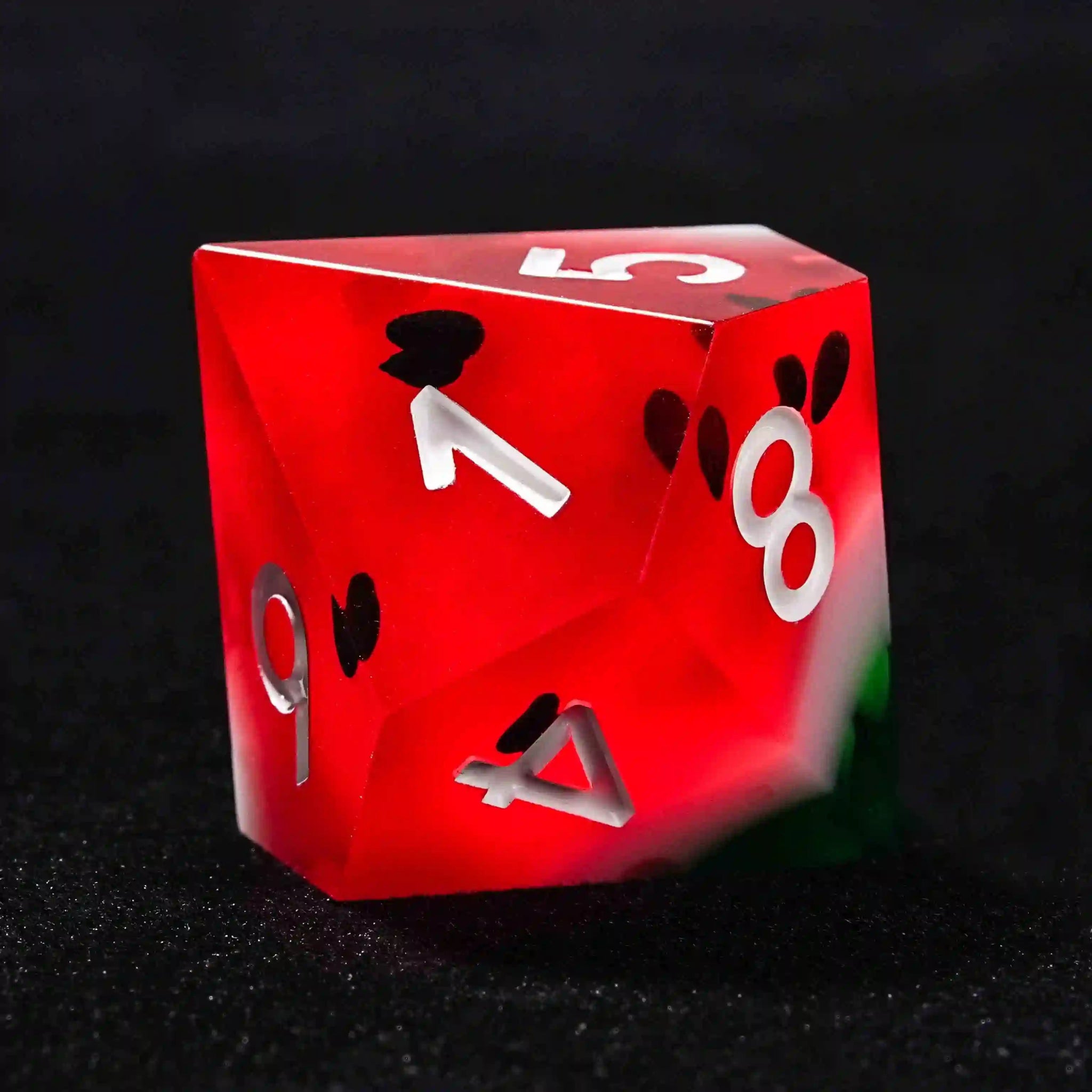
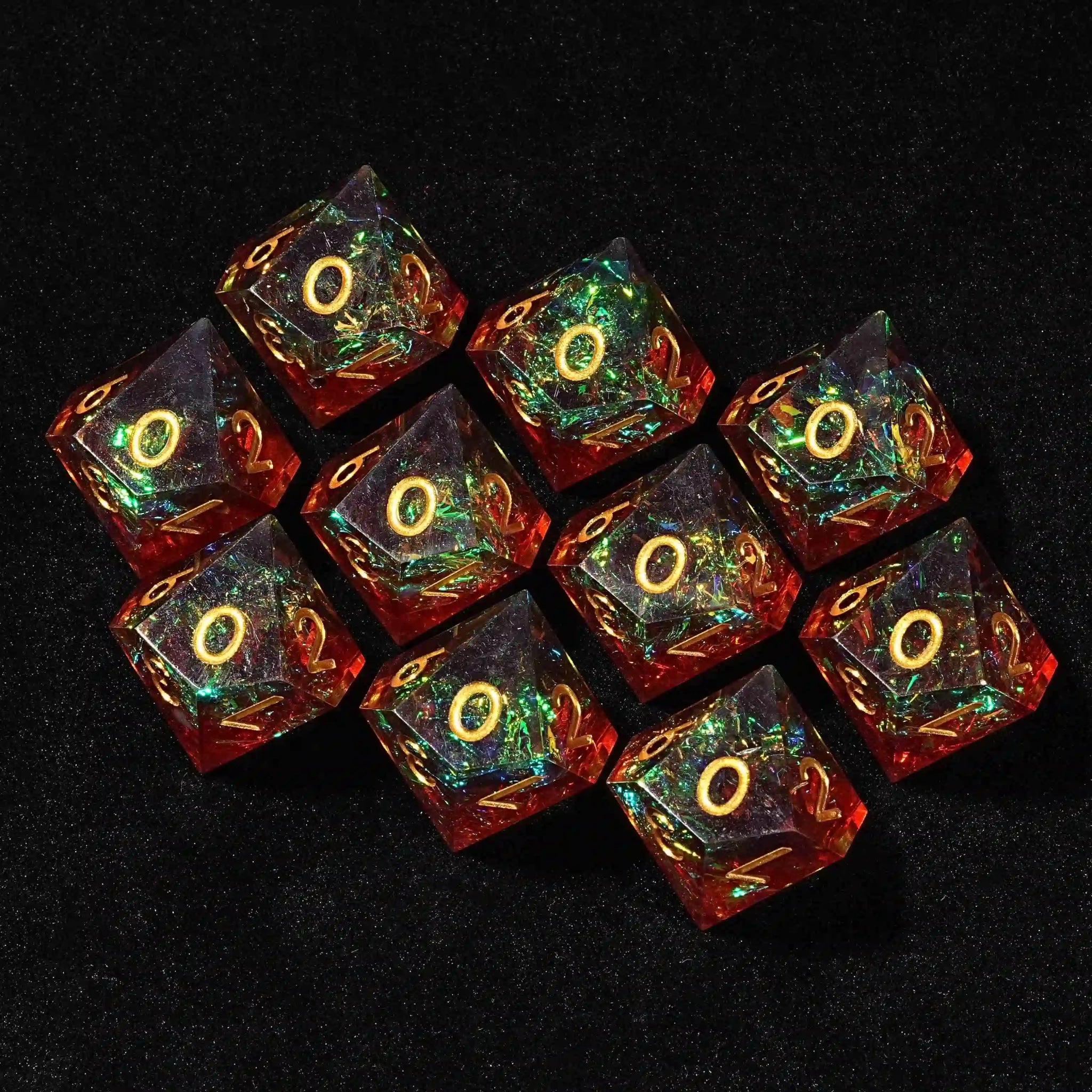
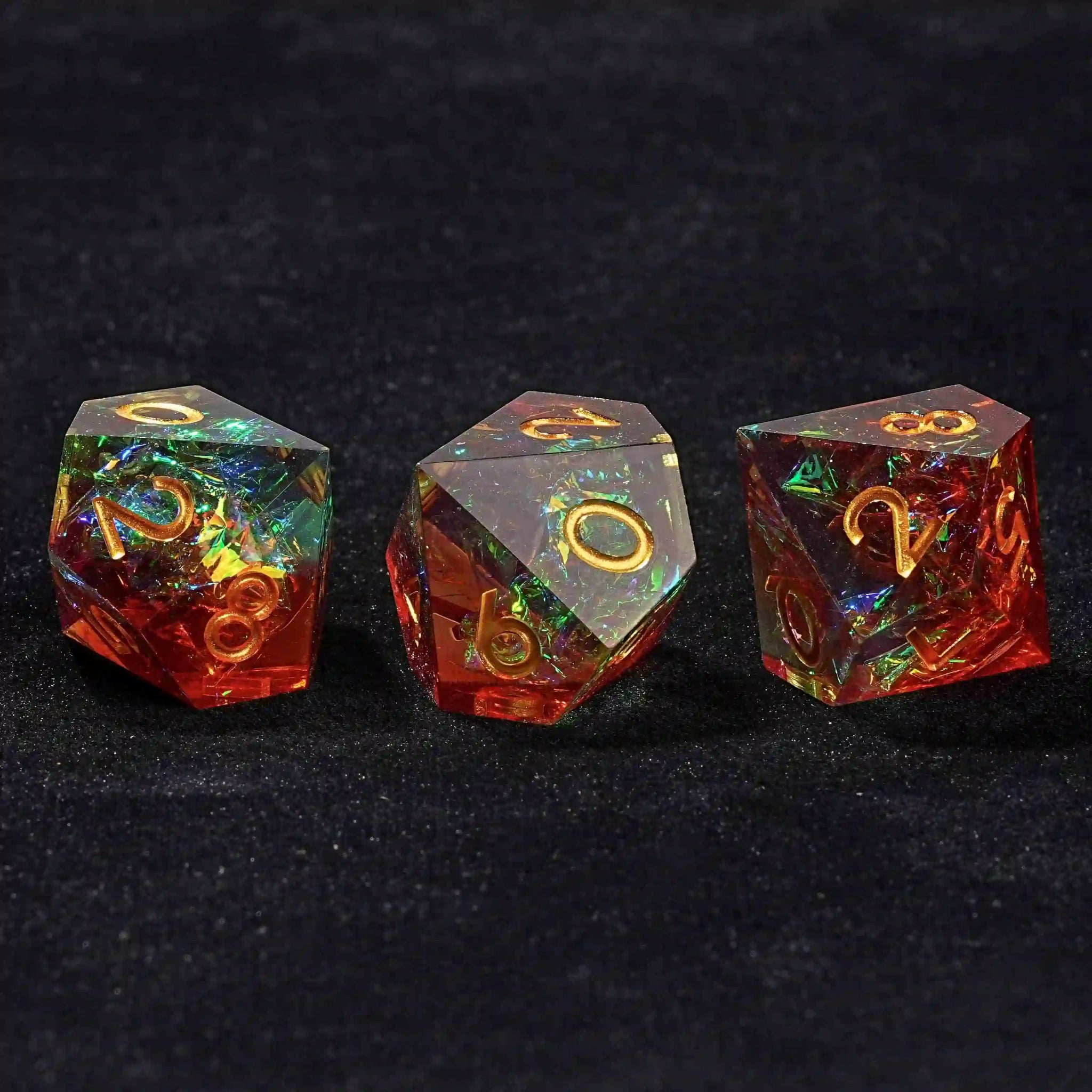
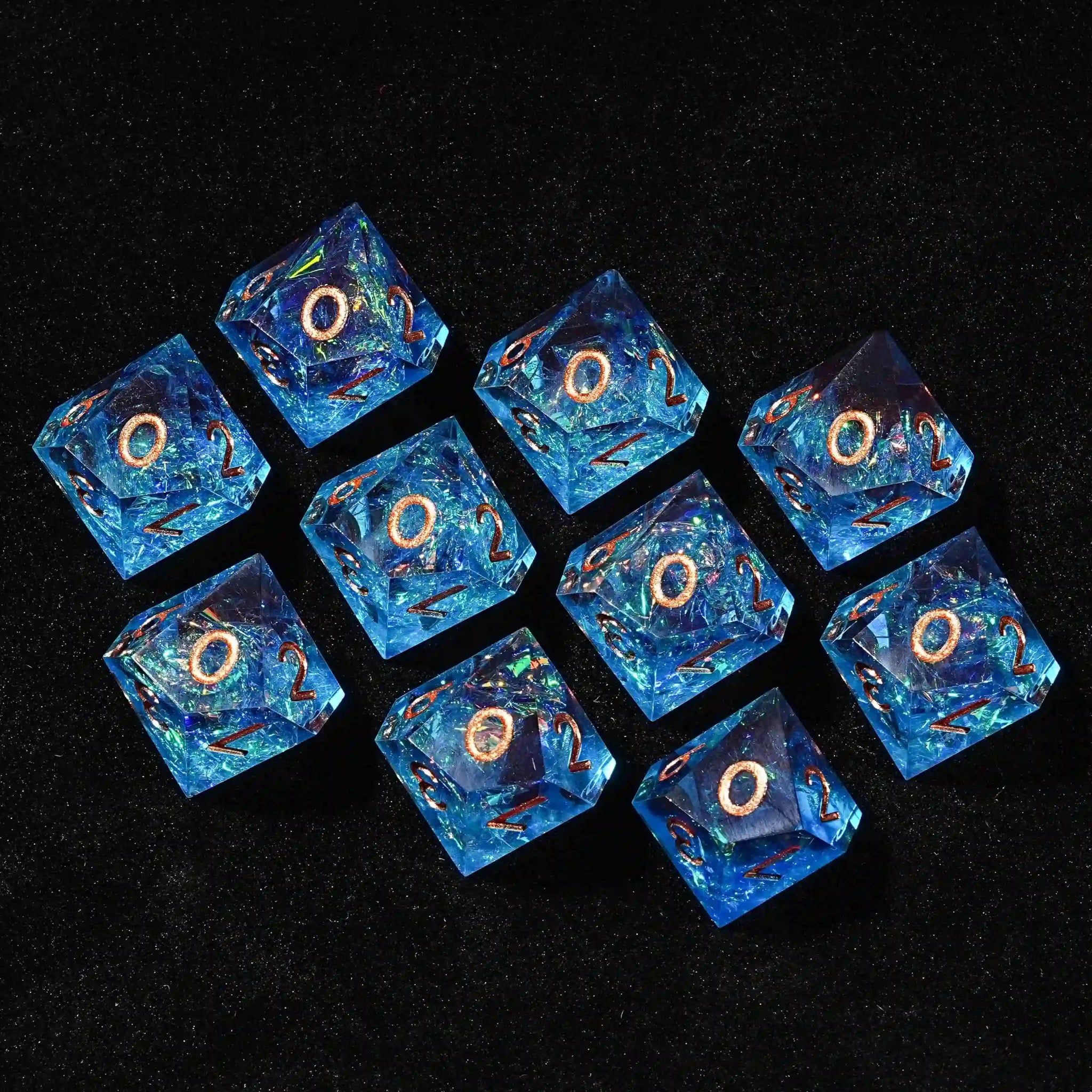
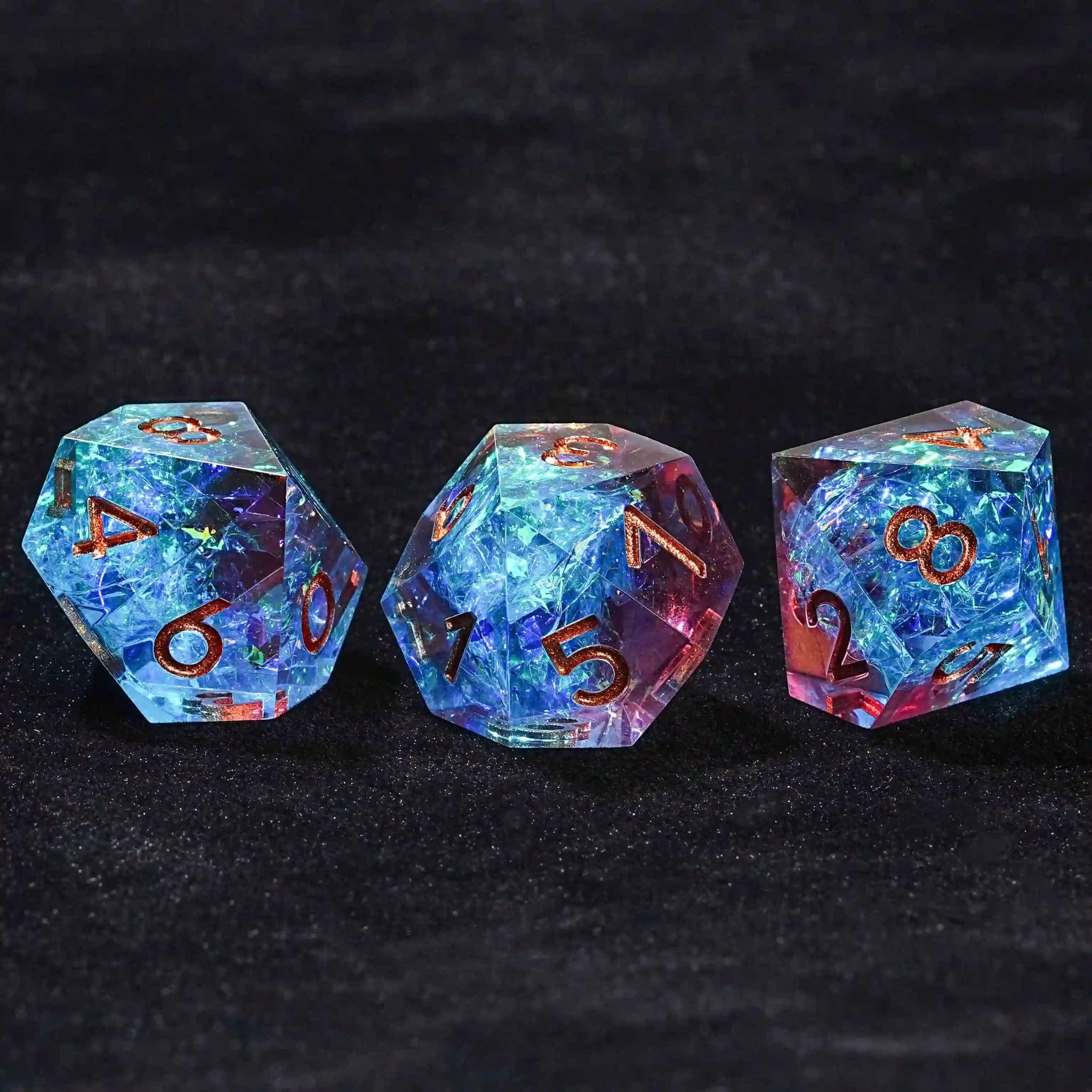
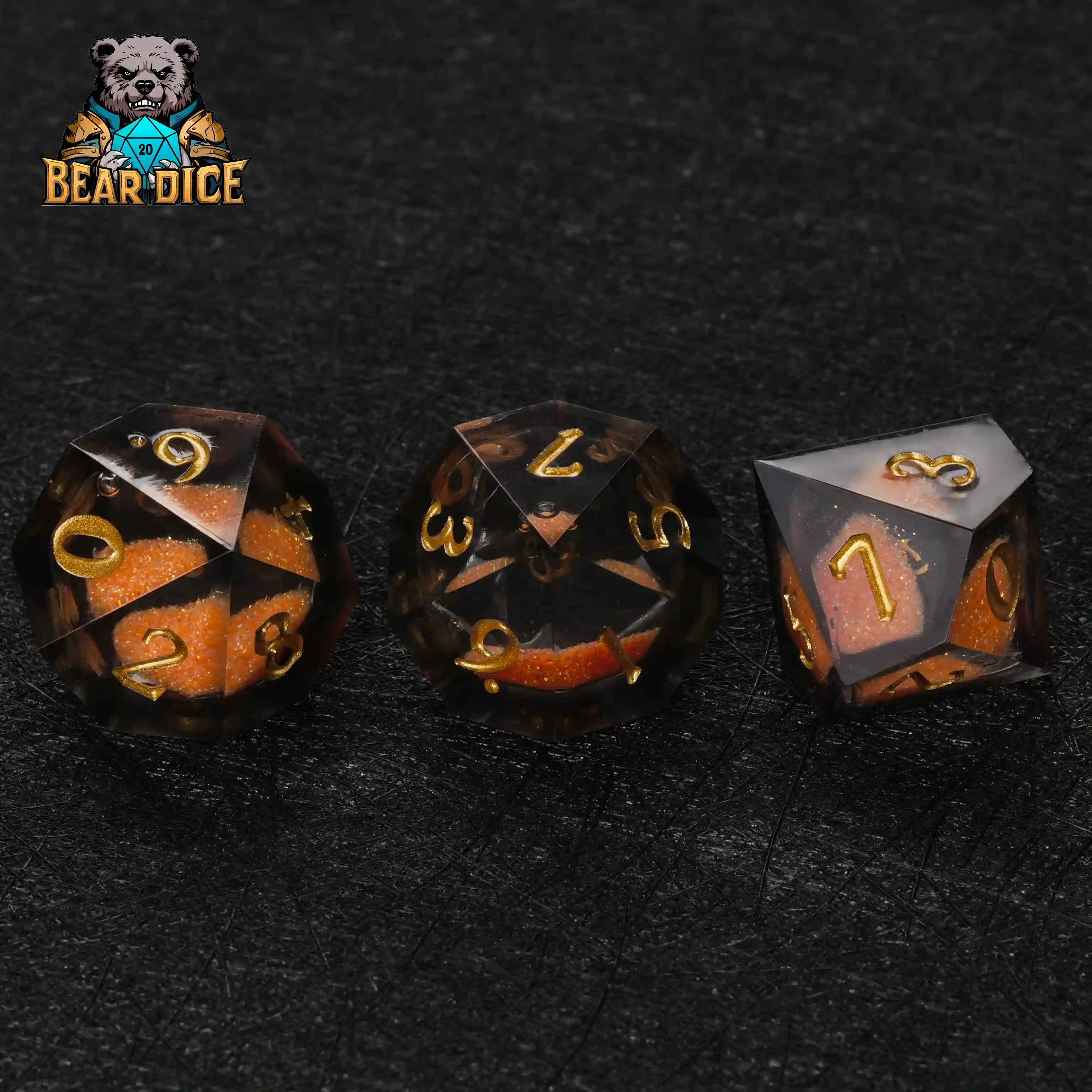
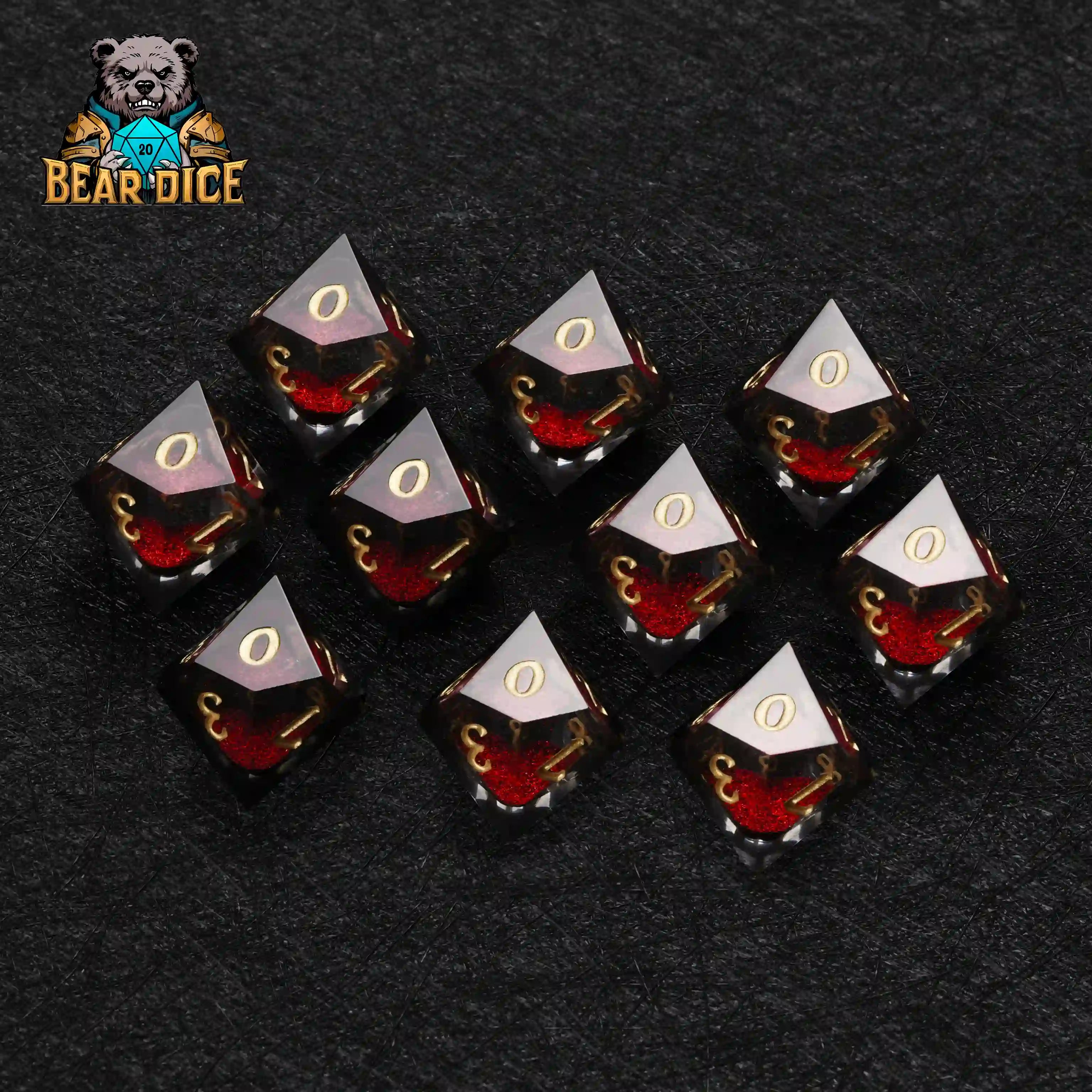
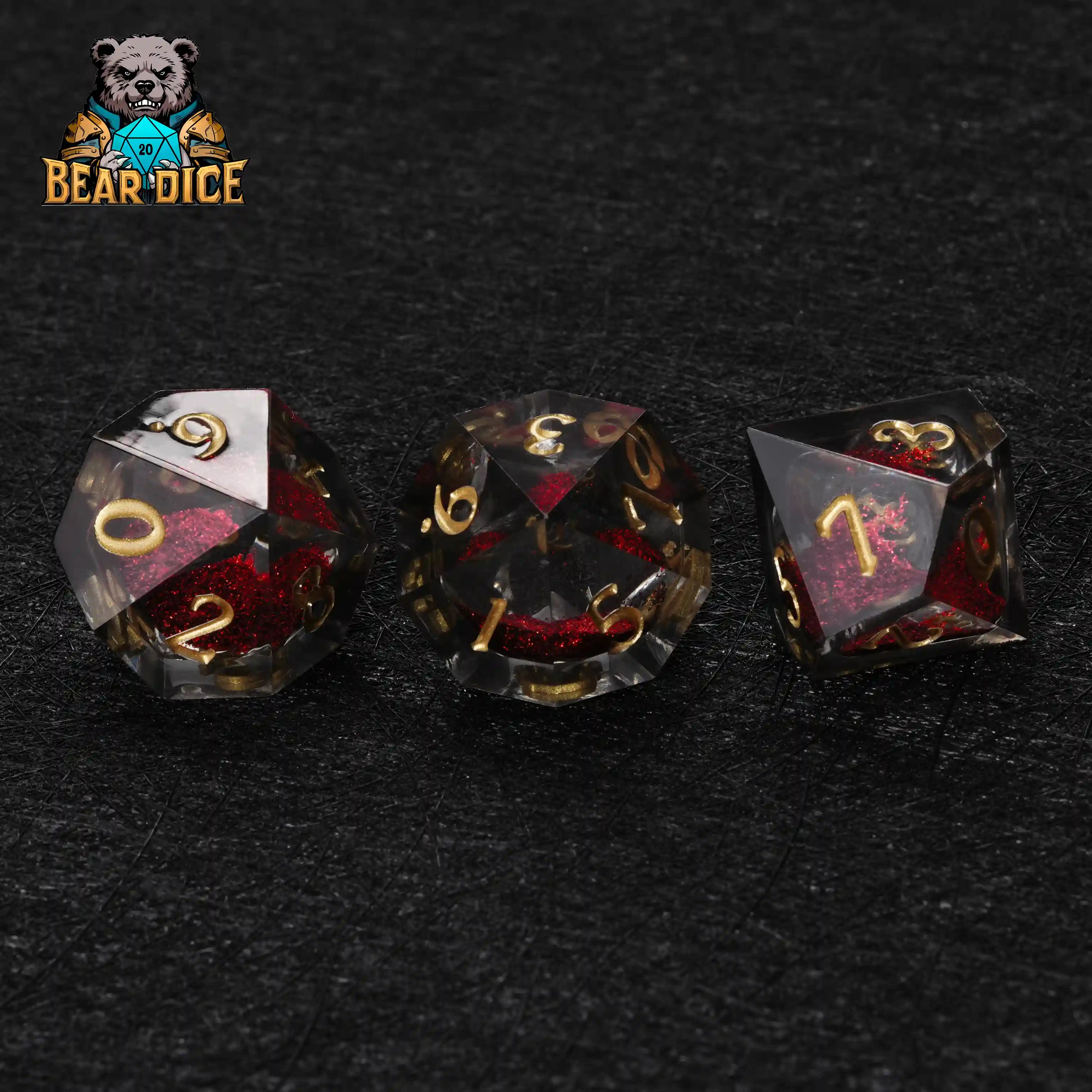
Whether you are running a classic scenario or creating a campaign, mastering the core Call of Cthulhu rules is essential. To make your investigative rolls feel authentic and tense, rolling with a specialized, dark-themed Call of Cthulhu dice set adds the perfect weight to your character's fate.
🎲 Table of Contents
- - 1. Call of Cthulhu Tabletop RPG Setup
- - 2. How to Play CoC: The Core d100 Success System
- - 3. High Stakes: Pushed Rolls & Failed Consequence
- - 4. Bonus and Penalty Dice Rules
- - 5. Sanity Checks & Sanity Loss Thresholds
- - 6. Investigator Creation & Character Sheet Setup
- - 7. Call of Cthulhu RPG Frequently Asked Questions
1. Call of Cthulhu Tabletop RPG Setup
Setting up a session of the Call of Cthulhu roleplaying game requires cooperative storytelling. One player takes on the role of the Keeper of Arcane Lore (the Game Master), who narrates the world, while the other players act as Investigators trying to survive.
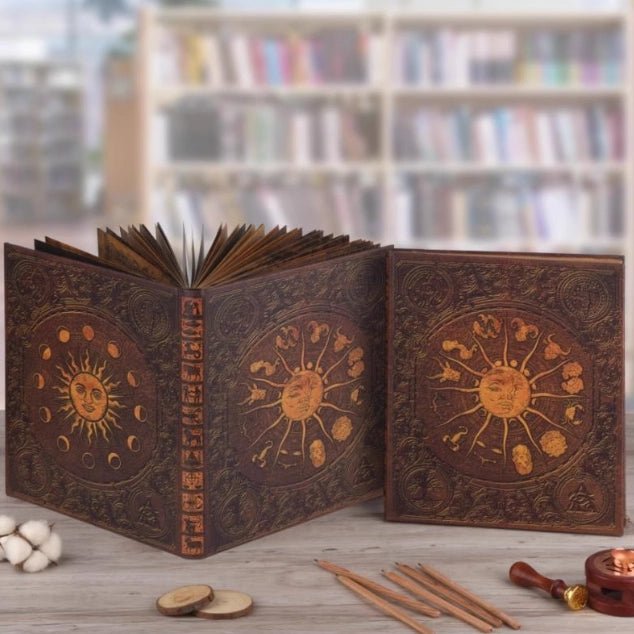
While some players hunt online for the Call of Cthulhu 7th edition rules pdf, having the physical reference materials on your gaming table can greatly enhance the overall immersion of your sessions.
| Required Materials | Details & Recommendations |
|---|---|
| Rulebooks | Chaosium's official Call of Cthulhu Keeper Rulebook (or the Quick-Start Rules/Starter Set) |
| Player Handbooks | The Call of Cthulhu Investigator Handbook (highly recommended for custom occupations and background lore) |
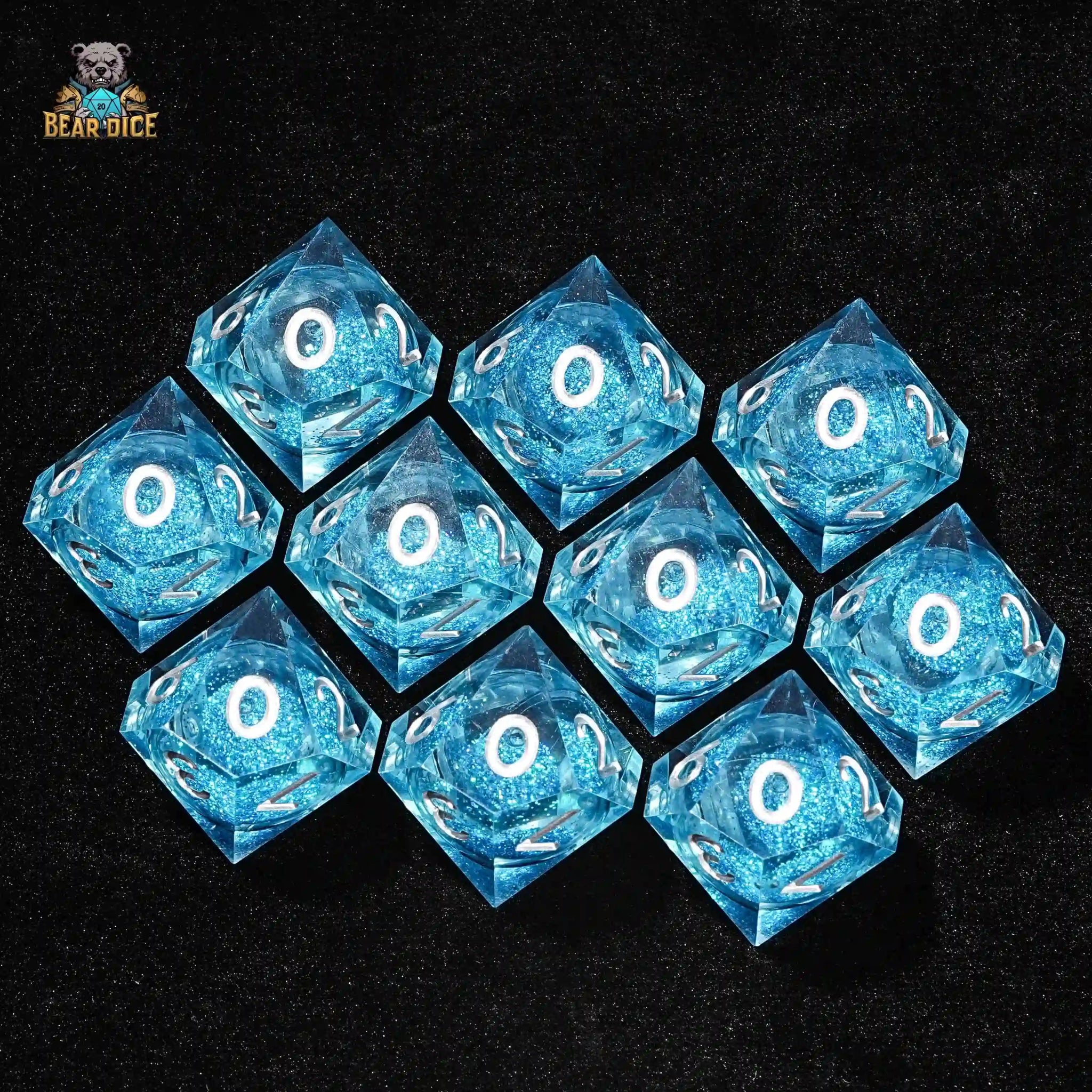
| Core Dice Set | A standard polyhedral dice set featuring a d100 (two d10s) |
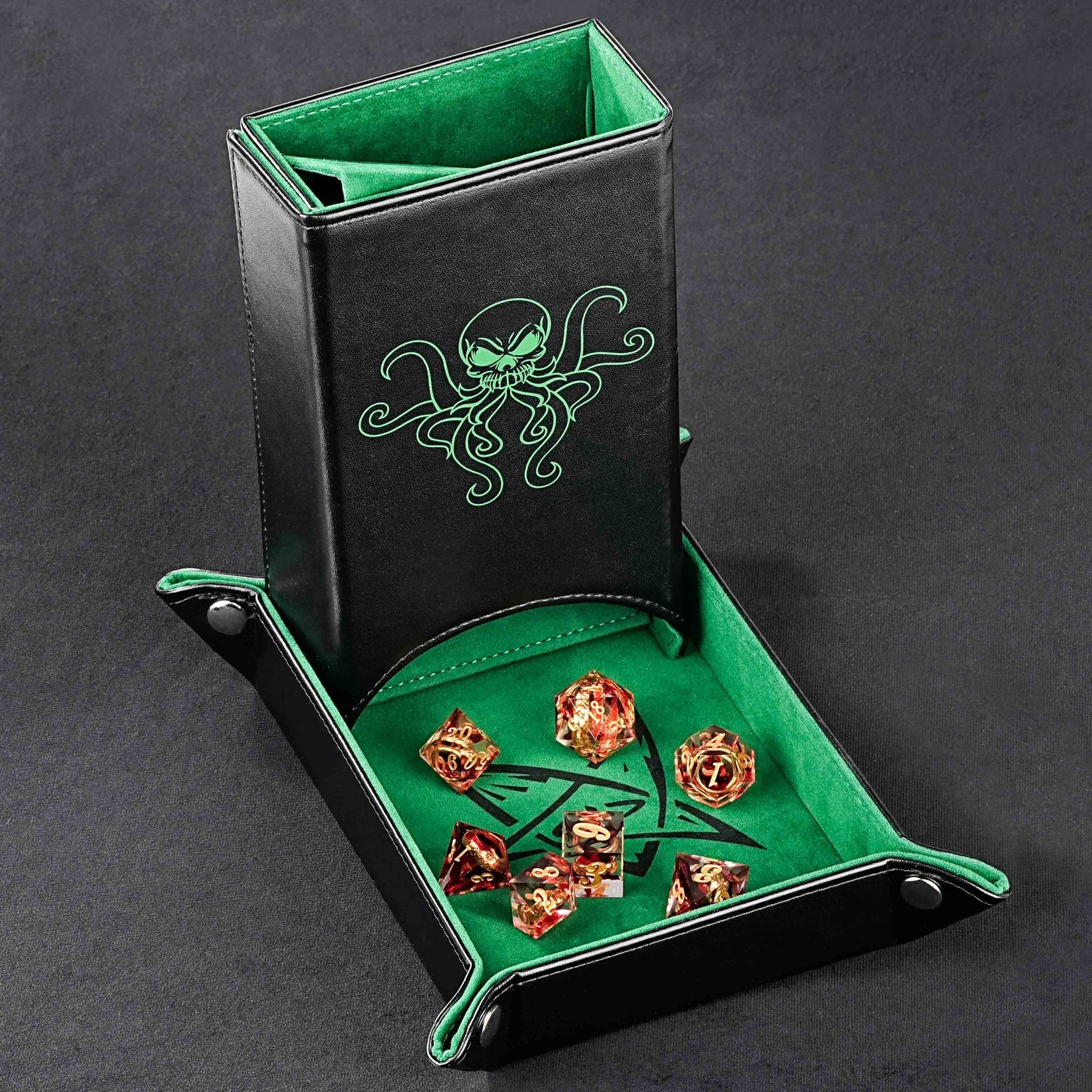
| Accessories | Blank investigator character sheets, pencils, and a padded rolling dice tray |
2. How to Play CoC: The Core d100 Success System

The core gameplay of the Call of Cthulhu 7th Edition rules is designed to be highly intuitive. Whenever your investigator attempts to use a specific skill (such as checking a library index, decoding an old tome, or climbing out of a dark cellar), you resolve it with a percentile d100 roll.
To succeed, your rolled total must be less than or equal to your investigator's skill value.
| Success Level | Condition & Execution |
|---|---|
| Regular Success | Your rolled number is equal to or less than your skill rating. Successful under normal conditions. |
| Hard Success | Your roll is equal to or less than half (1/2) of your skill value. Required for tough obstacles. |
| Extreme Success | Your roll is equal to or less than one-fifth (1/5) of your skill. Required for near-impossible feats. |
Let's look at an example:
Your investigator, Harvey Walters, has a Library Use skill of 60.
- To score a Regular Success, you must roll 60 or lower.
- To score a Hard Success, you must roll 30 or lower (60 divided by 2).
- To score an Extreme Success, you must roll 12 or lower (60 divided by 5).
Enhance Your Mythos Experience
Every sanity check deserves a dice set that matches the looming dread of the unknown. Discover our curated collection of dice sets perfectly themed for your next CoC campaign.
Explore Call of Cthulhu Dice3. High Stakes: Pushed Rolls & Failed Consequences
In Call of Cthulhu 7th Edition, failing a skill check doesn’t have to be the end of the line. If you fail a non-combat, non-sanity roll, you can ask the Keeper to Push the Roll.
Pushing a roll allows you to re-roll your d100, but you must first describe how your character is putting in extra effort, spending more time, or taking a dangerous risk to achieve success.
4. Bonus and Penalty Dice Rules
Environmental factors, intense fear, or tactical positions can alter your rolling conditions. In the 7th Edition rules, the Keeper can grant you Bonus Dice or Penalty Dice rather than adding flat numerical modifiers.
- Bonus Die: Roll your units d10 once, and roll two tens d10 dice. Keep the tens digit that yields the more favorable (lower) overall outcome.
- Penalty Die: Roll your units d10 once, and roll two tens d10 dice. Keep the tens digit that yields the least favorable (higher) overall outcome.
5. Sanity Checks & Sanity Loss Thresholds
Your investigator's mind is just as fragile as their body. Discovering ancient grimoires, dealing with occult anomalies, or seeing terrifying monsters triggers the iconic Sanity Check (SAN Check).

To make a SAN Check, roll a d100 against your current Sanity score. If you roll over, you fail and lose a larger portion of sanity. This can lead to two main states of madness:
- Temporary Insanity: Triggered if you lose 5 or more Sanity points in a single roll, and fail an Intelligence (INT) check. Your mind cracks under the sudden shock, leaving you incapacitated or delusional for 1d10 rounds (in combat) or hours (out of combat).
- Indefinite Insanity: Triggered if you lose one-fifth (1/5) of your total Sanity points in a single in-game day. This is a severe, long-term breakdown requiring institutional care or prolonged rest to overcome.
6. Investigator Creation & Character Sheet Setup
Creating your investigator is a deeply personal part of the Call of Cthulhu tabletop RPG experience. During character creation, you will define your investigator's characteristics by throwing dice or allocating points.
- Core Attributes: Roll 3d6 (multiplied by 5) for attributes like Strength (STR), Constitution (CON), Dexterity (DEX), and Power (POW). Other attributes like Intelligence (INT) and Education (EDU) are rolled with 2d6+6 (multiplied by 5).
- Occupations & Skills: Choose a fitting career (such as a Private Investigator, Antiquarian, or Journalist) from the Investigator Handbook to determine your professional skill points and specialized Call of Cthulhu skills.
- Fill Out the Character Sheet: Calculate your derived values, including Hit Points (HP), Sanity (SAN), and Magic Points (MP), and list your starting equipment on your Call of Cthulhu character sheet.
7. Call of Cthulhu RPG Frequently Asked Questions
Q: What is the most important die to have for Call of Cthulhu?
A: The d100 (two ten-sided dice) is by far the most important, as it resolves all skill checks, sanity tests, and combat maneuvers in the game.
Q: Can investigators fight monsters in the CoC RPG?
A: While combat is possible, it is rarely the recommended path. Most mythos entities are invulnerable to mundane weapons, meaning solving mysteries and fleeing are your best survival strategies.
Q: What other polyhedral dice are used during gameplay?
A: You will regularly use d4, d6, and d8 dice to calculate damage for firearms or melee weapons, and d20 dice are sometimes used for specific sanity and environmental charts.
Arm Your Investigators with Exquisite Dice
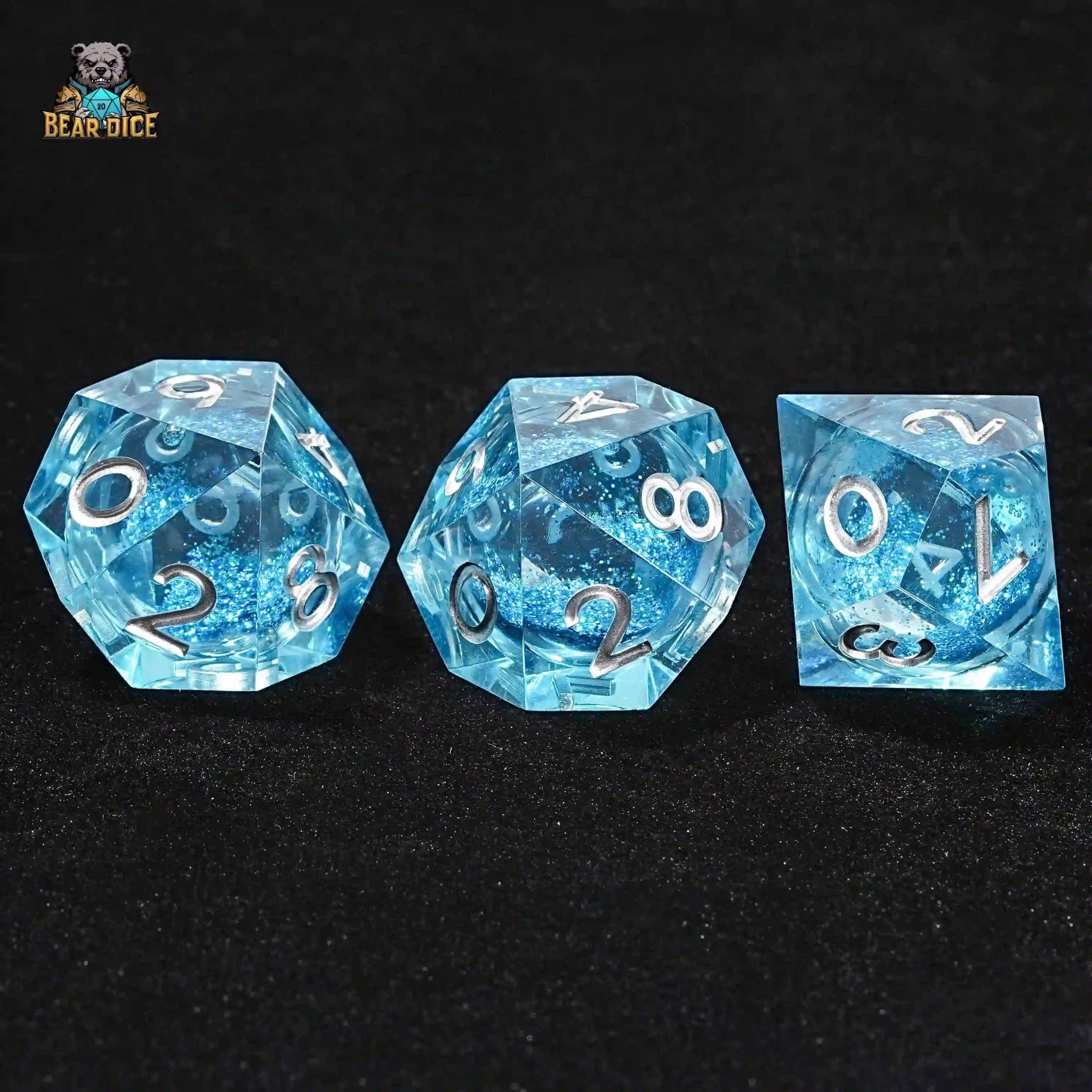
When sanity is on the line and a single roll of the d100 determines your survival, don't leave your fate to ordinary rollers. Explore Bear Dice’s premium collections of solid metal d10s, sharp-edge resin sets, and custom-crafted dice designed to withstand the ancient horrors of your next campaign.
Shop Call of Cthulhu Dice Sets